
Comparing a terrible film, a good film and a great book
Pearl Harbor is a terrible movie. But you can’t really appreciate how terrible it is until you compare it with From Here to Eternity, a far superior film about the same event, the Pearl Harbor attack in December 1941. The comparison is even starker when you look at the novel on which From Here to Eternity is based, a book so hard-hitting it faced boycotts and was called ‘the most controversial novel of our time.’
Superficially the two films are similar: we follow a cast of characters through military life in Hawaii before the war, then at the end the infamous bombing takes place.
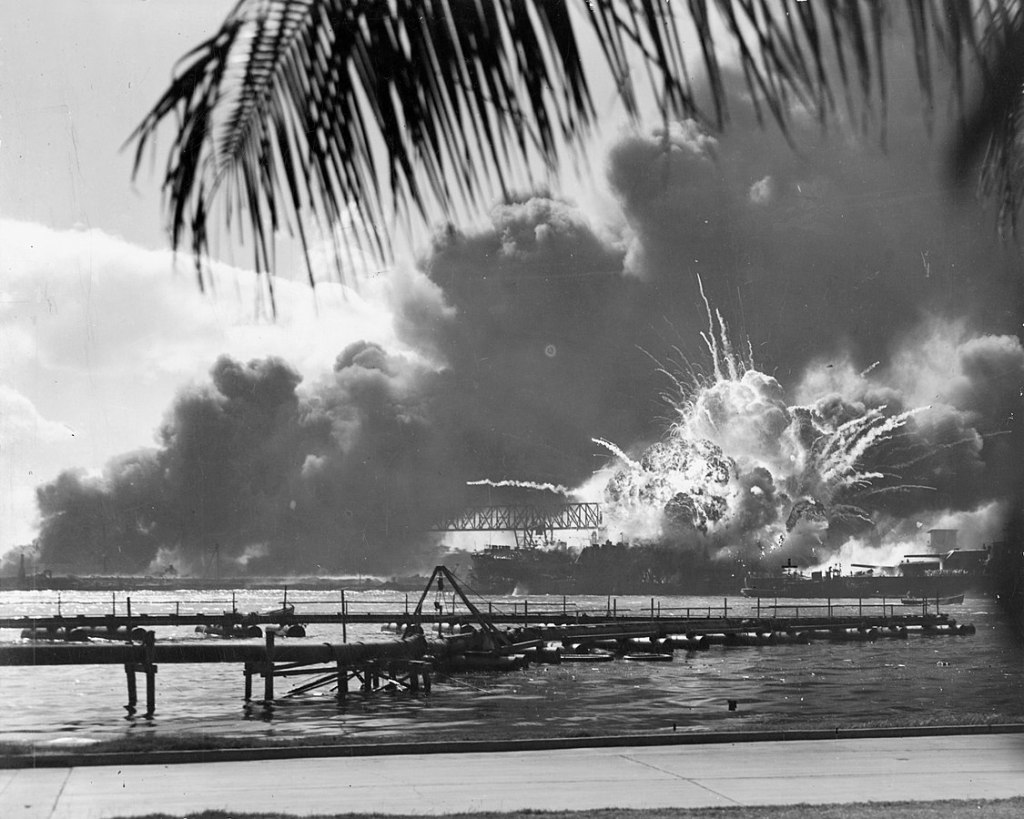
But Pearl Harbour is about air force officers and nurses while From Here to Eternity is about rank-and-file army grunts and sex workers. Pearl Harbor bows with utmost reverence before the altar of the US military. From Here to Eternity portrays a toxic and oppressive institution.
From Here to Eternity is about two privates, Prewitt and Maggio, who revolt against military life. Officers are ‘jackasses’: Captain Holmes tries to force Prewitt to box, against his will, just to enhance the prestige of the company. Prewitt refuses, and Holmes begins a brutal campaign of reprisal and coercion against him. Meanwhile Holmes’ wife Karen starts an affair with Sergeant Warden, the tough NCO who really runs the company while Holmes is busy sucking up to the top brass.
As an aside, Maggio was played by Frank Sinatra – rumour has it that this casting decision was influenced by the sudden appearance of the severed head of a horse in a film producer’s bed. Which inspired, yes, that scene from The Godfather.

As for Pearl Harbor, the scenes depicting the actual bombing will stick in your mind – they’re made with a huge budget and modern special effects. Superficially it appears more attractive – it’s in colour while From Here to Eternity is black-and-white.

But Pearl Harbor is overall forgettable. We don’t care much about the characters, so the battle is just an empty spectacle. The world the characters live in is so bland. There are no bad officers – no, sir, absolutely not, sir. In From Here to Eternity Prew and Maggio sneak out of barracks, loiter in Honolulu and skirmish with the Military Police. They get locked up in the stockade where prisoners are tortured, sometimes to death. But all of the rough grain of military life has been sanded smooth in Pearl Harbor’s shiny version of the US military. You could eat your dinner off Pearl Harbor.
The cast of Pearl Harbor and that of From Here to Eternity supposedly live in the same place at the same time. But it’s honestly difficult to imagine, say, Prew and Alma running into the nurses and pilots of Pearl Harbor on the streets of Honolulu. What would they make of each other? How would they interact? It would be uncanny, like an encounter between humans and robots, or between alien species. Their brains would short-circuit.
A lot of people complain about the historical inaccuracies in Pearl Harbor. But I don’t really care if they used the wrong sub-type of aircraft carrier in that one scene. My complaints run a lot deeper. For example, I hate the scenes where real historical figures appear – the scenes depicting American leaders like Roosevelt are pious and reverent and utterly lifeless, while those depicting the Japanese are unnecessary and portentous.
But the very worst part of the film is the last half-hour. After the bombing of Pearl Harbour, our heroes fly off to carry out a revenge bombing on Japan. This part feels crudely bolted-on, a real drag on the movie. You’re sitting there like, ‘The credits should have rolled twenty minutes ago.’ It’s also cruel and petty. We’re supposed to root for these bomber pilots, when they’re flying off to blow up some innocent Japanese factory workers. The filmmakers couldn’t let it be; they felt that after showing us the Pearl Harbour attacks, they had to end the film on a note of righteous US violence, and they even tacked on a narrator to explain it to us.
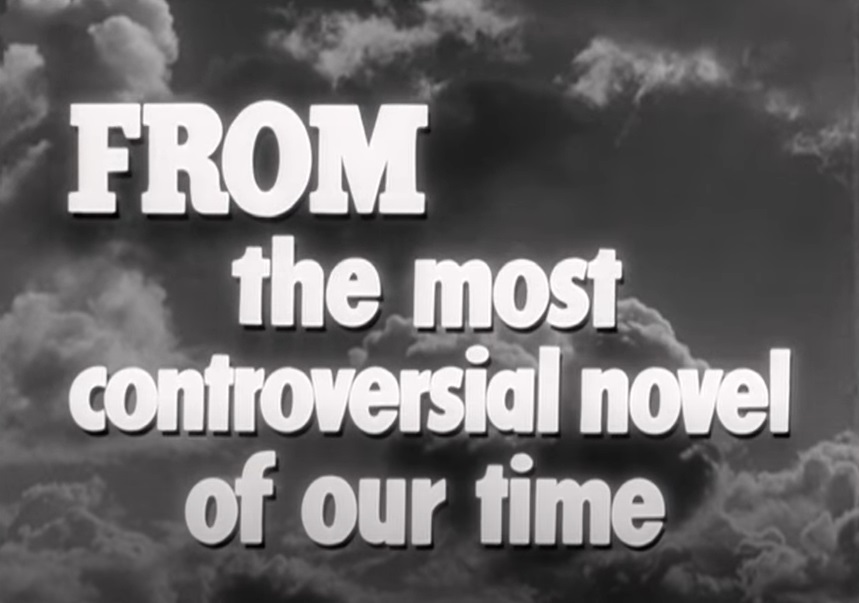
But I have not yet mentioned the brilliant 1951 novel that From Here to Eternity is based on. There is a wide gap between James Jones’ novel and its film adaptation. (Spoiler Alert) In the film the tyrannical Captain Holmes gets demoted as a punishment for his misdeeds and replaced with a fine upstanding officer. In the original novel, however, Captain Holmes is promoted – rewarded by the top brass, not punished – and his replacement is a coward and an idiot.
From Here to Eternity – novel and film
This is emblematic of the differences between book and movie. In the book, the company and the regiment come alive with memorable characters. Jack Malloy is a semi-legendary soldier who used to be in the Industrial Workers of the World (IWW). A self-educated philosopher, he is always in and out of the stockade for his mutinous behaviour. Prewitt admires him, and Maggio becomes his disciple.
The film also leaves out the book’s foray into Hawaii’s gay scene, and the strange friendship that develops between Prew and Maggio on the one hand and two gay men on the other. Unfortunately the author ultimately seems to endorse some homophobic and victim-blaming points of view at one point. These are blunders made in the context of a sincere attempt to engage with a theme that was at that time shrouded in deathly silence. Maggio is an eccentric, stubborn, tough character, ultimately a kind of tragic hero. He also has sex with men for money – a fact that challenges conventional expectations.
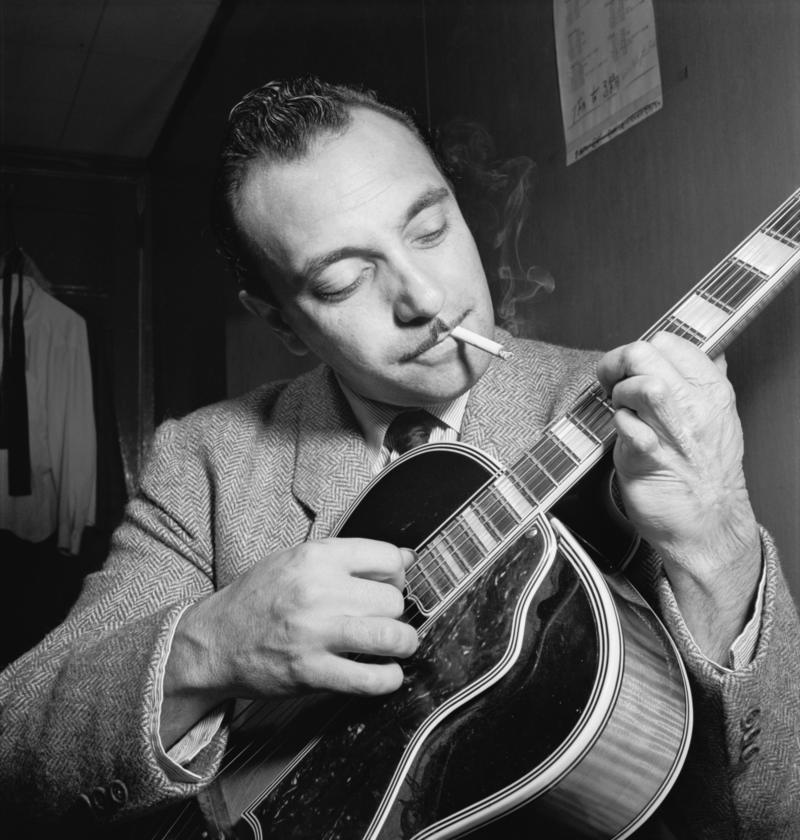
The epic sweep of the novel deals with dark stuff like suicide, STIs and sexual assault. It also depicts love, friendship, courage and creativity; a minor character introduces Prew to the songs of Django Reinhardt and to folk music, so Prew and his friends write a song called ‘Re-enlistment Blues.’ Prew applies himself with intensity to this project; it’s about communicating his experience as a working-class army private, and exploring the social and economic forces that drive him back time and time again into the military life he hates but can’t escape.
Censorship
Jones was forced to cut some passages from the novel – for example, the ones that make it explicit what Maggio’s practise of ‘rolling queers’ actually involves. He protested to his editor that ‘the things we change in this book for propriety’s sake will in five years, or 10 years, come in someone else’s book anyway… and we will wonder why we thought we couldn’t do it.’ He was right.
But even in the censored form in which it was published, and again even in the de-fanged form in which it was adapted by Hollywood, From Here to Eternity is so much more bold and interesting than Pearl Harbor.
And here’s the thing – the US military was involved with the production of From Here to Eternity and did have a say in its script. You can see the grubby military fingerprints in some of the above changes. To this day, the studios make big savings by securing equipment and locations from the US military. In return, the Pentagon has final say on the script. In this way the Pentagon exercises essential censorship over any war movie made in the United States. From Here to Eternity made this deal with the devil, and so (obviously) did Pearl Harbor.
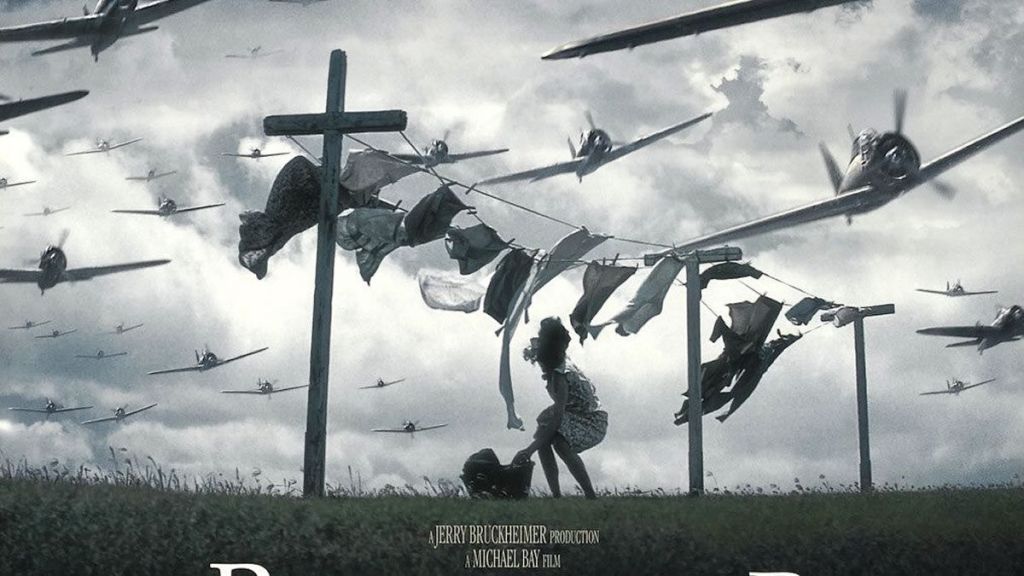
But the military censors seem to have been less aggressive seventy years ago! It’s striking that even in 1953, in an atmosphere still reeking of McCarthyism, Hollywood was able to make a movie that was critical of the US military. In the year 2001 the best the US film industry could cough up was Pearl Harbor, a story that not only portrays the US military as spotless, but celebrates the bombing of civilians. And even at that, they still didn’t get the right aircraft carrier.
 The 1919 Review