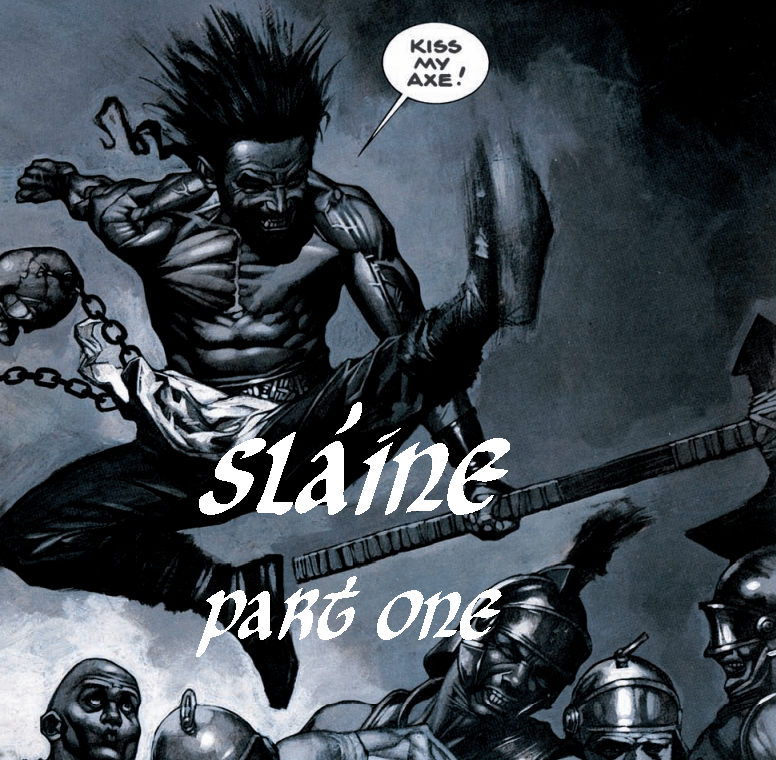
Sláine: Part One

Over the first year of Covid I went through the back catalogue of 2000AD’s Sláine, for the most part reading the digital graphic novels on my tablet. At first I dipped in out of curiosity, but found myself enjoying it so much that I read fifteen titles cover to cover.

And I did not think it too many.

This is the first part of a three-part commentary tracing the high points and low points of the comic over the forty years of its existence. I will comment on each title in the series. The high points are magnificent and the lows are pretty shocking. My opinions will not be popular.

Sláine. I’d imagine most British people pronounce it as ‘Slain’ and, you know what, that’s fine. But it’s Slaw-nyah. However you say his name, he’s a character in the British comic 2000AD. He is a warrior with an axe who roams around Celtic Europe, leaping, shouting and chopping up bad guys. Roughly once per graphic novel, when chopping and shouting does not suffice, the raw power of the Earth goddess surges through him in a raging ‘warp-spasm,’ and he transforms into a grotesque and unstoppable beast.
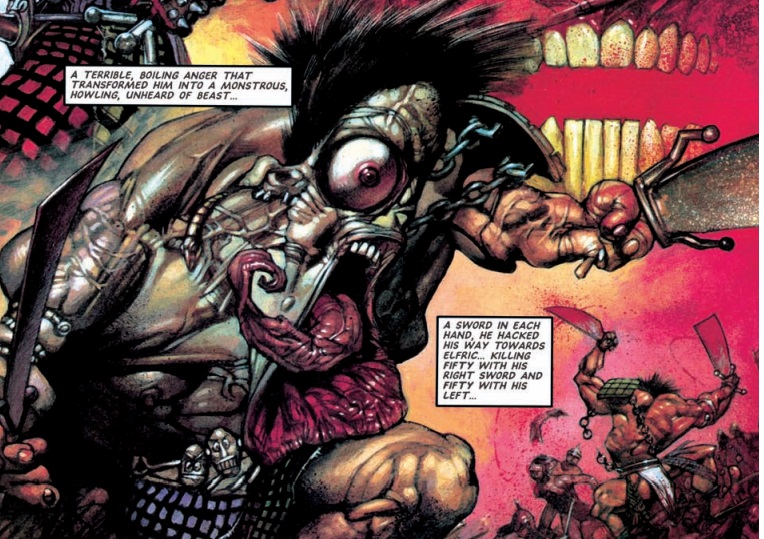
From Demon Killer, written by Pat Mills, art by Glenn Fabry, Greg Staples, Dermot Power

But (at its best) there’s a lot more to it than that. Sláine is not a Viking or a Spartan or a medieval knight; he is a Celtic warrior, and that means he doesn’t fit neatly into the macho mould you might expect. He’s difficult to pin down and he’s got a lot going on. The two sides of Sláine are captured in The Horned God, when in a flash-forward Sláine’s chroniclers debate his legacy:

Ukko: Nah… Readers aren’t interested in all that fancy stuff. What they want is plenty of hacking and slaying.

Mor Runne the Dung Collector: Yurrr… I like hacking and slaying.

Nest: But there’s always been more to Sláine than just some muscle-bound barbarian. It’s an attempt to redefine the hero. To convey the matriarchal origin of myth.

Ukko: Take a tip from an old hack, dear, and stick to Sláine chopping off brainballs!

Mor Runne the Dung Collector: Yurr! I don’t like the comp… comp… complicated bits. I only like it when he’s killing people.

There are plenty of violent battles in Sláine – with Fomorians, Skull-Swords, Trojans and all kinds of demons and monsters. But the battle between a basic barbarian action hero and a deep, obscure Celtic soul is the most interesting of all. Over the next three posts I will examine this struggle. Part 1 will look at the first twenty years or so, Part 2 will take a deep look at one particular graphic novel, and Part 3 will deal with the latter half of Sláine’s career (including the really controversial bits).

1: Warrior’s Dawn
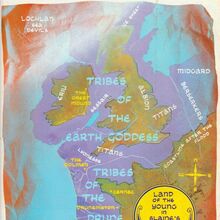
Map of the Land of the young, from Albion British Comics Database

The early stories from the 80s are collected in the graphic novel Warrior’s Dawn.

Sláine is a wandering exile in a mythical Celtic Europe called the Land of the Young – so named because few live to grow old. It’s a place as chaotic and fun as 2000AD’s Mega-City One. Flying ships powered by standing-stones ply the skyways. Dark magic corrupts the fields and forests into sourland, where prehistoric and inter-dimensional monsters roam. A stinking corpse named Slough Feg is the leader of a death-cult which burns captives in tribute to the maggot god. Sláine seeks to return to his own people, the Tribes of the Earth Goddess, a strange but relatively wholesome crowd whom Slough Feg seeks to conquer.

Writer Pat Mills does his homework when it comes to the Celts; many elements of this setting are derived from real history or myth. Not just Cuchulain’s riastradh, or warp-spasm. Whenever Sláine kills some great number of people and boasts that he ‘did not think it too many,’ he is quoting from the stories of the Fianna cycle. Part 2 will give further examples.

Sláine is not a boy scout. He is governed by obscure drives, sometimes dark or shallow, sometimes profound and selfless. His enemies – the Guledig, Slough Feg – are those who despise human pleasure, and the natural and material world which Sláine champions. He succeeds not through domination and destruction, but through submitting to the sublime chaos of the pagan world.

Sláine’s anti-authoritarian tendencies are not founded on ‘noble savage’ tropes or ‘don’t tread on me’ hypocrisy, but in an egalitarian, feminist and ecological spirit. Later in The Horned God we see that among the tribes of the Earth Goddess, marriages last for one year. The land is shared out equally and some set aside for the old and the sick. Kings (Sláine included) are sacrificed after a seven-year term so that they don’t get too big for their boots. Empires are seen as barbaric. Sláine makes no pretense that it is historical, but this depiction of Celtic society has plenty of foundation in the sources.

It is a myth of its own time. The Celts dress like punks (in later numbers more like metalheads). Ukko the dwarfish thief hates the egalitarian ways of the Celts, which he criticises in distinctly Thatcherite terms. Keep in mind that it’s the late ’80s, early ’90s, and the main bad guys, the Fomorians, are ruthless, callous tax collectors; we are duly informed that they live in a place called Tory Island (a real island off the coast of Donegal where, yes, the Fomorians of myth had their base). The hunger strike is portrayed as a venerable and ancient custom – just a few years after the 1981 hunger strikes in Ireland.

A lot of the above comes later, especially in The Horned God. But even in early Sláine, not a single episode goes by without some cool element of Irish, Welsh or Gallic myth figuring into the story somehow or other.

I like Sláine because (again with the qualifier, ‘at its best’) it chimes with what Michael Moorcock wrote about the great novels of Henry Treece. It is able

to capture the sense of raw passion of adult men and women who are not always mystically inclined yet dwell in a world of mysticism… [magic] is as much a part of life as the wild landscapes… as the stones and hills, the forests and the seas, the fortified townships and isolated villages dwarfed by the great grey skies.

Sláine is at its strongest when character and setting have room to breathe. It is at its weakest when it becomes simply a story of a man chopping up a succession of ugly monsters.
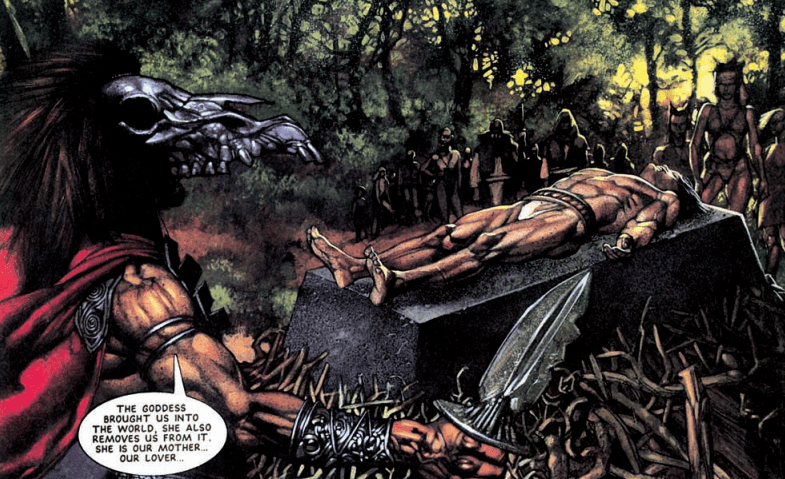
His time as king of his people is up, so he must be killed. From Demon Killer, written by Pat Mills, art by Glenn Fabry, Greg Staples, Dermot Power

2 and 3: Time Killer and The King

The stories collected in the second and third graphic novels (Time Killer and The King) see Sláine journey home and become the leader of his people, but for a while the reader is taken away on a bizarre detour. Sláine encounters the Cyth, inter-dimensional aliens who secretly control the destiny of humanity… and there’s a temple, a temple of terror or something… *yawns* … where was I? To cut a very long and jarringly episodic story short, Sláine travels through alternate dimensions, encounters strange aliens and trades his axe for a leyser gun. Yes, leyser. Like ley-lines. Get it?

It probably responded to some editorial and/or commercial need at the time, but I found the detour tiresome, a grind with no connection to the character or the setting I had become invested in.

No doubt some are reading this post to find out what are the best Sláine comics, which to start with, which ones not to bother with, etc. They might ask, ‘Should I just skip Two and Three?’

Ah, I must warn against it. The people on the business end of 2000AD have gerrymandered the graphic novels in a fiendish way. The sci-fi stuff is split fifty-fifty between the second half of Two and the first half of Three. If you pass on Two, you miss, among other great episodes, Sláine’s time-travelling intervention at the Battle of Clontarf. If you pass on Three, you miss out on Sláine’s return to the Tribes of the Earth Goddess, the story of how he becomes king of his tribe and of the first battles with the Fomorian sea demons. So the publishers have us in a bind.

Edit: see here for a very different (perhaps fairer) take on Tomb of Terror:

https://slaineranked.blogspot.com/2024/08/slaine-ranked-part-11-you-wont-find.html?m=1
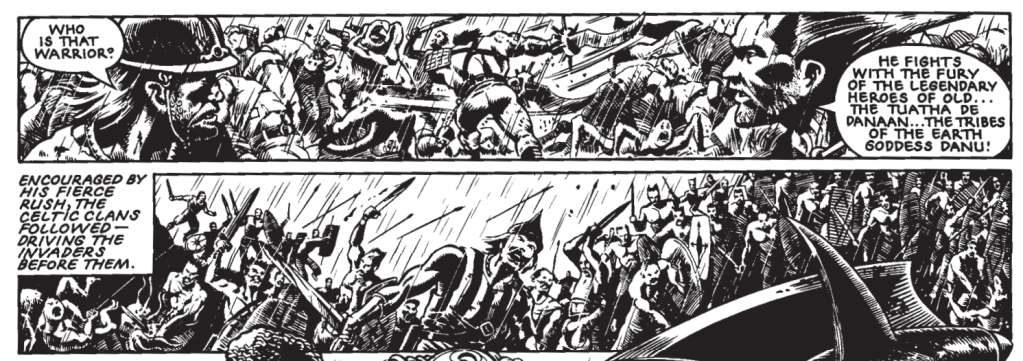
Classic 1980s black–and-white Sláine. From Time Killer, Written by Pat Mills, art by Massimo Belardinelli, Glenn Fabry, David Pugh, Bryan Talbot

4: The Horned God

This brings us to the pinnacle of the whole saga. The Horned God is the story of how Sláine unites the Tribes of the Earth Goddess to resist Slough Feg. More than that, it is a spiritual journey for Sláine as he submits to the Earth Goddess and becomes her faithful champion. Simon Bisley’s full-colour art is really beautiful.

The Horned God is deliberately slow to start, laying a solid thematic basis. Nothing in this story feels unearned. The story explores the motivations of Slough Feg and his death-cult. There’s a kind-of feminist theme as Sláine triumphs through becoming the Horned God, the champion of the Earth Goddess.

This champion ‘sees the ridiculousness of life. He never takes its pressures too seriously… Whereas the sun god is so serious… is obsessed with authority… with conquering everything… those heroes who follow his path are usually mindless and violent.’

The ingredients are in the right balance: action and spectacle combined with thematic depth and character development. There are stories within the story – such as the return of the Avanc, last survivor of an indigenous people wiped out by one of the Tribes of the Earth Goddess. Some parts are laugh-out-loud funny, but there are moments of real pathos – like when Sláine says goodbye to his son.

The Horned God is amazing.Despite some elements which have not aged well (including the male gaze stuff that I will deal with next week) it rewards reading and re-reading.

5, 6 and 7: Demon Killer, Lord of Misrule and Treasures of Britain

Pat Mills appears to be deft at pleasing his editors while also remaining true to his creations. As noted above, for some reason Sláine became an inter-dimensional battler of aliens for a while in the 80s – but rather than retconning or pretending it never happened, Mills does a graceful job of integrating the silly alien stuff into the story while keeping the focus on the themes and characters we actually care about. This enriches the stories collected in the next few graphic novels. In Demon Killer, Lord of Misrule and Treasures of Britain, Sláine travels through history and myth and time. These stories feature Boudicca, Robin Hood and King Arthur. Along the way he battles with old enemies: the Guledig and the sadistic demon Elfric.
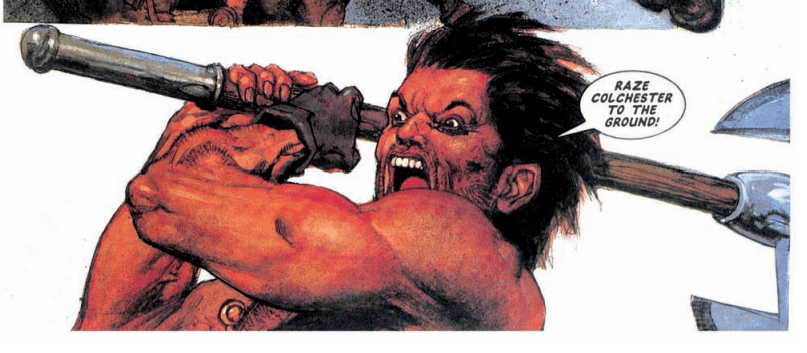
From Demon Killer, written by Pat Mills, art by Glenn Fabry, Greg Staples, Dermot Power

Demon Killer puts the moral ambiguity of Sláine to the fore. Alongside Boudicca, he loots and razes a Roman city, killing masses of innocent people. Mills justifies this in the introduction (justifies it as an artistic choice, I hasten to add) convincingly in my view:

In many comics he would have doubtless made an excuse and left or tried to stop the massacre with some appalling hindsight speech: “No! No! Spare the women and children!” Fortunately, on 2000 AD, we don’t make such unconvincing compromises. The reality is that, as a Celtic warrior, Sláine would have participated because his people were driven to a fury after the Romans ethnically cleansed their land. And I feel this uncomfortable truth is preferable to reassuring but bullshit fiction.

(Pat Mills, from the introduction to Demon Killer)

 It is consistent with Sláine’s character and his motivations. I said he wasn’t a boy scout. He is compelling because he attracts and then alienates our sympathies. But we’ll be taking a closer look at Demon Killer next week.

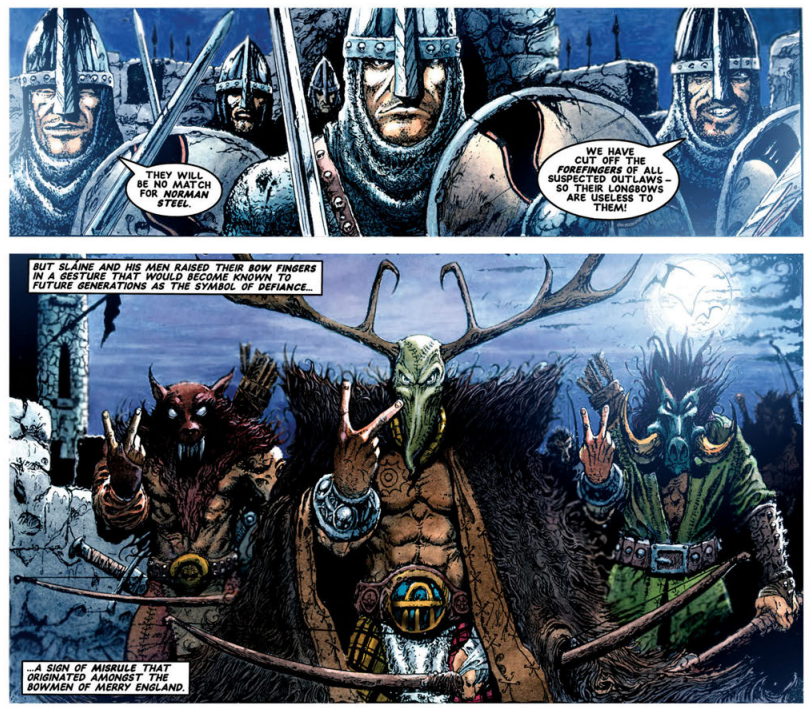
Lord of Misrule contains a moment very characteristic of Mills’ writing:
From Lord of Misrule, written by Pat Mills, art by Clint Langley, Greg Staples, Jim Murray

I don’t know if this is true or just a myth, and I don’t care. I like these little asides, and how they are well-integrated into the story.

In Treasures of Britain I found the story a bit unfocused. But the artwork is the most beautiful of these three comics, and there are many astute comments on Arthurian legend.

These are fun adventures, beautifully drawn, with thematic depth and character. I heartily recommend them.

That’s it for this week. Subscribe by email to get a notification when Part Two goes up. Next week we’ll look in depth at Sláine: Demon Killer. We’re getting into darker material in Part 3: some of the dodgy shit that has made its way onto the pages of Sláine, and why I hated Book of Invasions. But we’re also going to appreciate the finest artwork of the whole saga and take a look at my recommendations for the top five Sláine comics.

Maybe you enjoy reading about Sláine, and you didn’t think that too many. You should check out this great blog where the author Alex compiles a full list and ranking of all Sláine stories: slaineranked.blogspot.com
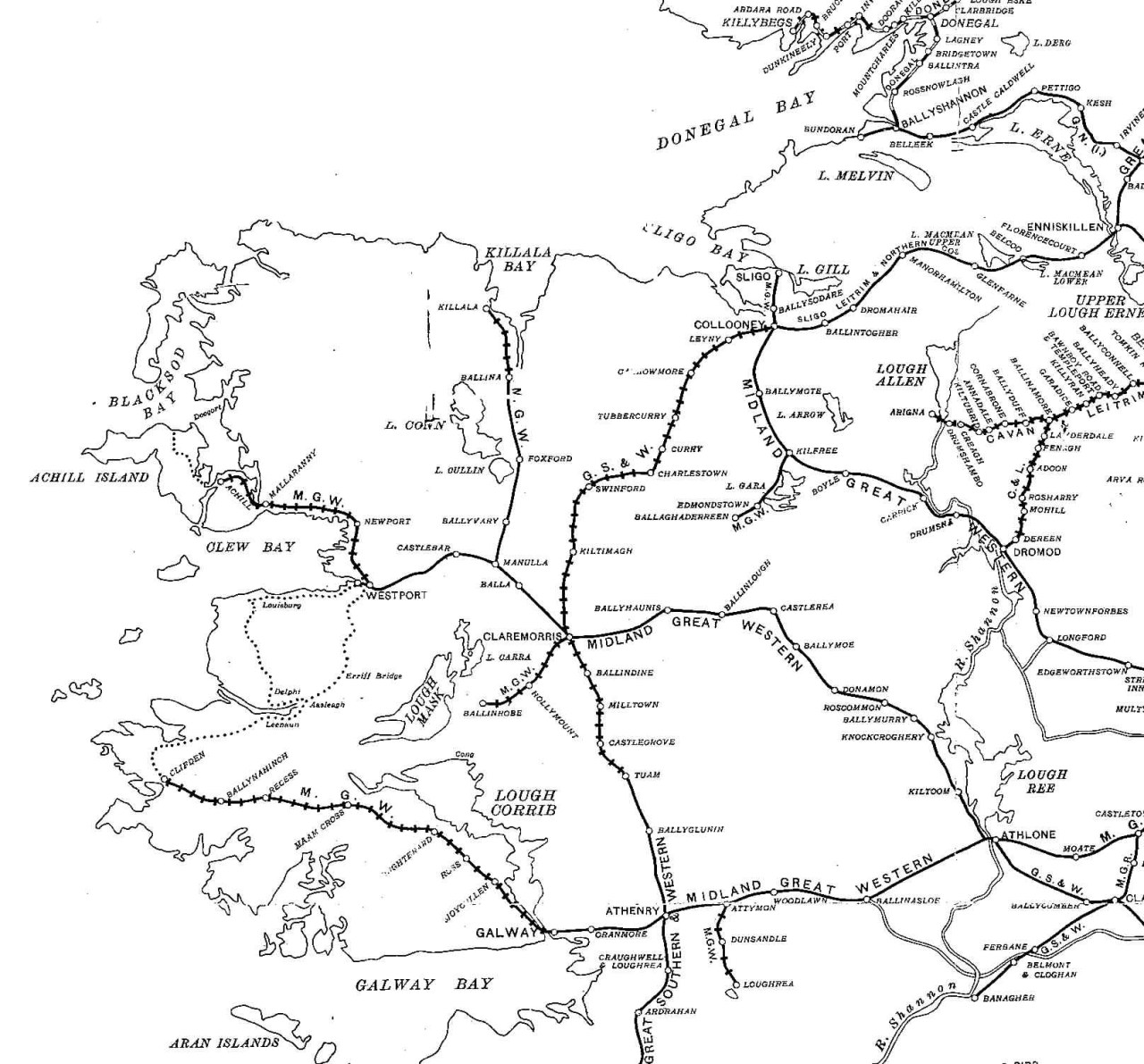
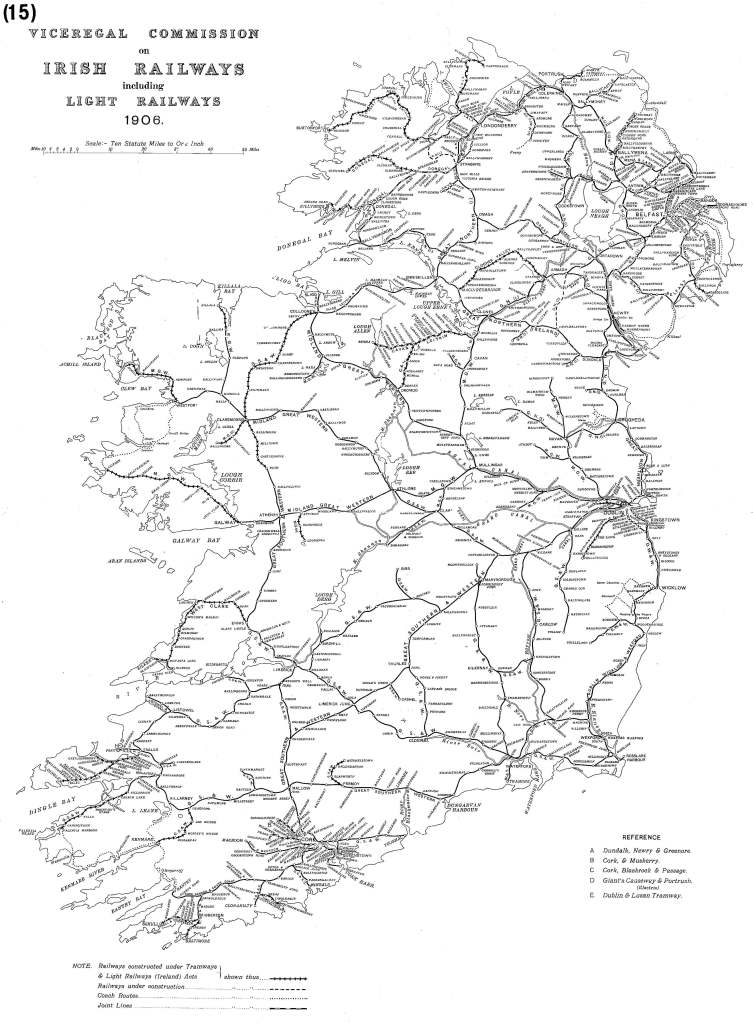
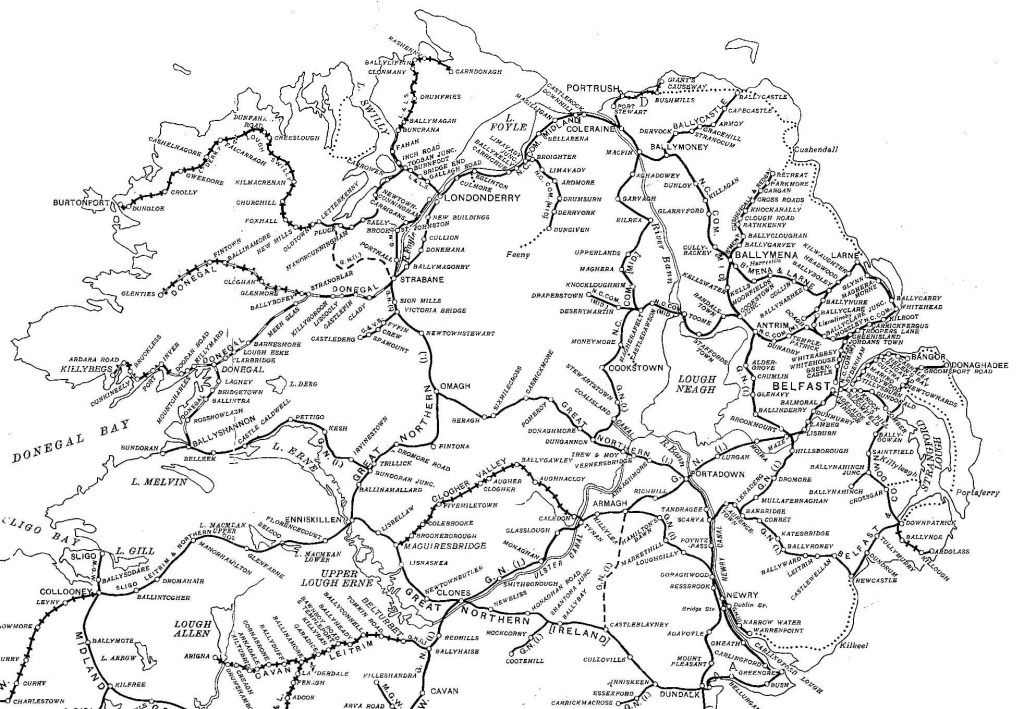
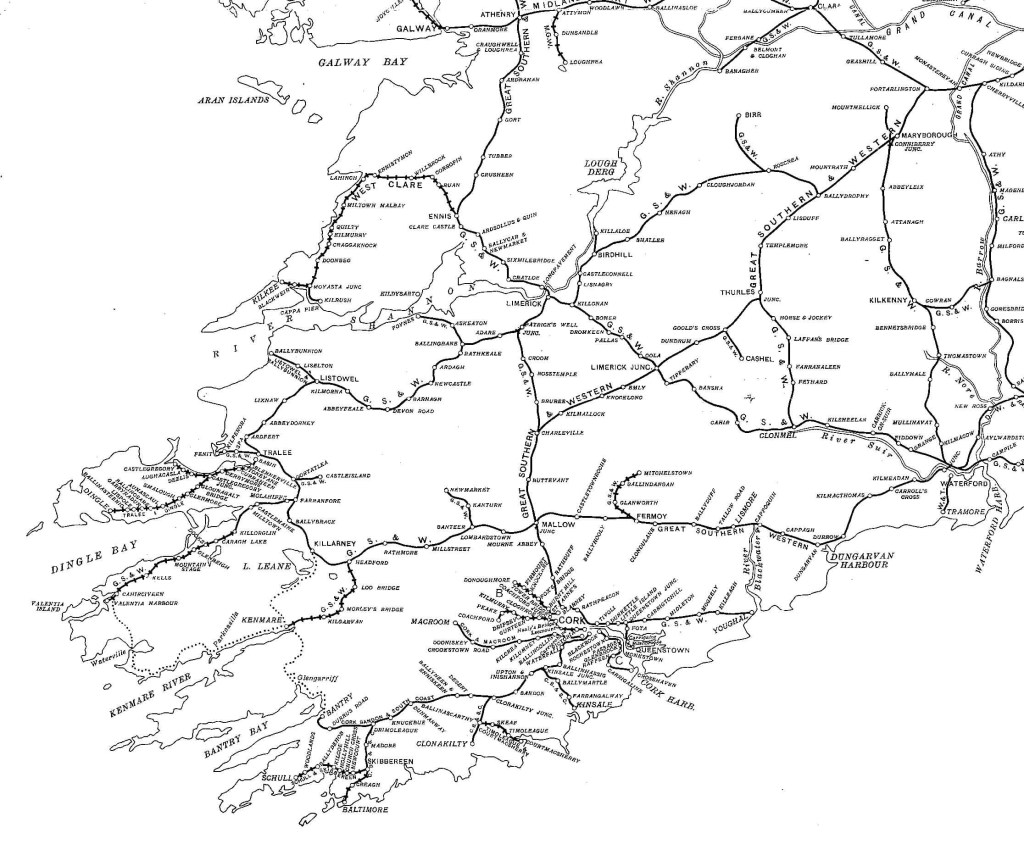
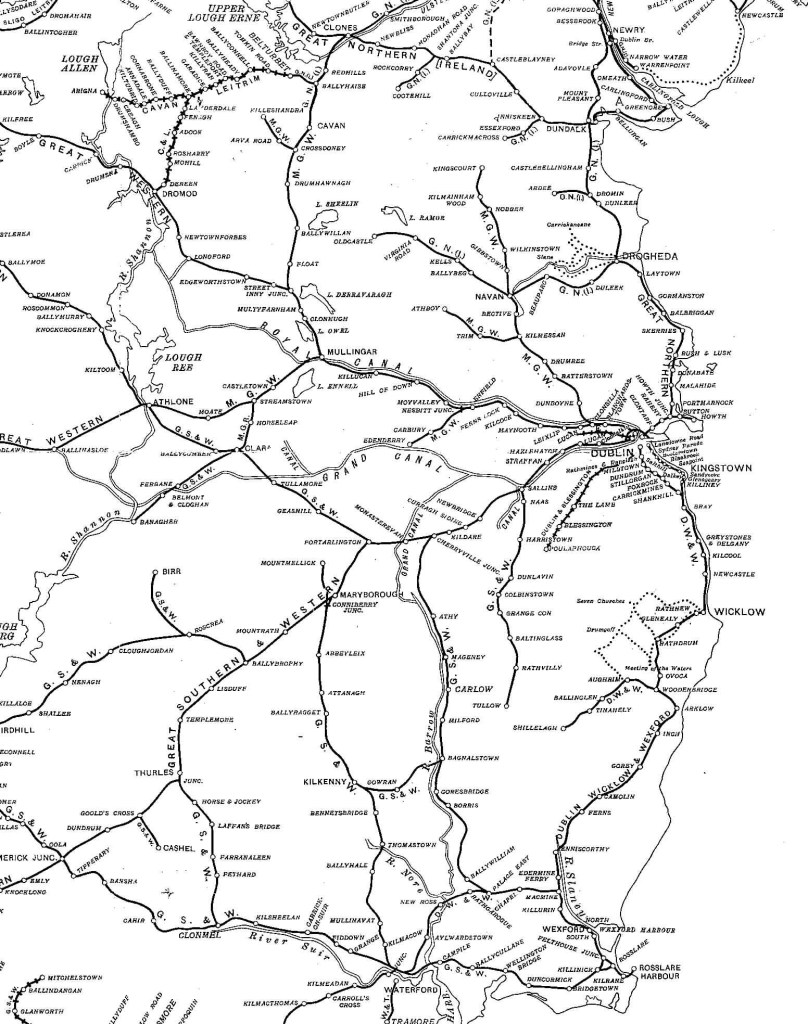
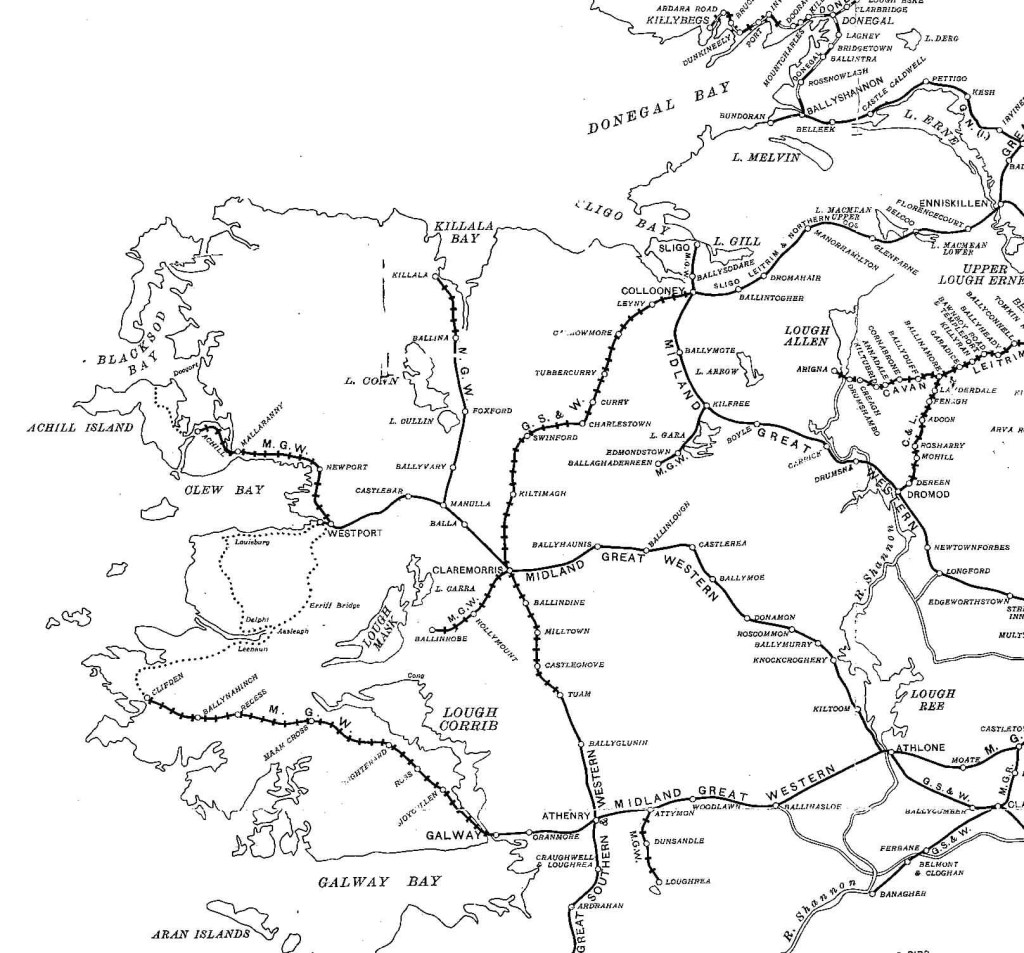
Railways in Ireland, 1906

The above should be of profound interest to anyone who’s looking for solutions to the climate crisis. If they could do it in 1906, we can do it now.

Below are zoomed-in versions on each of the four provinces. But first, a map of today’s rail network for comparison. The comparison is not entirely fair as DART and Luas don’t feature on it. Even allowing for that, the contrast is striking.

From Irishrail.ie

Trotsky (2017) – is it accurate? [Spoiler: lol, Jesus, no] (Premium)

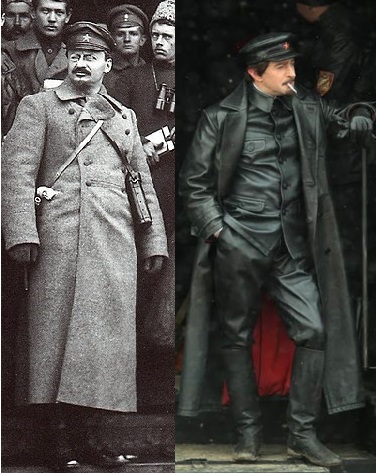
I hit ‘Play.’ Within three minutes, Trotsky and Larissa Reissner are having sex on a train. She’s naked and he’s clothed head to toe in leather. She’s in the throes of passion and he wears a blank, pitiless expression; he doesn’t appear to be enjoying himself. The train plunges phallically through the Russian countryside. Reissner’s voiceover chants a poem about death.

Read this article – and many more – for just €5

Some of my posts are set aside as a special thanks to paying supporters. This is one of them. You can get access to this article – and the full archive of The 1919 Review for an entire year – for just €5.

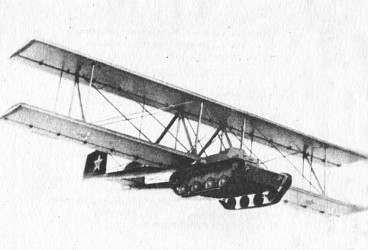
Tukhachevsky’s Flying Tank

The Antonov A-40 Flying Tank prototype

The striking image above shows a glider-borne tank, tested unsuccessfully by the Soviet Union in the 1940s. The genesis of this idea was even stranger, like something out of a Command and Conquer game:

‘Tuchachevsky likewise paid particular attention to the Air Force. For some years he had studied the problem of combining the functions of aeroplane and tank in a machine to be known as the ‘flying tank,’ i.e., an armoured car which automatically or by a few turns of a handle could be transformed into an aeroplane and then changed back again into a tank that was ready to go into action as soon as it landed. There is also a compromise solution of this problem in the form of large-sized aircraft which can transport a tank by air and land it behind the enemy’s lines.

‘The study of the ‘flying tank’ led to successful experiments in the large-scale employment of special shock troops that could be dropped behind the enemy’s lines by parachute. It is no mere chance that this idea of aerial infantry originated in the brain of Tuchachevsky, the Commander-in-Chief of the first Red Army of workers and peasants.

‘The idea of dropping such detachments in the enemy’s rear presupposes that this area is peopled by inhabitants in sympathy with the aerial invaders, for otherwise such aerial shock troops as survived the attentions of the enemy’s anti-aircraft batteries would be wiped out by mechanized units hastily despatched to deal with them. The conception of a parachute corps is therefore closely connected with the idea of an international Socialist Revolution.’ 

From Erich Wollenberg’s book The Red Army – which is great as well as free to read online.

The genius of Tukhachevsky was such that even when he was preoccupied with a bizarre idea, like a plane that could turn into a tank, he ended up stumbling on a great idea – parachute soldiers. It’s also fascinating that the original inspiration for the idea of paratroopers was Tukhachevsky trying to figure out ways to help socialist revolutions in hostile countries.

Images from Aircraft Wiki and Wikimedia Commons

Review: In the Name of the Working Class by Sándor Kopácsi

In the Name of the Working Class is an account of the Hungarian Revolution by a leading participant. The author Sándor Kopácsi was the police chief of Budapest in 1956 during the workers’ and students’ revolution. In what must have been a first for world history, Kopácsi, a high-ranking cop, came over to the side of the insurrection.

The early chapters describe Kopácsi’s own experiences as a worker and socialist fighting the Arrow Cross fascists in the 1930s and the Nazi military in the 1940s.

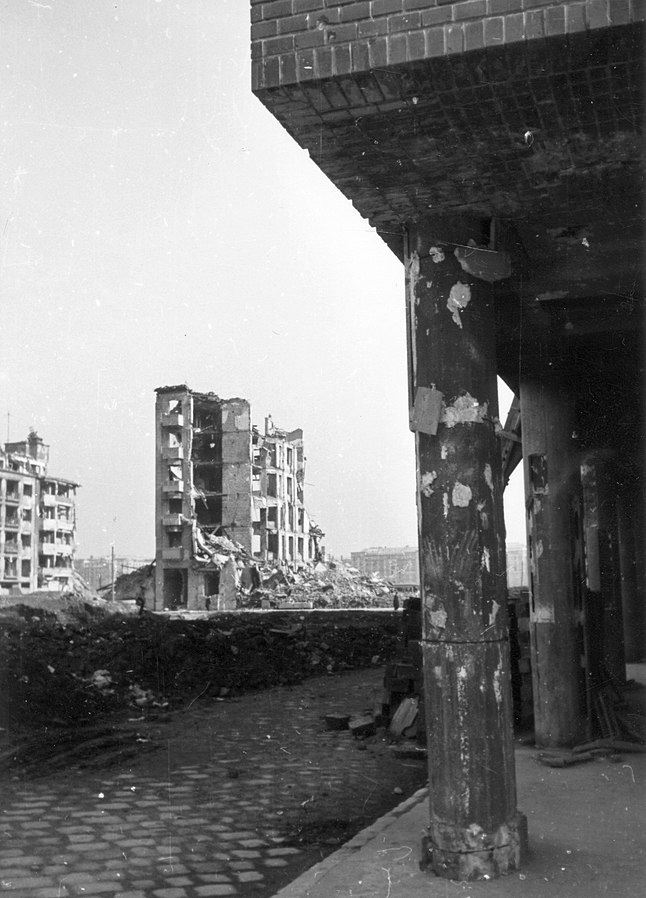
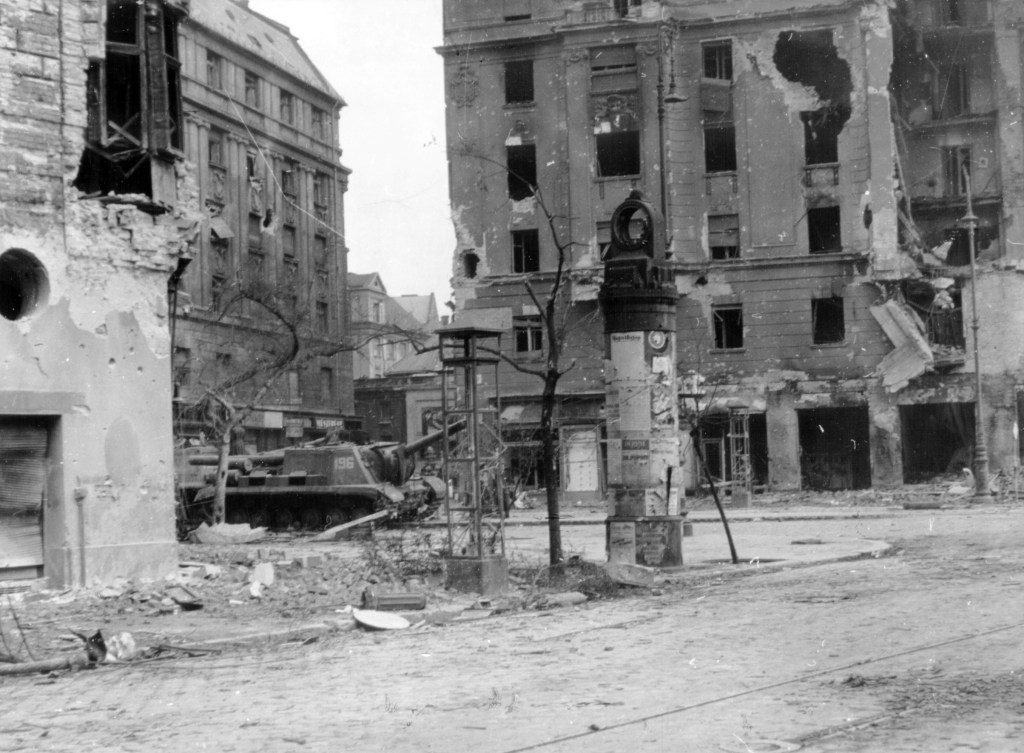
Picture 1: Budapest in ruins after the Nazi occupation

Next the book gives a vivid account of terror and mismanagement under Rakosi. The middle chapters describe the 1956 revolution, brutally cut short by the Russian invasion. The final chapters of the book are appalling. The revolution crushed under the treads of Soviet tanks, what follows is a story of imprisonment, executions and farcical trials. The reader knows that the author will survive. But for many other revolutionaries the end was a shooting in a prison yard, the sound of gunshots and screams suffocated by the roar of idling truck engines.

Portrayal of Revolution

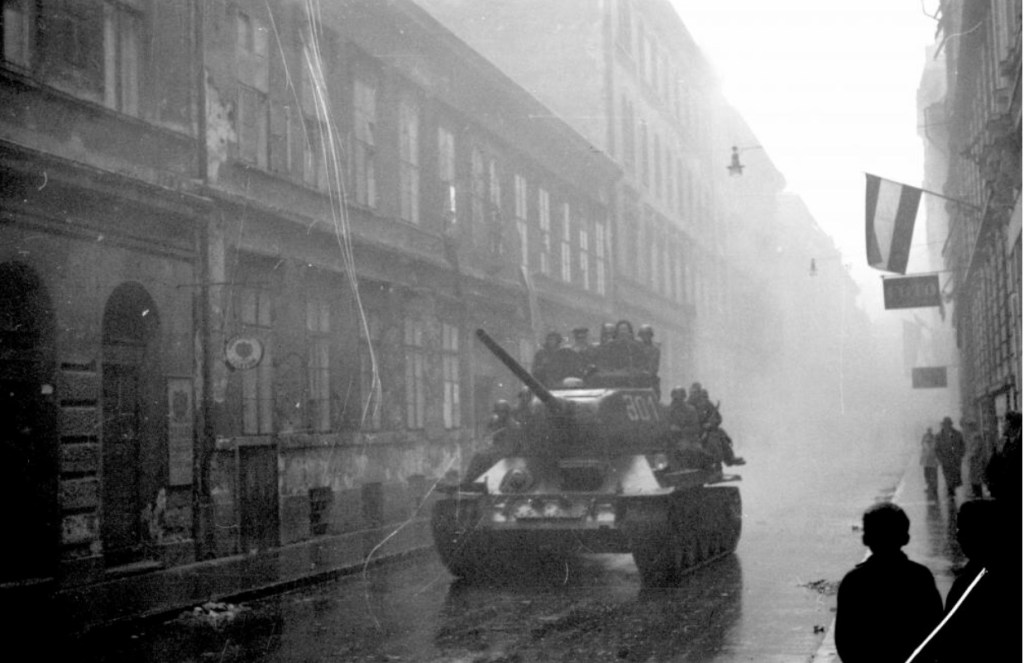
The book contains vivid portraits of key Soviet and Hungarian figures and first-hand accounts of revolutionary events. Kopácsi witnessed the moment when crowds shoved handwritten notes through the loopholes of tanks, winning over the Russian crews inside who mutinied and joined the revolution.

Picture 2: A Soviet tank in Budapest, 1956

It is an invaluable portrait of a revolution. He describes the government headquarters in Budapest at the height of the events. It

resembled Smolny Palace in Petrogad, the Bolsheviks’ centre in 1917, more than it did the Houses of Parliament in London… In Nagy’s anteroom, I met an old Hungarian Communist who had been one of Lenin’s personal guards soon after the Bolshevik Revolution. He said to me: ‘Kopácsi, I’ve read ten different histories of the party, each one as packed with lies as the last, and this is the first time I’ve experienced the true atmosphere of the ‘ten days that shook the world.’

-Sándor Kopácsi

I haven’t read much about the events of 1956, but the inescapable impression I got from schools and the media was that this was a liberal, pro-capitalist and nationalist uprising. That impression is thoroughly refuted by In the Name of the Working Class. This event has been misrepresented, first by the Stalinists, who said the whole thing was a fascist coup, second by the conservatives and liberals of the west.

I was somewhat aware that there was an untold story of workers’ revolution here. I read this book to look for confirmation or denial. The book confirmed it, and then turned the dial a few more notches. I found much more evidence of a working-class, democratic socialist revolution than I had expected to find.

Tragic Indecision

One major part of the story that I had never appreciated before was the indecision and resignation of Nagy and his government, including Kopácsi. It comes across powerfully in this account. During the insurrection, the cops fought the insurgents for some time before finally joining them, and Nagy did not agree to “lead” the revolution until the last minute. The revolution was really led by the workers of the heavy industries, by workers’ councils and militias. A sincere and genuine section of the ruling stratum – the likes of Nagy and Kopácsi – came over to the revolution after it was an accomplished fact.

They were sincere socialists and critics of Stalinism, brave and humanitarian individuals. But they never proved capable of anticipating or preparing for events. Theywere not as defiant or audacious as the masses or as the situation demanded. This is apparent on some level throughout Kopácsi’s memoir, but it becomes very clear in the chapters that describe the Russian invasion.

Khrushchev sends in the tanks

The USSR arranged a meeting with Hungarian delegates, ostensibly to discuss formalities associated with the withdrawal of Soviet troops from Hungary – such matters as ‘whether the departing troops should be presented with bouquets by schoolchildren’! While dragging out these petty talks, the USSR launched a full-scale invasion. Hours passed. Tanks entered Budapest and started flattening city blocks with shells. Still the talks wore on! Finally the hapless delegates were, at a certain point in the proceedings, simply arrested.

The leaders of the revolution were not idiots. On that evening, Sándor Kopácsi was fully aware of what was happening soon after the fake talks began:

’Sándor, there are troop movements. Everywhere. And these reports aren’t just coming from our observation posts, they’re from individuals, from hundreds of phone calls coming from every part of the country. Here’s a map of the invasion, drawn up from the reports.’

He spread out a map of Hungary, with multicoloured arrows, on my desk. From the reports, we knew that ten divisions were on the move in key areas of the country. At least five armoured columns were converging on Budapest…

’Has the old man [Nagy] seen the map of the invasion?’

’He has it.’

-Sándor Kopácsi

They were not idiots. But they lacked will. Nagy continued to insist on the negotiations, though it was obvious, even to him, that they were a ploy. Faced with this life-or-death crisis, key figures in the armed forces were simply advised to go to sleep for a few hours.

In a dramatic and tense section of the book, Kopácsi describes the invaders closing in. He also portrays (and defends) his own government’s failure to react. Resistance would have been futile, he tells us; he has never admired Masada. But regardless, fierce fighting raged in Budapest for days. The armed workers and youth held out heroically against the tanks. The police chief went to the government HQ, where an enormous phalanx of Hungarian tanks awaited the approaching Soviet forces. But there was to be no battle: Kopácsi convinced the tank crews to lay down their arms and surrender without a fight.

Picture 4: ruin and destruction in Budapest testify to the fierce resistance of the Hungarian revolutionaries

Kopácsi, in my view, fails to justify this fatalistic and irresolute attitude. When we look at how fierce the fighting was in the end, and we tally up the missed opportunities, the toll of lost initiative, the military assets surrendered without a fight, we get the impression that a far more organised and resolute defence of Budapest could have been mounted and could have been successful. The Soviet Union was powerful, but not omnipotent. They had to take into account the willingness of their own soldiers and population to fight, and the global context of the Cold War. Every day and every hour counted. I have not read widely on the subject. But based on the information in this book, it seems to me that a few more days’ stiff resistance might have forced the Stalinists to back off and come to terms.

After this disaster, there followed for Kopácsi years in prison, listening to the gunshots outside the walls as his comrades were mowed down. It was worse than any Masada. His desire to avoid needless bloodshed is sympathetic on a human level (though it was a disaster politically, historically), and he did not know that such a massacre would follow surrender.

The title of this memoir is entirely sincere. Kopácsi wrote it as a refugee in Canada, still a true believer in socialism. It is absolutely compelling, and for the experiences and lessons recorded in it, worth its weight in gold.

1940 – Maps for an invasion of Ireland

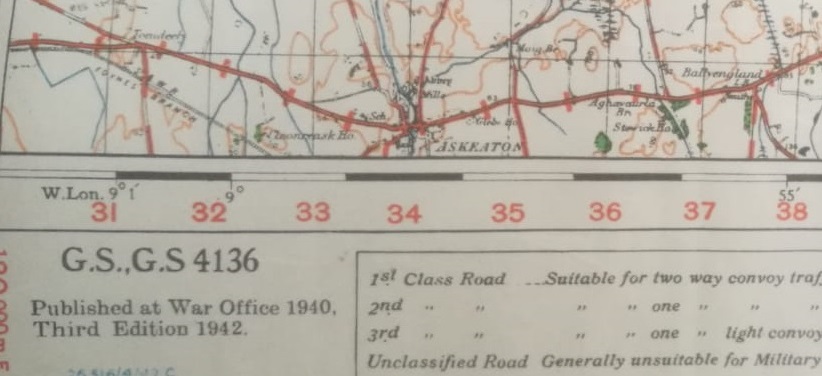
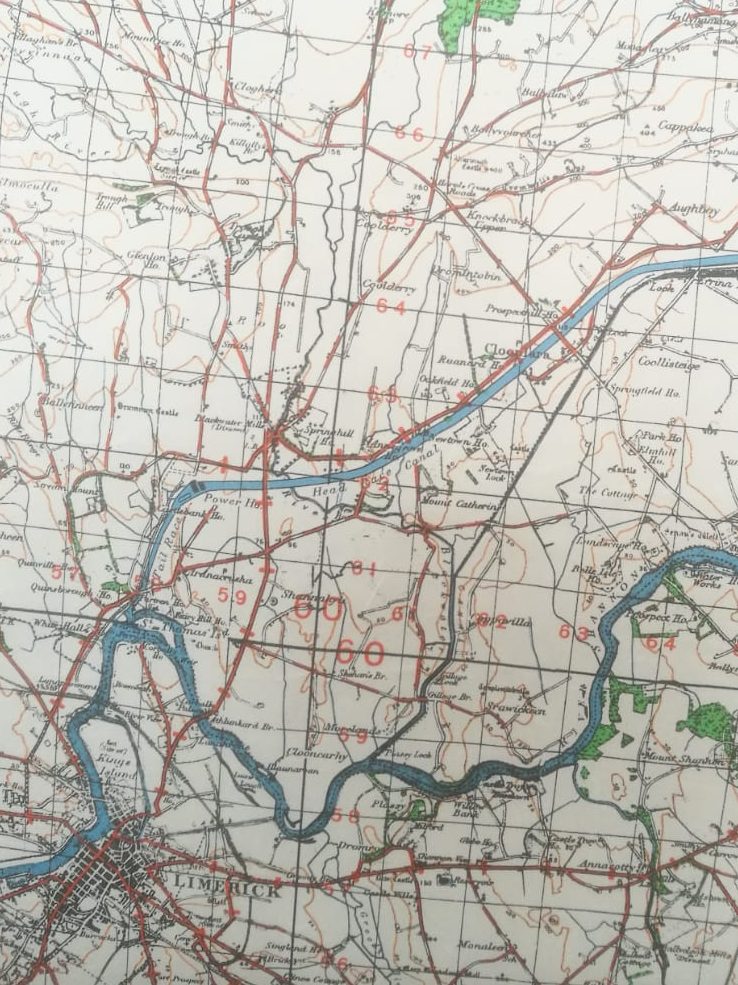
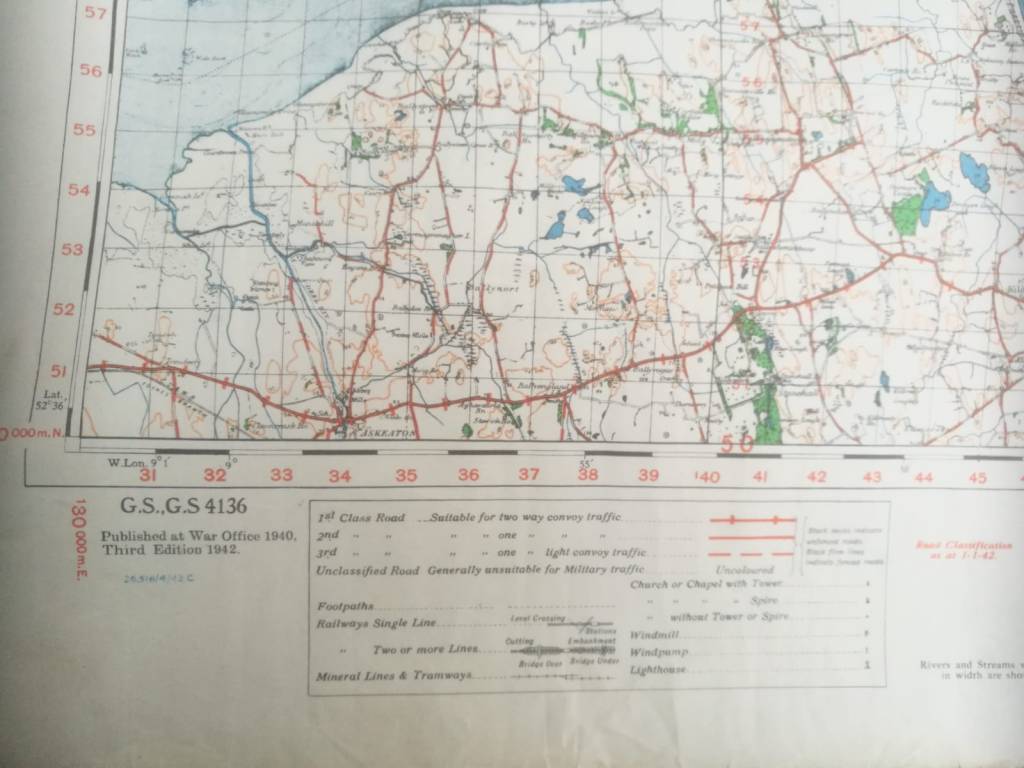
During World War Two the British War Office produced a series of incredibly detailed maps of Ireland. These were to serve British forces in the event that they were to invade the former colony that had sent them packing twenty years earlier.

The British army donated these maps to the Irish defence forces long after the war. But most were destroyed in a fire in Kildare Barracks, some time in the early 2000s.

These maps cover the entire island and show every field and city block. The Irish army themselves did not possess such detailed maps. Such are the perks of being able to dispose of the revenues of a world-spanning empire. See the military details noted in the second image, below.

Of course, Britain had been in control of all Ireland until 1921. They would have possessed maps that were twenty years out of date. But the first image above includes the Shannon hydroelectric dam, which was built years after independence.

How, then, were these maps drawn up? My guess is, on the basis of old British army maps, updated with details supplied by spies on the ground or aerial photography.

In a few weeks I’ll be in a position to upload some better-quality images, so keep an eye out.

Review: Jerusalem by Alan Moore

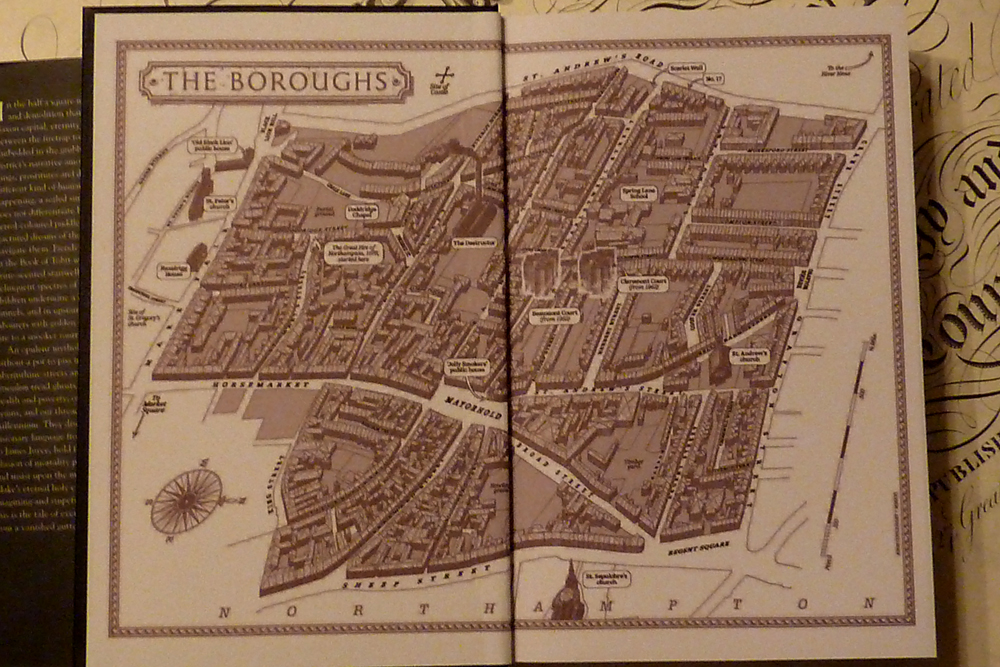
Alan Moore’s 2016 novel Jerusalem is a heartfelt, sprawling tribute to the Boroughs, a Northampton neighbourhood with a seedy present but an illustrious past. For the author, Northampton is nothing less than Jerusalem, the Jerusalem of William Blake. Or it might have been, but it’s too late now.

The story centres around Alma and Mick Warren, a sister and brother who grow up in the Boroughs. Alma becomes a brilliant but utterly demented artist, Mick a manual worker. In 2005 Mick has a workplace accident that triggers a flashback to his childhood, to a near-death experience that sent his spirit on an adventure in the afterlife. This plane of existence, neither heaven nor hell, is a version of the Boroughs that exists beyond space and time. By combing through these memories, Mick and Alma come to understand the forces both supernatural and mundane working to grind the neighbourhood into oblivion.

 In a long flashback, toddler Michael wanders into the afterlife and falls in with a gang of ghostly kids, the Dead Dead Gang, who resemble something out of Enid Blyton. Of course, these innocent pranksters are all dead – some of them died as children, others lived full lives but choose to live as kids in the afterlife. After these adventures come to a triumphant conclusion, we return to the present. It’s time for Alma to attempt to save the Boroughs.

The Destructor

But in Jerusalem, time is simply another dimension (thus trees are four-dimensional structures), free will is an illusion, and all the moments of our lives happen simultaneously in a coruscating eternity (as Doctor Manhattan once explained). After death we ascend to an eternal plane from which we view our lives from above and outside, as it were. It seems to be a kind of superstructure based on and growing out of the real world; as below, so above. But what takes shape in the superstructure can rebound upon the base, as we see with the Destructor, a sinister vortex at the rotting heart of the Boroughs. This huge waste incinerator dominated the neighbourhood for years, an example of the contempt of the authorities for the health and wellbeing of the folks living nearby. This act of state cruelty continues to exert a dire cosmic influence long after the Destructor itself is demolished.

It’s a good thing there’s an eternal afterlife where our deeds and creations are inscribed forever, since the story is all about the slow and painful death of a neighbourhood. The story is told through a wide range of characters, dead and alive, who criss-cross the Boroughs in many dimensions, striking one another and rebounding unpredictably like the billiard (trilliard) balls of the male proletarian ‘vaguely Soviet’ angels who run the show.

‘Lacking restraint?’

If you don’t like a book that can be described as ‘challenging and at times lacking restraint’, then Jerusalem is not for you. But ‘lacking restraint’ is a quality essential to this type of story.

Like his creation Alma Warren, Alan Moore can be exasperating. I lost my patience with him a few years ago when I bought a League of Extraordinary Gentlemen graphic novel only to open it and find that it was half in German. For feck’s sake! I wasn’t going to read a comic with Google translate open on my phone, just so I could read speech bubbles full of references that would probably go over my head anyway.

But since making the pilgrimage to Jerusalem, I’ve re-read the brilliant League saga titled Century. Like Jerusalem, it portrays the 2000s as an irredeemable sadistic miserable dystopia, with social conditions that remind Mina Murray of the Victorian era, but weighed down with even more hopelessness and cynicism. That portrait will stand the test of time.

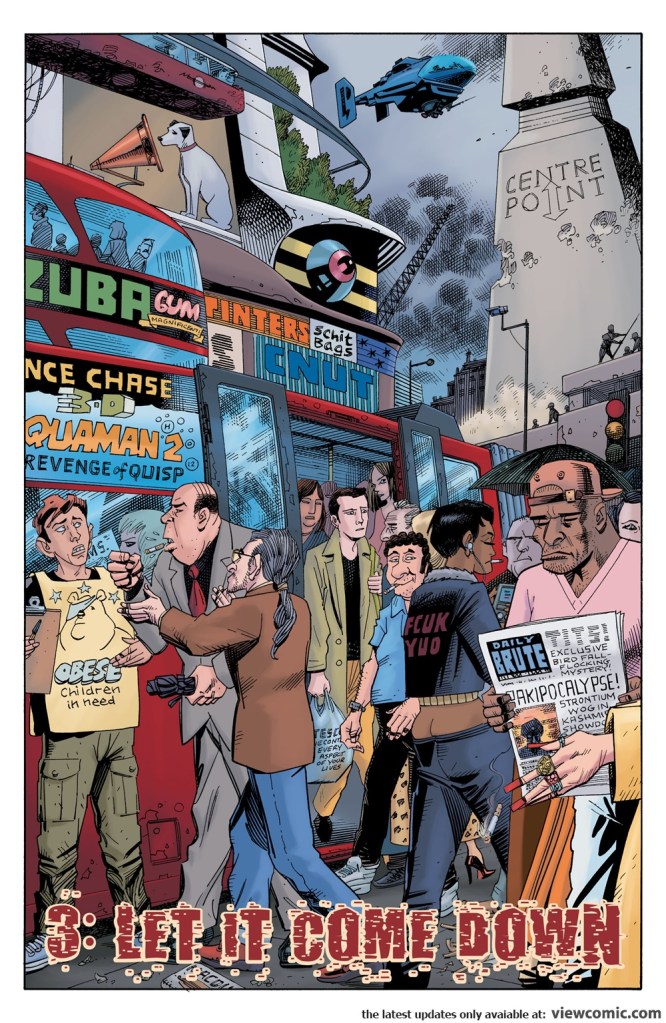
‘Obese children in need’ is a bit mean – obese children obviously do need help – but it goes along with the general portrayal of the dystopian 2000s that the closest thing we see to political activism is harmless NGO fundraising

No part of Jerusalem alienated, annoyed or baffled me – with one exception. There was a sequence of chapters narrated by Lucia Joyce in (what I assume is) Finnegan’s Wake-style gibberish. Maybe it was just the effect of listening on audiobook, but it drove me mad. I almost never skip parts of books, but after enduring the babble for a while I skipped it.  

Jerusalem takes place almost entirely in Northampton (including Lambeth; Moore claims that Lambeth is an annex or honorary part of the Boroughs). But the scope is far from narrow, taking in Sierra Leone and the United States, the world economy, climate change, the ‘war on terror’, epidemics, slavery, woolly mammoths and a trek into the furthest reaches of the future.

Taken from this blog, with thanks

Along the way the reader learns about everything from Northampton’s religious conflicts to the illustrious inhabitants of its mental institutions, including the aforementioned Lucia Joyce. Even if it ‘lacks self-restraint,’ Jerusalem is not self-indulgent; Moore is conscientious and reverent concerning details of local and social history, from death-mongers to the origin of the name ‘Scarletwell Street.’ If anything it is Boroughs-indulgent.

Putting Northampton on the Map?

There’s an episode of Alan Partridge in which Alan tries to pitch a show idea to TV executives: ‘this TV show will put Norwich on the map!’

To which the TV guys respond, ‘Why would we want to put Norwich on the map?’

Why would readers want to immerse themselves in the past, present and future of Northampton? Why did I, in essence, go on a hungover sixty-hour walking tour of the Boroughs with Alan Moore as my tour guide? Why did I enjoy it so much, and get so much out of it?

One answer lies in the architecture of Moore’s heaven. Between life and afterlife lies the ‘ghost seam,’ a monochrome world in which those who are unable or unwilling to move on from the sins and traumas of their lives are doomed to wander. In a memorable scene, Moore notes that ghosts are rare in the Boroughs but common in the leafy suburbs – snobs from the professional classes lingering in their back gardens, unable to leave behind their property, making bitter remarks about the South Asians who have moved into their houses. Castles and mansions are, as everyone knows, teeming with ghosts and madness. But the humble folk of the Boroughs ascend without difficulty to a radiant and glorious eternity. The working class in general gets the express service to heaven. Jerusalem is more broadly a celebration of working-class life. Again and again, the language and imagery link the working class with the divine, the angelic, cathedrals and paradise.

Demons feature in the story, but they are relatively harmless. The real evil is the faceless, destructive horror of capitalism. The acts of violence in the book – from sexual assault to socio-economic violence (I’m aware that the implied metaphor is problematic) – are all inspired by a world-view that sees human beings as selfish units with no obligations or connections to one another. The despicable Labour politician Jim Cockie sees the misery in the Boroughs as a phenomenon rooted in ‘individual responsibility’ rather than oppression. For more on this, take a look at this very insightful write-up by David M Higgins.

The antidote to this is a bizarre art exhibition hosted by Alma Warren which serves as a kind of inquest, pointing the finger of blame while also celebrating the neighbourhood. Reminding us of the place we occupy in eternity makes the world a more interesting and colourful place, gives layer and texture to our surroundings, renders them comprehensible and legible. But more than that: it empowers us to make a political challenge.

Moore tells a story about his home town, and similar stories could be told about the towns I know. But it doesn’t matter what town it is. What matters is having human connections to a place and to those who live there (even if like ‘Black Charlie’ you originally came there from the other side of the world), being immersed in the art that was created there, appreciating the destruction that has been wrought there, seeing the past and the future embodied in the present. Jerusalem spoke to me because while it’s all about the uniqueness and specificity of Northampton, the same could apply to the run-down neighbourhoods and ghost-town streets near my house or yours.

From Pearl Harbor to Eternity

Comparing a terrible film, a good film and a great book

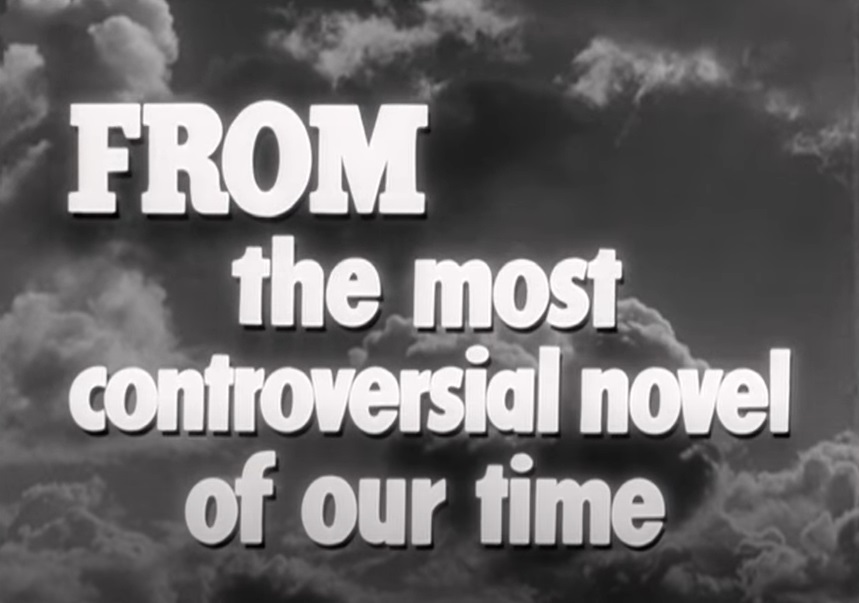
Pearl Harbor is a terrible movie. But you can’t really appreciate how terrible it is until you compare it with From Here to Eternity, a far superior film about the same event, the Pearl Harbor attack in December 1941. The comparison is even starker when you look at the novel on which From Here to Eternity is based, a book so hard-hitting it faced boycotts and was called ‘the most controversial novel of our time.’

Superficially the two films are similar: we follow a cast of characters through military life in Hawaii before the war, then at the end the infamous bombing takes place.

But Pearl Harbour is about air force officers and nurses while From Here to Eternity is about rank-and-file army grunts and sex workers. Pearl Harbor bows with utmost reverence before the altar of the US military. From Here to Eternity portrays a toxic and oppressive institution.

From Here to Eternity is about two privates, Prewitt and Maggio, who revolt against military life. Officers are ‘jackasses’: Captain Holmes tries to force Prewitt to box, against his will, just to enhance the prestige of the company. Prewitt refuses, and Holmes begins a brutal campaign of reprisal and coercion against him. Meanwhile Holmes’ wife Karen starts an affair with Sergeant Warden, the tough NCO who really runs the company while Holmes is busy sucking up to the top brass.

As an aside, Maggio was played by Frank Sinatra – rumour has it that this casting decision was influenced by the sudden appearance of the severed head of a horse in a film producer’s bed. Which inspired, yes, that scene from The Godfather.

Frank Sinatra as Maggio in From Here to Eternity

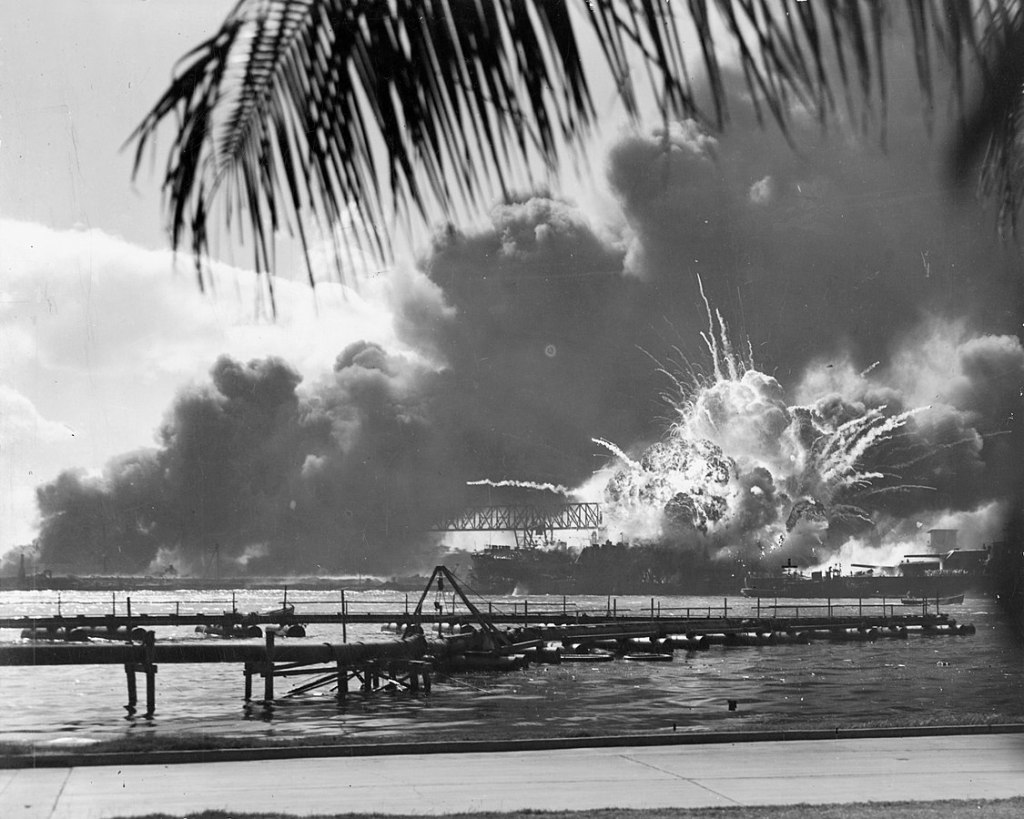
As for Pearl Harbor, the scenes depicting the actual bombing will stick in your mind – they’re made with a huge budget and modern special effects. Superficially it appears more attractive – it’s in colour while From Here to Eternity is black-and-white.

From Michael Bay’s Pearl Harbor. While I hate this film, I have to give it its due. The bombing scene is a genuine cinematic spectacle.

But Pearl Harbor is overall forgettable. We don’t care much about the characters, so the battle is just an empty spectacle. The world the characters live in is so bland. There are no bad officers – no, sir, absolutely not, sir. In From Here to Eternity Prew and Maggio sneak out of barracks, loiter in Honolulu and skirmish with the Military Police. They get locked up in the stockade where prisoners are tortured, sometimes to death. But all of the rough grain of military life has been sanded smooth in Pearl Harbor’s shiny version of the US military. You could eat your dinner off Pearl Harbor.

The cast of Pearl Harbor and that of From Here to Eternity supposedly live in the same place at the same time. But it’s honestly difficult to imagine, say, Prew and Alma running into the nurses and pilots of Pearl Harbor on the streets of Honolulu. What would they make of each other? How would they interact? It would be uncanny, like an encounter between humans and robots, or between alien species. Their brains would short-circuit.

A lot of people complain about the historical inaccuracies in Pearl Harbor. But I don’t really care if they used the wrong sub-type of aircraft carrier in that one scene. My complaints run a lot deeper. For example, I hate the scenes where real historical figures appear – the scenes depicting American leaders like Roosevelt are pious and reverent and utterly lifeless, while those depicting the Japanese are unnecessary and portentous.

But the very worst part of the film is the last half-hour. After the bombing of Pearl Harbour, our heroes fly off to carry out a revenge bombing on Japan. This part feels crudely bolted-on, a real drag on the movie. You’re sitting there like, ‘The credits should have rolled twenty minutes ago.’ It’s also cruel and petty. We’re supposed to root for these bomber pilots, when they’re flying off to blow up some innocent Japanese factory workers. The filmmakers couldn’t let it be; they felt that after showing us the Pearl Harbour attacks, they had to end the film on a note of righteous US violence, and they even tacked on a narrator to explain it to us.

From the trailer for From Here to Eternity

But I have not yet mentioned the brilliant 1951 novel that From Here to Eternity is based on. There is a wide gap between James Jones’ novel and its film adaptation. (Spoiler Alert) In the film the tyrannical Captain Holmes gets demoted as a punishment for his misdeeds and replaced with a fine upstanding officer. In the original novel, however, Captain Holmes is promotedrewarded by the top brass, not punished – and his replacement is a coward and an idiot.

From Here to Eternity – novel and film

This is emblematic of the differences between book and movie. In the book, the company and the regiment come alive with memorable characters. Jack Malloy is a semi-legendary soldier who used to be in the Industrial Workers of the World (IWW). A self-educated philosopher, he is always in and out of the stockade for his mutinous behaviour. Prewitt admires him, and Maggio becomes his disciple.

The film also leaves out the book’s foray into Hawaii’s gay scene, and the strange friendship that develops between Prew and Maggio on the one hand and two gay men on the other. Unfortunately the author ultimately seems to endorse some homophobic and victim-blaming points of view at one point. These are blunders made in the context of a sincere attempt to engage with a theme that was at that time shrouded in deathly silence. Maggio is an eccentric, stubborn, tough character, ultimately a kind of tragic hero. He also has sex with men for money – a fact that challenges conventional expectations.

The epic sweep of the novel deals with dark stuff like suicide, STIs and sexual assault. It also depicts love, friendship, courage and creativity; a minor character introduces Prew to the songs of Django Reinhardt and to folk music, so Prew and his friends write a song called ‘Re-enlistment Blues.’ Prew applies himself with intensity to this project; it’s about communicating his experience as a working-class army private, and exploring the social and economic forces that drive him back time and time again into the military life he hates but can’t escape.

The great Django Reinhardt. From Here to Eternity is quoted in Charles Delaunay’s biography of the jazz musician.

Censorship

Jones was forced to cut some passages from the novel – for example, the ones that make it explicit what Maggio’s practise of ‘rolling queers’ actually involves. He protested to his editor that ‘the things we change in this book for propriety’s sake will in five years, or 10 years, come in someone else’s book anyway… and we will wonder why we thought we couldn’t do it.’ He was right.

But even in the censored form in which it was published, and again even in the de-fanged form in which it was adapted by Hollywood, From Here to Eternity is so much more bold and interesting than Pearl Harbor.

And here’s the thing – the US military was involved with the production of From Here to Eternity and did have a say in its script. You can see the grubby military fingerprints in some of the above changes. To this day, the studios make big savings by securing equipment and locations from the US military. In return, the Pentagon has final say on the script. In this way the Pentagon exercises essential censorship over any war movie made in the United States. From Here to Eternity made this deal with the devil, and so (obviously) did Pearl Harbor.

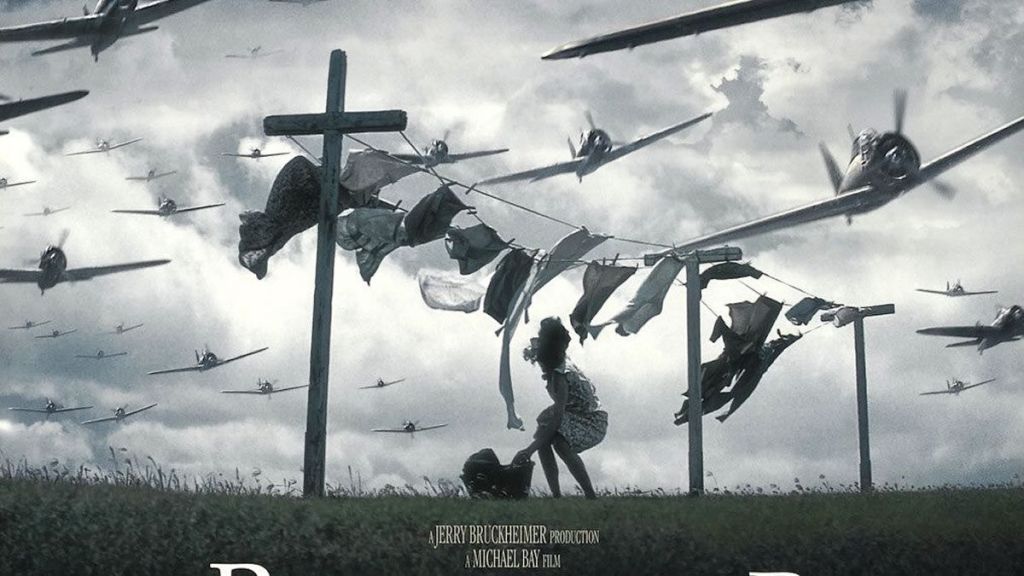
The poster for Pearl Harbor. I would guess that the cross there is not accidental. This expensive cinematic spectacle was purchased at the cost of giving the US military full censorship rights over the script. Bay would do the same thing with Transformers.

But the military censors seem to have been less aggressive seventy years ago! It’s striking that even in 1953, in an atmosphere still reeking of McCarthyism, Hollywood was able to make a movie that was critical of the US military. In the year 2001 the best the US film industry could cough up was Pearl Harbor, a story that not only portrays the US military as spotless, but celebrates the bombing of civilians. And even at that, they still didn’t get the right aircraft carrier.

Image

Abyssinian victory

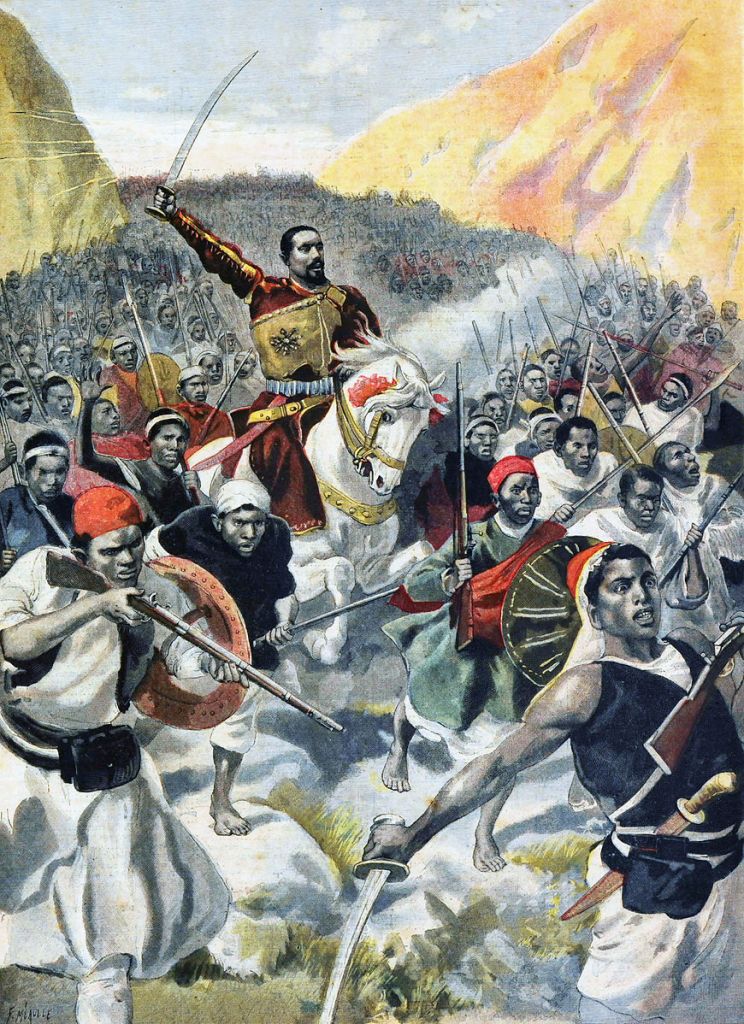
The Battle of Amba Alagi (1895), during the First Italo-Ethiopian War, depicted in the French paper Le Petit Journal. The Ethiopian (Abyssinian) forces won this battle and would ultimately win the war against Italy. At a time when imperialism was dominant throughout the world, this was a rare victory over a European power. The awesome-looking leader on the white horse is Ras Mekonnen.

Readers who are better-informed than me can, I hope, comment below: is this picture accurate, or is it drawn mostly from the imagination of some French artist working to a Sunday paper deadline?