The podcast is back, continuing the audio version of Revolution Under Siege. This time, no automated voice: I’m narrating it myself. Available on Google Podcasts, Spotify, and soon Youtube.

The podcast is back, continuing the audio version of Revolution Under Siege. This time, no automated voice: I’m narrating it myself. Available on Google Podcasts, Spotify, and soon Youtube.
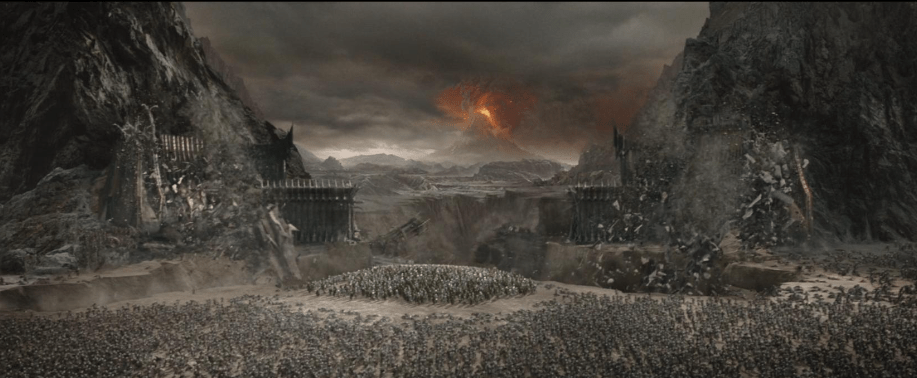
This bit wasn’t in the books.
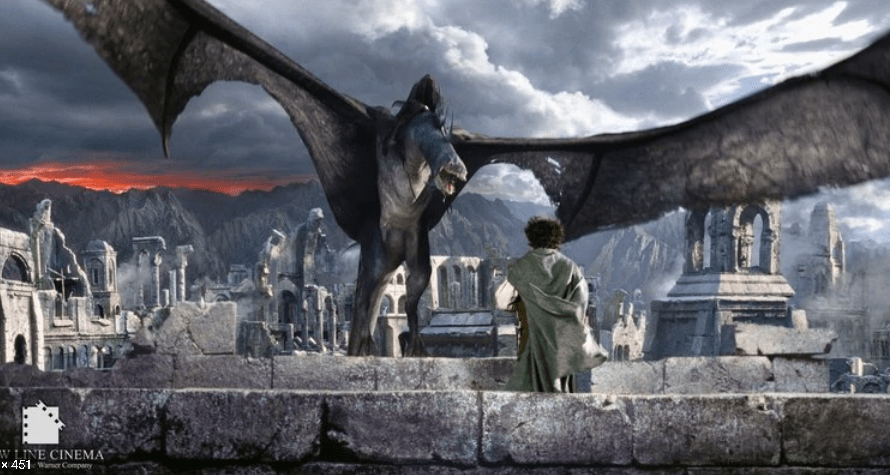
Neither was this.
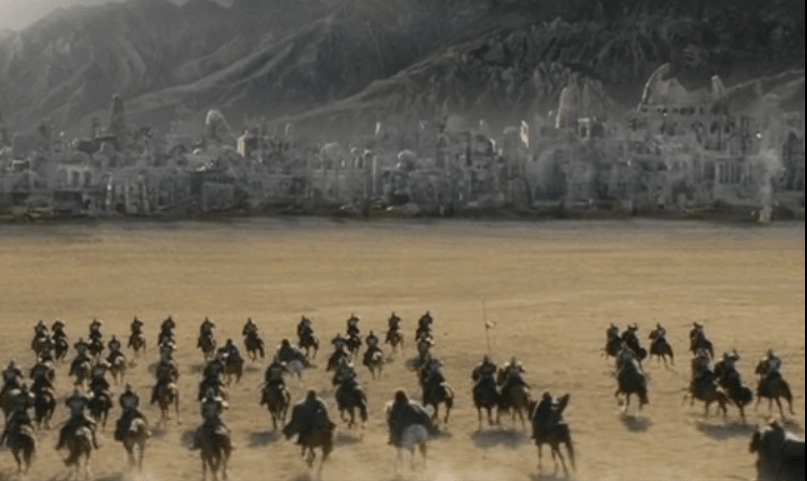
Or this, or this, or this.
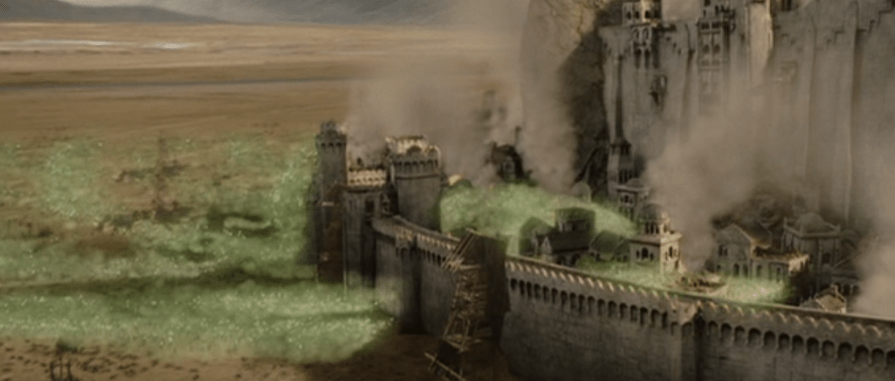
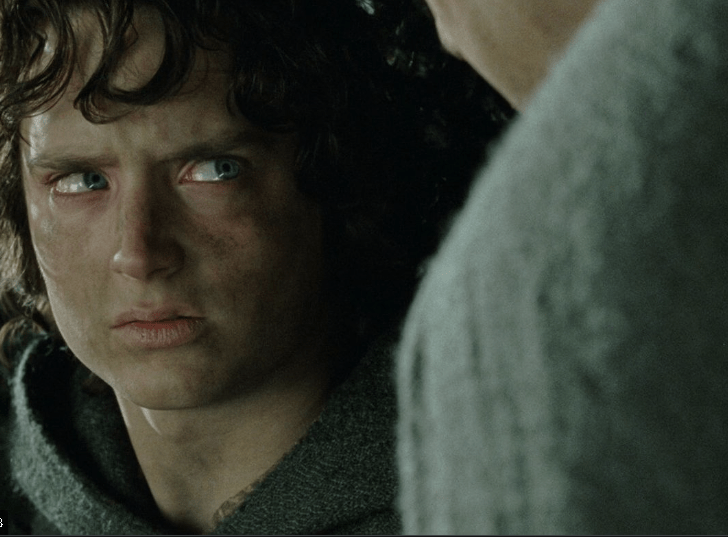
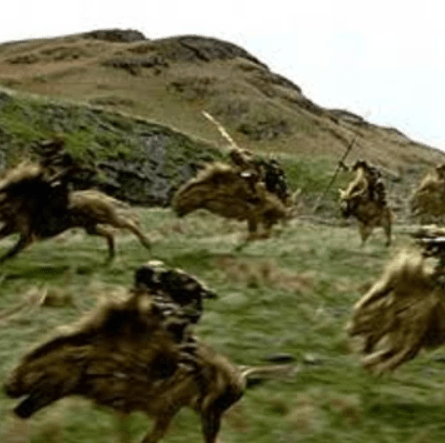
Or Legolas being a ninja, or jokes about ‘dwarf-tossing.’
In the books, there’s an incident where an evil oak tree eats several hobbits. They left that bit out. They cut Tom Bombadil, Goldberry, the Old Forest and the Barrow-Wights. Twenty years pass between the birthday and the big quest. Frodo is 50. They compressed all that just a little.
They cut the hobbits singing in the bath. In fact they cut nearly all the songs, and most of the twee hobbit banter.
They dramatically simplified the big battles, and dramatically expanded the smaller-scale fights. They added little side-adventures and contrived arguments.
They turned ‘the fellowship ran down a flight of stairs’ into this.

And nobody really minded. It was mostly great.
Now,
Take a deep breath.
Because in 2022, in the TV show Rings of Power,
They gave speaking parts to 3 or 4 black actors,
…and suddenly a lot of people on the internet were very worried about ‘staying true to Tolkien’s vision.’
Funny how that was the deal-breaker!
Not this,
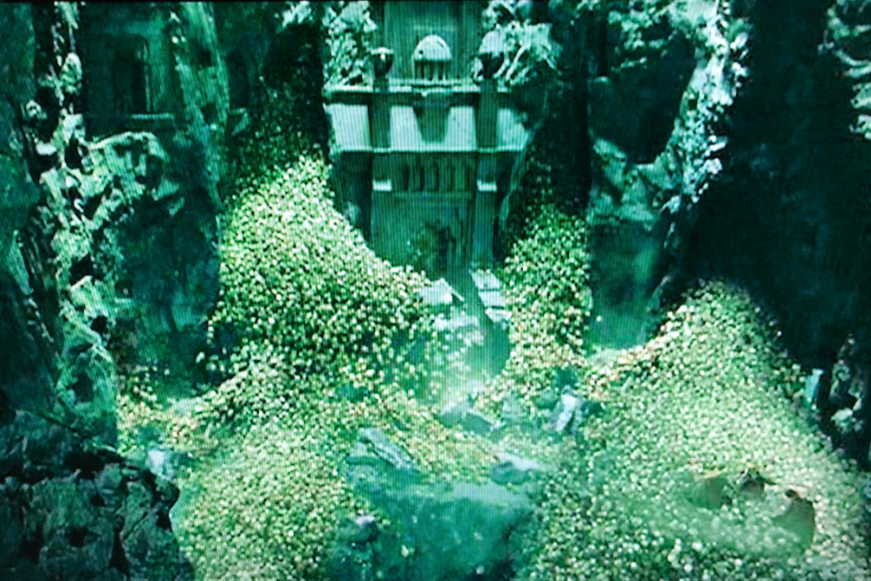
or this,
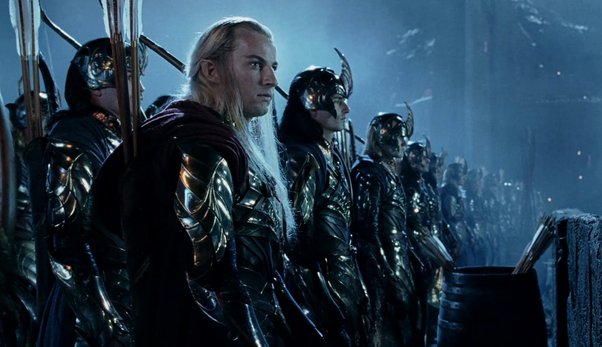
or this,
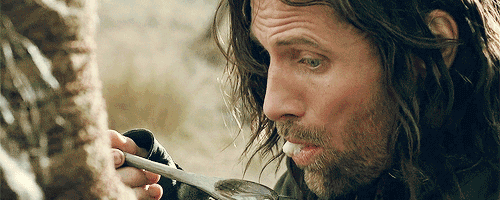
or this.
A screen adaptation that was ‘true to the spirit of Tolkien’ would have a lot more sing-songs in the bath, chipper hiking dialogue and obscure melancholy poems. The camera would linger for hours on trees and shrubs.
There’s every reason to have a diverse cast in Middle Earth. Tolkien described characters as ‘dark’ or ‘ swarthy’ in almost every chapter (good guys are usually dark, bad guys are swarthy. And yes, they’re all guys).
And if, just for the sake of argument, he did write, ‘by the way, categorically, none of these people were black’, why should we care 70 years later? Why would you care about skin pigment, if you don’t care about the scouring of the shire, the Dúnadain, Elladan and Elrohir, Prince Imrahil, Ioreth, Erkenbrand, Ghan-Buri-Ghan, the Dunlendings..?
By the way, Tolkien was sometimes racially insensitive in his writing. There are a few features and examples you can point to. There is a preoccupation with heredity, and there is a vile phrase in Book V Chapter VI. Yes: I’m sure you’re shocked to learn that an aging English Catholic professor who was born in South Africa and wrote in the 1930s to the 1950s was sometimes racially insensitive. Though at times he was surprisingly OK.
(Those Peter Jackson movies are actually dodgier on race for their time than Tolkien was for his time).
But that is not really a ‘gotcha’ for either side in these online debates.
Because when you adapt something, you make a choice about what to focus on. With Tolkien, there are themes like compassion, redemption, comradeship, self-sacrifice in struggle, and humble people rising up to change the world; and features like invented languages and histories, melancholy hints of a deep past, tense chases and battles, fantastical creatures and places.
Then there’s the ring, which poses the question of whether you would really have the integrity to destroy some great source of evil.
The movies nailed a few of those things, and that is why nobody really minded about the skull avalanche.
You could focus on some of those things, or you could make a fetish of skin colour, as if the Lord of the Rings was just a more upmarket version of 300. Then you would be putting a minor and unattractive feature of Tolkien’s writing up on a pedestal. You shouldn’t worship Tolkien, but if you insist on it, don’t be worshipping his backside.
And don’t be a racist, but if you insist on it, you’re not fooling anyone by pretending it’s about pious respect for a mid-century Oxford academic. If he could see us, or any of the screen adaptations, he’d tell us all where to get off.
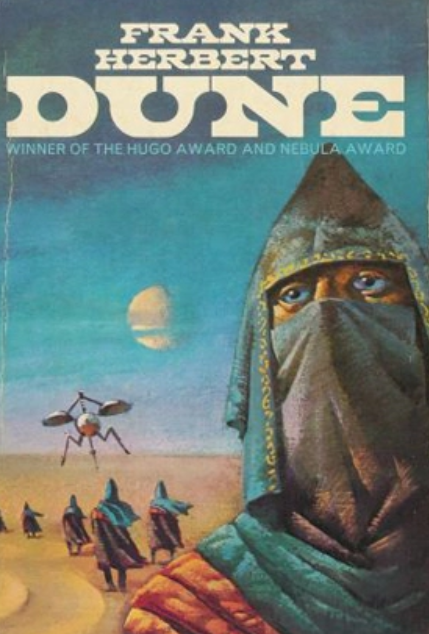
When it was briefly mentioned on The Mindy Project, it was described as (something like) ‘That book that every guy loves for some reason.’ I read Dune at age 15. The years passed and I forgot some of the details of the story, but it held on in some remote sietch in the back of my mind, from which echoed phrases like Gom Jabbar, Muad’Dib, Kwisatz Haderach; mantras like ‘Fear is the mind-killer’ and ‘Who controls the spice controls the universe.’ The recent film captured some of that hypnotic power, and gave me an urge to visit that strange place again.
Re-reading it was a trip. Here are some things that struck me. In each case I was left wondering, ‘How does the novel get away with that?’
There is no scene of space travel in Dune. A chapter on planet Caladan ends; the next chapter begins with the characters literally unpacking their bags on planet Arrakis. The author Frank Herbert tells us that the Guild of Navigators have a monopoly on space travel, but he is not interested in exploring the technical details. He is more interested in the Guild as a political force. Therefore, unlike both of the movie versions, the space travel happens off-screen. It’s a bold move but it works. It brings focus to the story.

In the early pages we are immersed in a kind of Renaissance space feudalism. It’s all nobles having conversations in palaces; it really shouldn’t be so interesting. I don’t think space capitalism, let alone space feudalism, is plausible. There are books I’ve abandoned because there were too many nobles, too many palaces. But somehow Dune gets away with it. It confronts us with a world that runs on its own rules, and doesn’t care what we think of it. Its people are medieval in outlook, and they don’t make any effort to relate to us on our terms. Not only do these people all do drugs, drugs are at the very the centre of their society. They have slaves, they hold entire planets as fiefs and some of them have psychic powers.
In short, Herbert doesn’t try to meet us half-way. We must either dismount from the great sandworm that is this book, and watch it slither away into the distance wondering to what fascinating places it might be going, or else cling to it stubbornly in spite of its efforts to shake us off.
By the way, I was converted to the idea of space feudalism being plausible. Humanity expanded across the stars, but suffered some kind of social and cultural catastrophe as a result. Their machines advanced to the point of being dangerous, so they waged war on the machines in the Butlerian Jihad. Feudalism didn’t bring humanity to the stars; humanity, having reached the stars through some advanced social system, reverted to feudalism, a feudalism modified with the remnants of the technology built up in ancient times.
But I wouldn’t have read on for long enough to care about the Butlerian Jihad unless the foreshadowing was laid on thick. The switches between different characters and their points of view, the dense undergrowth of exposition – these are not fashionable in sci-fi/ fantasy writing today. But anyone who notices these unfashionable features and concludes that they are dealing with a clumsily-written book is mistaken.
When we ‘observe the plans within plans within plans’ we begin to wonder how these plans (within plans within plans) will work out. The story does not go from A to Z, from safety to danger. It goes from Y to Z, from less extreme danger to more extreme danger. We know the Harkonnens are going to attack. The Atreides know it. If they didn’t, the book and its sympathetic characters would be very irritating. We know Yueh is a traitor; if we didn’t, the revelation would be a pretty limp and predictable twist. We are not waiting to see if this Jenga tower will come down. We are waiting to see how.
While we are waiting for the Harkonnens to strike, we get sucked into the Duke’s administrative and political problems in a way that lulls and distracts us.
The writing and worldbuilding are open to criticism in places. I didn’t like how squeaky-clean and wholesome the Atreides were. ‘Good nobles’ vs ‘ bad nobles’ – come on. They’re an unelected ruling class who think they’re better than us. They’re all degrees of bad.
There’s a whole double-bluff intrigue where the Duke is pretending to be suspicious of Jessica. This is a tedious sub-plot, totally far-fetched. It’s just conflict for the sake of conflict. The book would be better without it. The mentat Thufeir Hawat is closely connected with this plot, but all in all I don’t see what he brings to the table. I think the book would pack a heavier punch if this sub-plot was gone and this character stripped back 90% or so.
Paul is 15 but completely devoid of horniness or sexual neuroses; in the banquet scene, an attempt to seduce him falls flat. This is no doubt because of his Bene Gesserit training. But the repressed sexuality is central to the story. It’s more obvious to my grown-up mind that the sandworms are basically big dicks. And to paraphrase the book, who controls the big dicks controls the big dick energy. After Paul learns to harness and steer the big dicks, the climax of the story soon follows. Sorry for saying climax.
How does Frank Herbert get away with this insane sexual imagery? It’s even more obvious than King Solomon’s Mines. But it works because the sandworms work on their own terms. Arrakis without them wouldn’t be the same. Herbert doesn’t give a damn about space travel, but he cares about ecology. He reveals how this ecosystem works, and it is not a lecture we endure but a story mystery that is very satisfying to engage with and to solve.
Speaking of Paul, even as a young reader I never quite liked him, and I never thought he was a good person. I rooted for him, and was invested in him. But I didn’t like him. He wrestles with his ‘terrible purpose’ and his visions of jihad for most of the story. As we read on, it becomes clear that is the story about the rise of a vast and terrible historical figure. It’s visible from the start, but the shock of the Harkonnen coup shakes something loose in him. As readers we come to respect the Fremen, but Paul is deceiving and manipulating them. Near the end (page 504) Gurney reproaches him when he reveals that he doesn’t really care about those killed in the final battle. He doesn’t care much about his murdered son either. And around the same time he finally embraces his ‘terrible purpose’ of galaxy-wide jihad; in his view there is no other way to cleanse the stagnant social order. The upheaval of the jihad will put a mixing spoon into the galactic gene pool and give it an almighty stir. This is the way he sees the world.
The unsettling presence of Paul’s little sister Alia is significant; he is only a little bit less weird than she is.
I haven’t read the sequels; I have been discouraged by some who have. What’s more, I consider the story complete and self-contained. It’s obvious to me that Paul is on track to become a genocidal god-emperor. There are no narrative questions left to answer.
The book suggests that Herbert does hold some beliefs that are repugnant to me: in the efficacy of eugenics, and in deep, inherent differences between men and women (‘takers’ and ‘givers’). He is cynical about humanity and believes that we will always be in thrall to religions and monarchs. But it seems clear enough that Frank Herbert doesn’t approve of Paul’s ‘terrible purpose’ or of the Bene Gesserit and their biological intrigues.
The ‘white saviour’ stuff is pretty blatant; Paul joins the Fremen and two years later has risen to be their messiah. This clearly takes inspiration from Lawrence of Arabia, and went on to inform Jon and the Wildlings, Dany and the Dothraki, etc.
With the Fremen, the Muslim coding is not just heavy but overwhelming. I didn’t see any problem with this when I was 15. But there was something more positive that I didn’t see either: that this is a text about the anti-colonial revolutions of the 1950s and 1960s. The Muslim stuff could be read as a tribute (perhaps a clumsy one) to the anti-colonial struggles of the Arabs, the Algerians, the Libyans. In fact the wikipedia page tells me it was also inspired by struggles of Caucasian Muslims against Tsarist Russia (hence, no doubt, the presence of a baddie named Baron Vladimir). The new film version appears to be leaning into this reading.
As an experiment, try to describe Dune in bald terms. It’s about a teenager who vanquishes his enemies and becomes emperor of the galaxy by convincing native people that he’s their god and by harnessing the power of huge phallic monsters.
When you put it like that, it actually sounds embarrassing.
What rescues Dune from being ‘That book that every guy loves for some reason?’ What raises Dune above the level of a basic power fantasy?
First, the world and the hero are so strange. Neither invites you in. You are forced to approach as a stranger. Paul is not the avatar for your fantasies; you end up walking many miles in his stillsuit, but you are never at all comfortable in it.
Second, it’s primarily a story about ecology and religion, not violence. It’s a story that forces us to pay attention to things we take for granted in life, such as water and faith. The indigenous people, taken for granted above all others, turn out to be the key not just to Arrakis but to the universe. It’s a book that humbles the reader, that confronts the reader with vast superhuman forces.
Last, it forces to reader to consider the cost of power. The more Paul masters these forces, the more alienated we are from him as a character. The Fremen are liberated, so it’s a satisfying ending. The ‘plans within plans within plans’ produce the most terrible blowback – for the Emperor, for the Harkonnens, for the Bene Gesserit. But Paul has reached a place where he is both all-powerful and inhuman. The worst blowback might be for the billions of innocents who will die in his jihad.
Everything feels earned. It feels earned because the desert exacts a terrible price for every blessing it gives, and there are no happy endings in this social order.
A note on Dune and videogames.
Dune 2 was the first strategy game, and it adapted straight from the novel a model of resource-collection that went on to exert a huge influence. There is a single resource, the spice, which lies on the surface of the ground. It is collected by huge harvesting vehicles. In Command and Conquer, the spice became tiberium, which has its own interesting back-story but is functionally identical, with the big harvesting vehicles and all. In the Red Alert spin-off, the spice appears in an alternate-history Cold War setting as Ore, a single one-stop-shop resource. Armies supply themselves by mining this resource on the battlefield. Helpfully, it is spread in pockets evenly across the surface of the earth from Manhattan to the Siberian taiga.
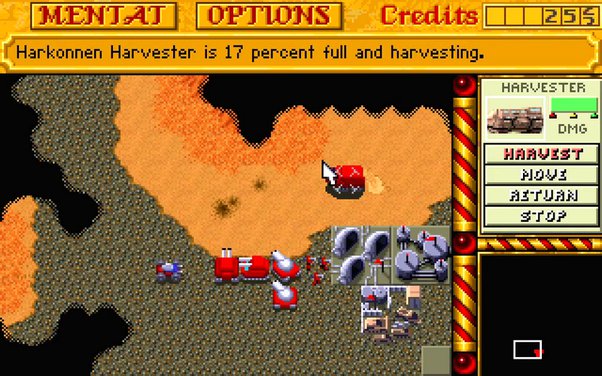
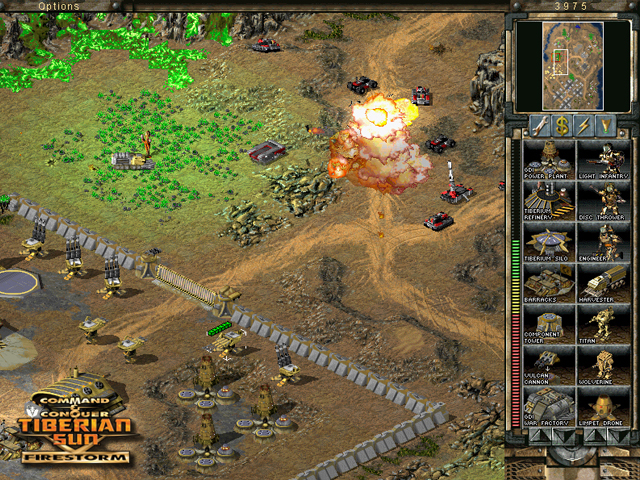
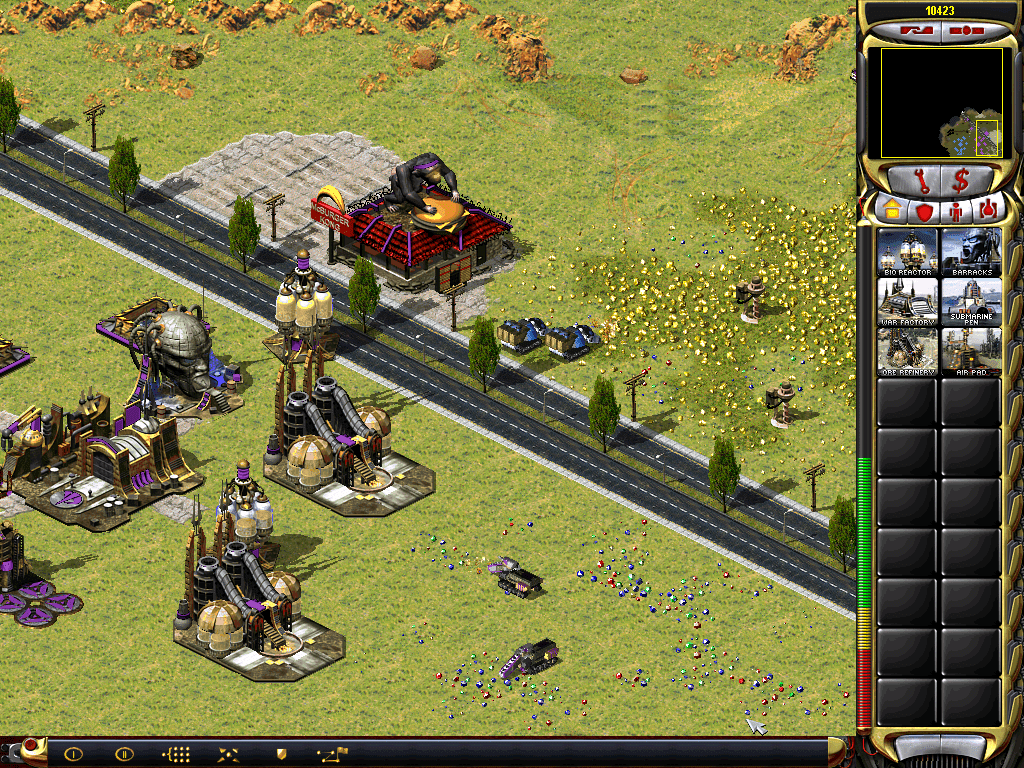
So when Frank Herbert wrote about spice-harvesting in the early 1960s, he was creating a model which videogame developers would still be using in the 21st century. It was such a useful model for gaming that the plausibility of the game world of Red Alert was stretched to the limit just to accommodate it.
Ta mé tar éis trí nó ceithre billeog a chur leis an méid a chur mé anseo an seachtain seo chaite.
On March 17th Bono wrote a poem about the Ukraine war. Without even proofreading it, he sent it to a top US politician, and she read it out at a public gathering. Then he decided to post it on Twitter,
‘It wasn’t written to be published, but since it’s out, here it is,’ he tweeted. No, he didn’t want it to be out. He just sent it to a luncheon involving top political elites in the most powerful country in the world.
The poem was so bad it was a shock to the senses. But now that a few weeks have passed we should take a closer look. What are the specific features that make it so bad?
Usually poems weave in symbols and imagery and metaphors. For example, a poem about a vicious invasion might use snake imagery to signify evil. It might weave the metaphor into various vivid images.
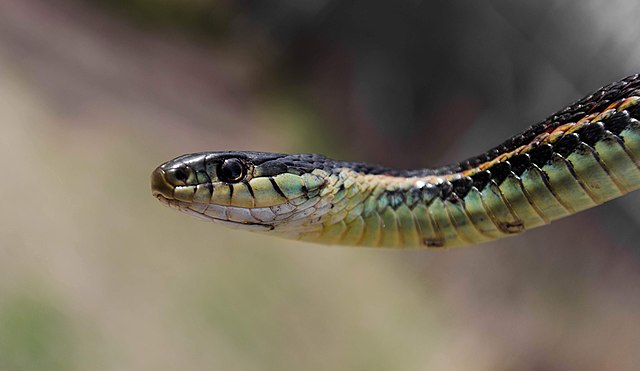
Instead of doing that, Bono simply tells us what his poem’s symbol is: ‘For the snake symbolises/ An evil that rises…’
From this we can surmise that if Bono had written ‘The Road Not Taken’ he would have begun, ‘A fork in the road symbolises a major life choice…’
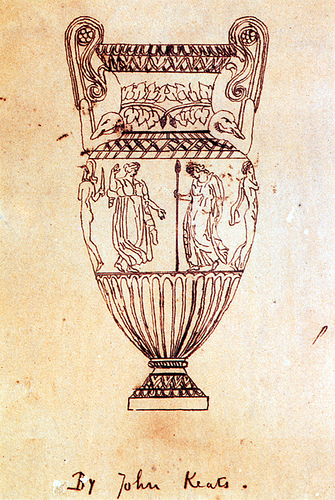
But that’s not quite it. We need more comparisons to really do it justice. If Bono had written ‘Ode on a Grecian Urn’ he would have begun, ‘This Greek vase is a symbol of stuff not getting old.’
How are we to read the line ‘Ireland’s sorrow and pain/ Is now the Ukraine’? It seems that he’s saying Ireland had sorrow and pain in the past, and now Ukraine is getting a taste. As if Ukraine was some kind of bucolic hobbit village during the twentieth century – as opposed to a land ravaged by two world wars, famine, terror, the Nazi Holocaust, nuclear disaster and looting by oligarchs.
In this poem, Bono responds to the horror in Ukraine by talking about Ireland. There are grounds for empathy in our shared history of national oppression. But can’t Irish people engage with global events with a bit of taste, without making it all about us?
Let’s repeat that phrase; ‘Ireland’s sorrow and pain/ Is now the Ukraine.’ Sometimes in long complex sentences, we mistakenly switch between the singular and the plural. But what excuse does Bono have here, in a phrase eight words long?
Even if he had written ‘Ireland’s sorrow and pain/ ARE now the Ukraine,’ what would that phrase even mean? I struggle to put it into words. Our emotions have been transferred to another country? …have been transformed into another country?
An updated version of the poem reads ‘Ireland’s sorrow and pain/ Is now in Ukraine.’ Did we put our sorrow and pain on a container ship and send it over to the port of Odesa?
‘And they [saints] struggle for us to be free/ From the psycho in this human family.’ Us? But Bono is already free from Putin! Putin doesn’t control any territory in which Bono or his offshore money reside.
‘For the snake symbolises/ an evil that rises/ and hides in your heart/ as it breaks.’ What does this line mean? You, Nancy Pelosi and a bunch of US politicians, have got evil hiding in your heart. I’m not entirely sure that’s what Bono meant to say. And what’s this about hearts breaking?
All these musings are a waste of time, because later we are told that ‘the evil has risen my friends [sic, no comma] / From the darkness that lives in some men.’ All of a sudden, the evil is not something that rises in the hearts of Bono’s heartbroken friends in the US political elite. It is an outside force that threatens us. From context we can guess that it is Putin.
More examples of this incoherence are nailed down here.
When the poem is coherent, it is usually not saying anything worth saying.
What does itactually say about the war in Ukraine? Only that from time to time ‘sorrow and fear’ come along, because of evil. In this poem, evil is a category which includes (presumably amongst other things), paganism in Fifth Century Ireland and the Russian invasion of Ukraine. But evil no longer hides in Nancy Pelosi’s broken heart. The source of the evil is now ‘the darkness that lives in some men.’
How unfortunate that darkness lives in the hearts of some men. If only it had taken up lodgings in some more convenient place. Then this war wouldn’t have happened.
When the poem is coherent and not banal, it’s absurd.
It is entirely possible to write a poem paying tribute to the armed resistance of the Ukrainian people and to the resilience of civilians and aid workers under the bombs. But Bono does not go down that route; instead he singles out the politician who happens to be in charge of Ukraine at this time, Volodymyr Zelenskyy. And not only does Bono praise this politician, and not only does Bono compare him to St Patrick. No, at the end of his poem Bono says that Zelenskyy is Saint Patrick.
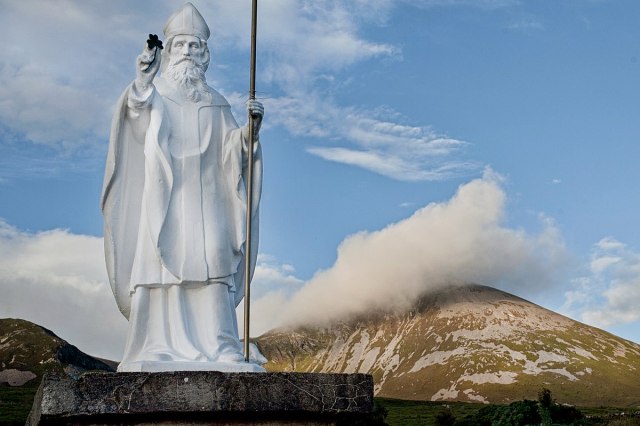
So St Patrick was personally brave. And yes, it appears Zelenskyy is also personally brave. But there the similarity ends, because (A) St Patrick was never an actor. And (B) he didn’t have a Neo-Nazi paramilitary group on his payroll.
But even if the comparison fit… So Putin is a snake and Zelenskyy is Saint Patrick. Zelenskyy is banishing Putin. But… why? Why say this?
In his tweet Bono explains that every year he sends a funny limerick to US politicians for their St Patrick’s Day luncheon. As you do.
This year, he explains, instead of sending a cheeky little rhyme, he felt compelled to send a serious and heavy limerick. Yes, a heavy limerick. Because this year things are different. There’s a war on. People are dying.
Not like all those other years, when there was no war on and nobody was dying. And if there were any wars happening, the US politicians who chuckled at Bono’s funny Irish limericks certainly had nothing to do with any of those wars.
But even leaving all that aside, maybe you shouldn’t write a limerick about a war. Maybe you shouldn’t try to discuss the nature of evil in a limerick. You see, the limerick genre has certain limits.
But as Bono admits, it’s an ‘irregular’ limerick. You can say that again. Limericks are disciplined, with a tight rhyming scheme and rhythm.
For example, ‘There once was a singer from Dublin/ Whose tax situation was troubling…’ etc.
Limericks have to scan well, or else they sound contrived. And they are short, like five lines.
When I first read Bono’s poem, it scanned so poorly I didn’t even realise it was a limerick. There were words that I didn’t realise were supposed to rhyme with other words. I only learned that it was a limerick because Bono said so. Then I went back and read it in the sing-song jokey rhythm of a limerick. It sounded so much more tasteless and bizarre. In other words, it’s not an irregular limerick, it’s an atrocious limerick.
If Bono had written something like the following, it wouldn’t have been quite as bad:
A snakey old psycho named Putin
Escalated the bombing and shooting
But Zelensky had tactics
Because he is St Patrick
And so for Ukraine I am rooting.
It’s absurd, offensive, tasteless, baffling. But it’s brief, and it’s actually a limerick.
And it says everything Bono takes fifteen lines to say. That’s it. All the essential points are there. But to create the impression that he’s saying something deep and heartfelt, he ties the poem up in knots with vague phrases that mean nothing. He does not succeed in covering up his poem’s essential banality and absurdity, only in adding a layer of incoherence.
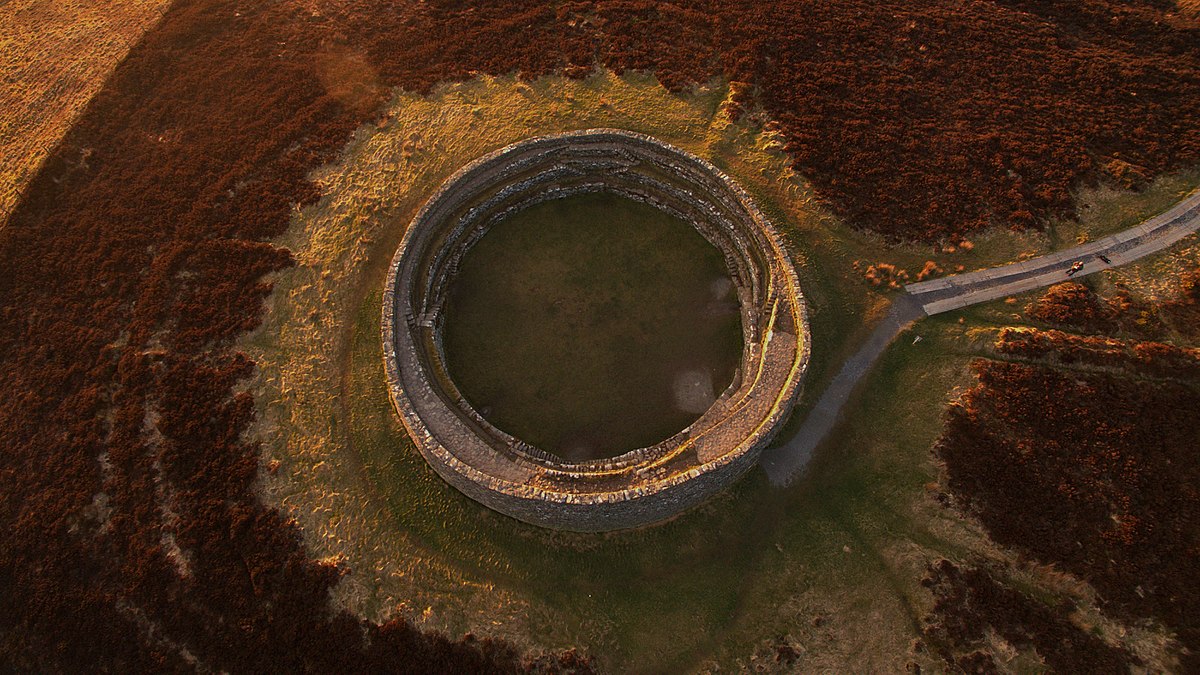
March 26th will mark one year since i launched The 1919 Review. I want to mark the occasion by offering some advice for beginner bloggers.
1. Blogs Snowball
I had an old blog which I approached with zero plan or consistency, but on which I threw a lot of varied stuff over 5+ years. I have not posted on it since 2015. Somehow in spite of this complete neglect its View Count and Visotor Count coasted along with a combined 6,000 visitors in 2016, 2017 and 2018. It took years for engagement to fall away. Even now it’s a rare week the old blog doesn’t get 20+ views. For a lot of last year, the old blog was doing better than The 1919 Review!
There’s some good stuff on that blog and I’m happy people are still reading it. But my point is this: blogs snowball. Through some mysterious process, they develop a momentum of their own.
So…
2. Keep at it and be consistent
I launched The 1919 Review with a budget of zero but with a bit more planning and determination than I had put into previous projects.
For months, it got practically no views or visitors unless I shared something on social media. The base line default was zero.
One year on, the blog has organic reach. Social media shares generate a spike of views and visitors, of course, but now I have a steady base line of engagement between shares.
It might be the subscribers I’ve built up. It might be that, having built up a certain volume of posts, I’m casting the net wider on search engines. Unless it’s just some inscrutable trick of the algorithm that governs the WordPress Reader feed, it must come down to this: the blog has organic reach because I posted religiously once per week for a year.
3. Use social media
For me, this means Facebook; I don’t really use the others. I’m not a big fan of Facebook, for all the usual reasons, but I still use it every day, again, for all the usual reasons.
One good development over the last few years has been the culture of well-moderated and pleasant public and private groups. It is through sharing posts in such groups that I got some of my biggest spikes in engagement.
Be a member of the group for a while before posting your own stuff, and meanwhile contribute in other ways. Give more than you take. Before you self-promote, read the room and take a look at the rules.
4. Make a podcast
I linked in with Anchor and Youtube to make a very basic, rough-and-ready audio version of my series Revolution Under Siege. It’s not somewhere I expected to go, and it hasn’t brought massive traffic, but it was a lot of fun and it has potential.
5. Savour the little victories
Cut your cloth to measure. With no promotion budget and with many other commitments in my life, it was out of the question that I would be marking big victories and breakthroughs in the first year of The 1919 Review. But I hit every target I set myself, and that feels good. Celtic Communism and Sláine were the biggest hits of year one.
Rather than my usual rule of once per week, I’ve posted three times in the last few days. This is because I’ll be away from tomorrow until April.
Until then, thanks to all my readers, subscribers and sharers.
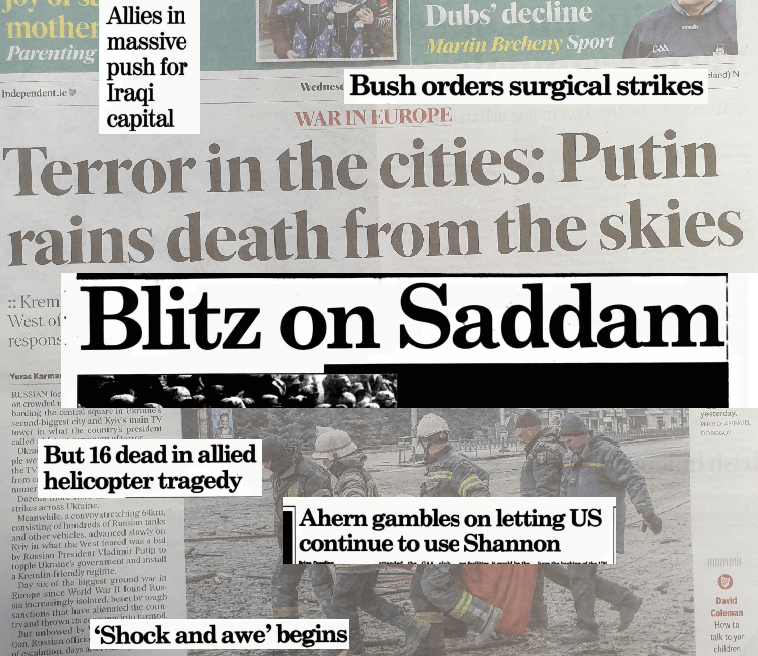
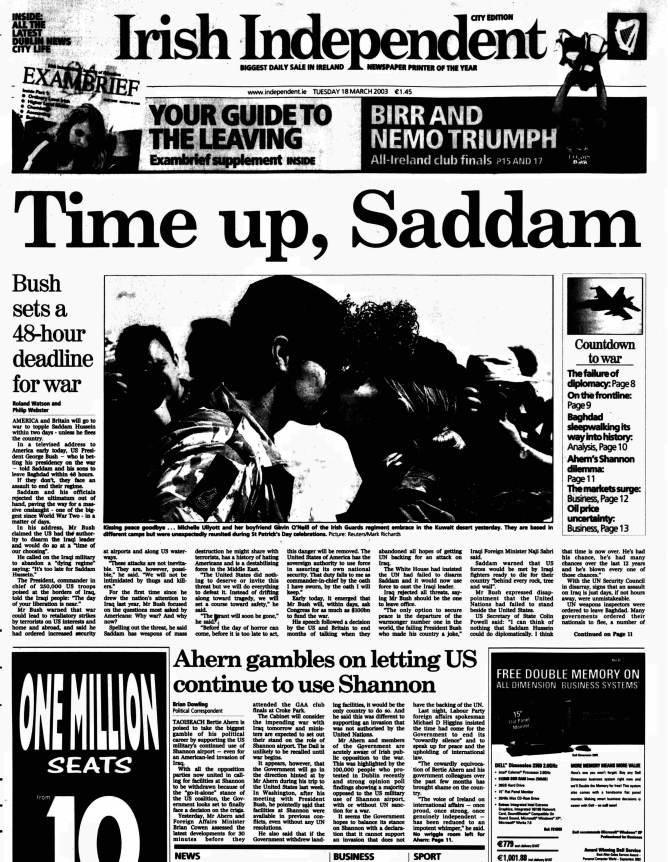
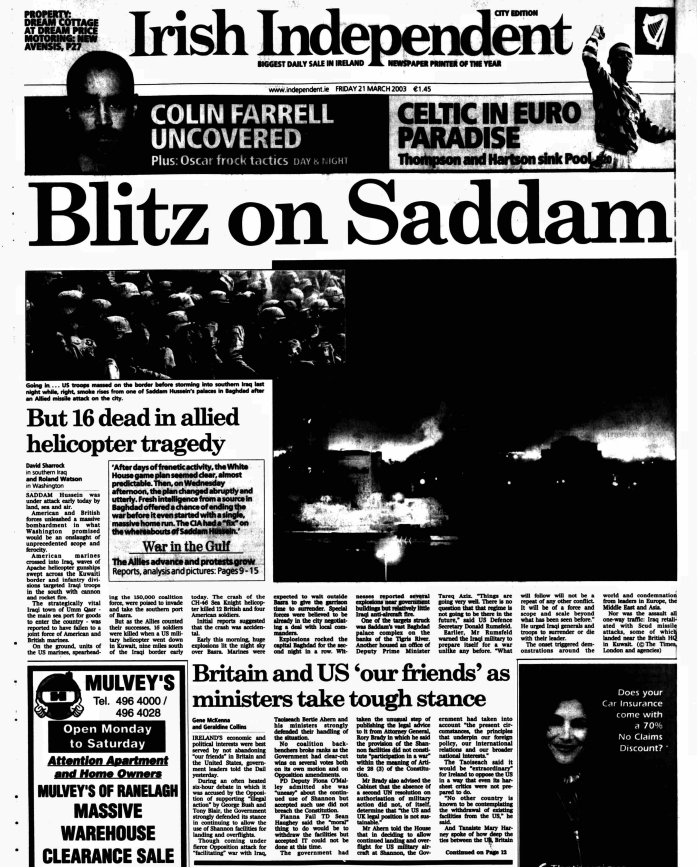
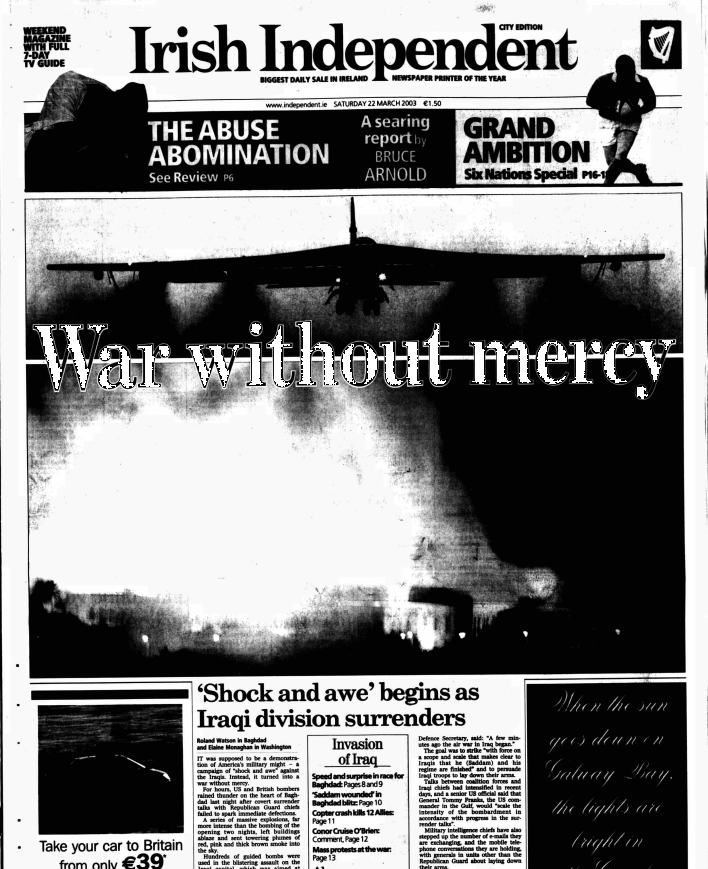
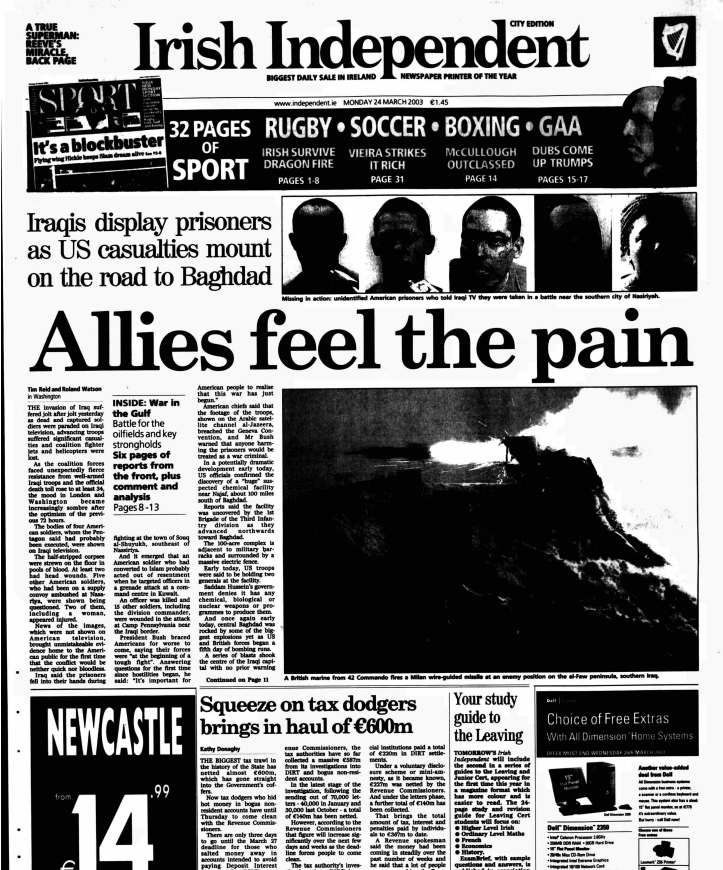
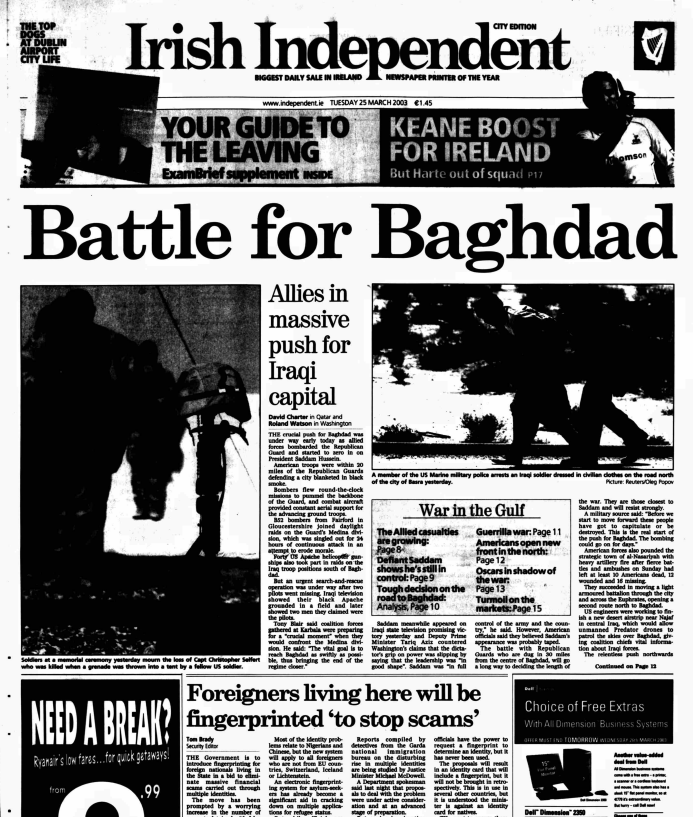
In 2003 the United States government and its allies invaded Iraq in a war of aggression. Within 3 weeks, over 3,000 civilians had died under the bombs, and twenty years later Iraq has not recovered and no US official has been held accountable.
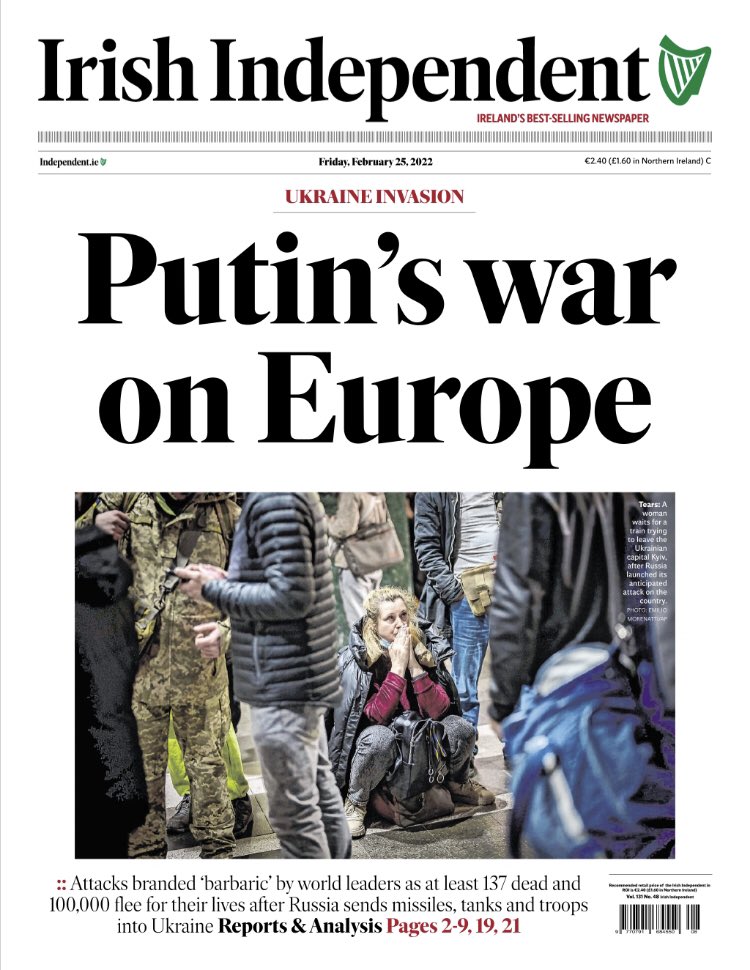
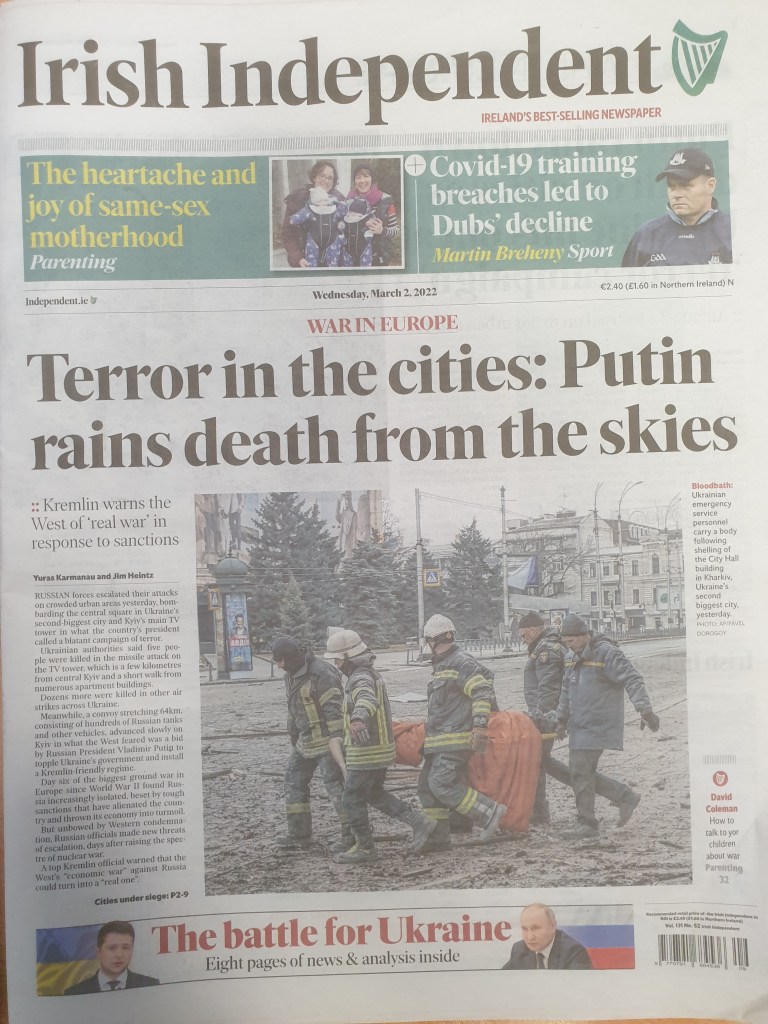
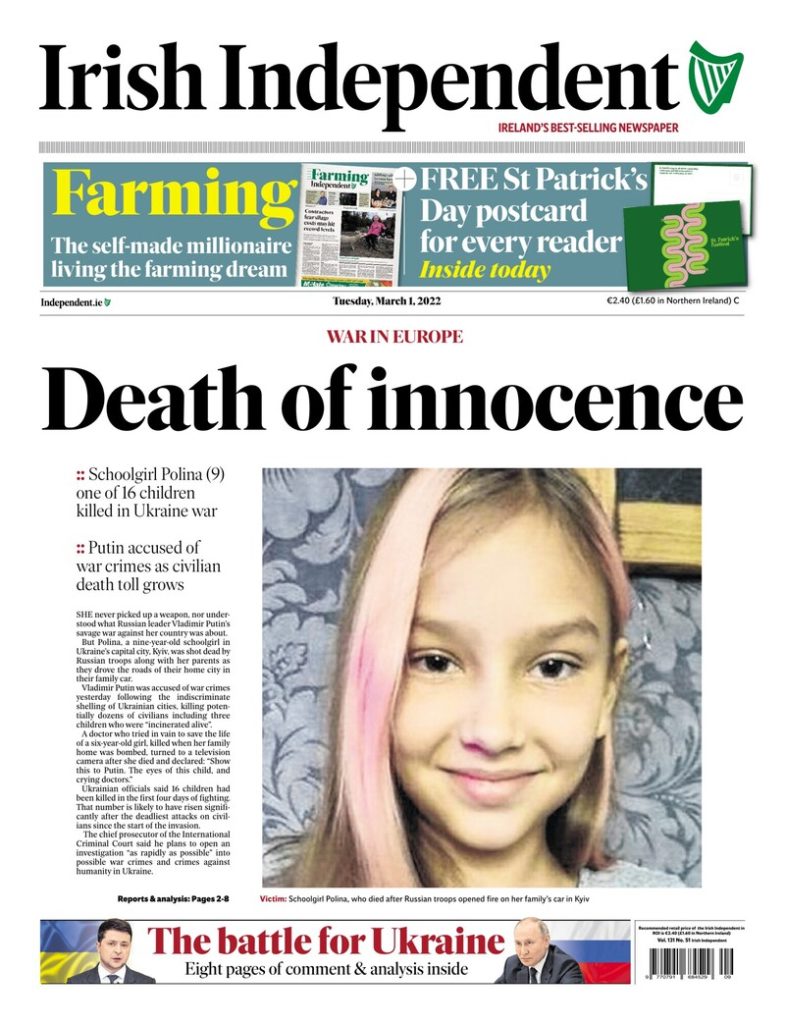
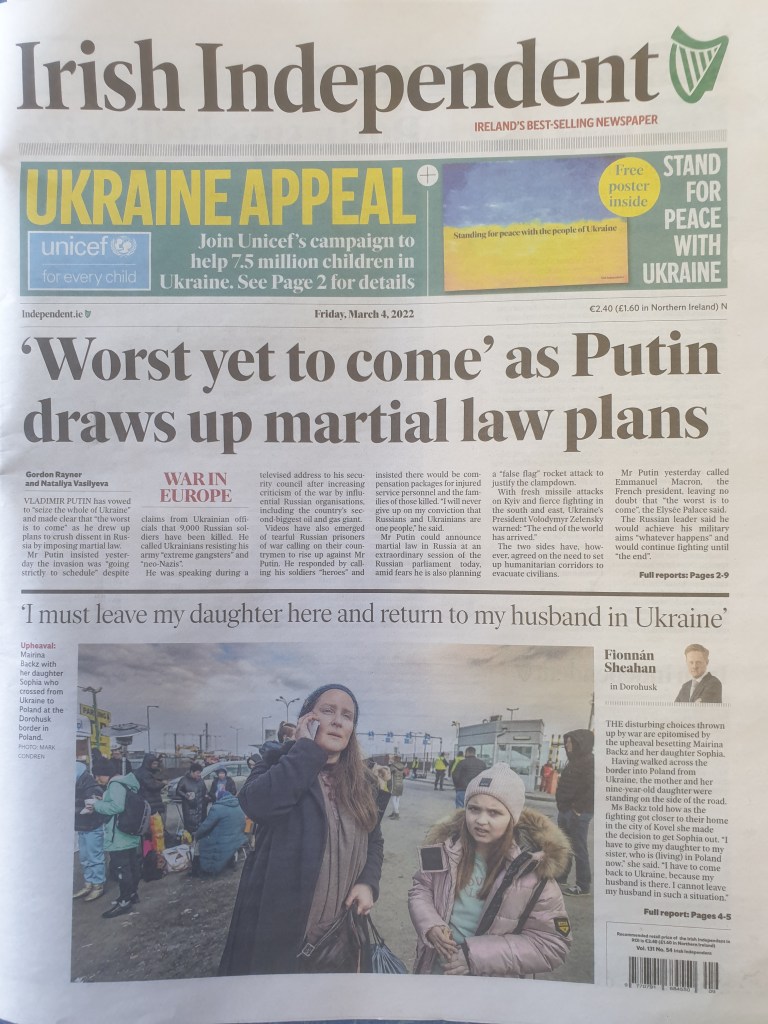
In 2022 the Russian government invaded Ukraine in a war of aggression. Currently the war is assuming the form of terrible sieges of Ukraine’s major cities. The death toll so far is unknown but around 1 million have already fled the country.
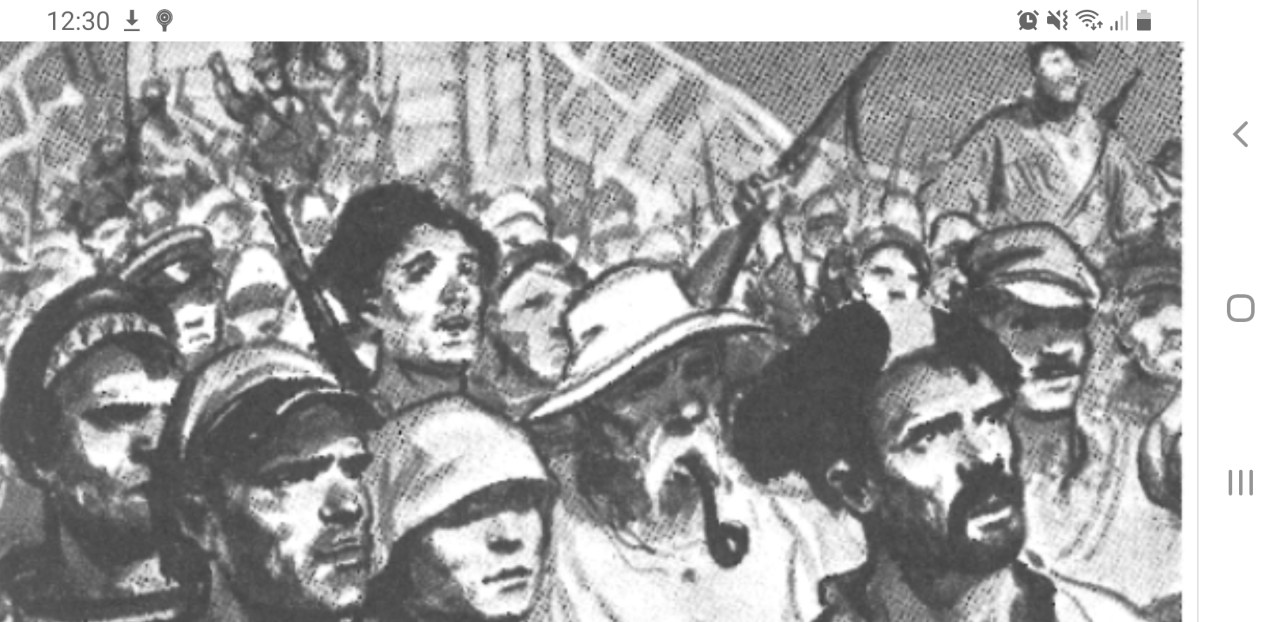
But newspapers did not cover the two events in quite the same way. That’s putting it mildly. I live in Ireland, so here are the headlines I’m seeing from our biggest newspaper. Here are five front pages each from the first week or so of the Iraq War (March 2003) and of the Ukraine War (Feb-March 2022). No further comment from me. The bias speaks for itself.


This is an Appendix post to Revolution Under Siege, my series on the Russian Civil War.
This post started life as a (terrible) idea for a drinking game. Read or listen to my blog and drink any time you come across
a) A White leader whose name starts with K
b) A Red leader who was later killed by Stalin
When you’re reading any account of the Civil War, the phrase “…who was later killed by Stalin…” is a repeating motif. On rare occasions, like the case of Semyonov, this refers to a White leader. But nearly all the time it refers to a Red.
Hence the title.
But instead of inventing the least funny drinking game ever, I went back through all the posts from Series 1 (covering 1918) and made a list of every named individual who supported the Red side. Some are people I spent a whole chapter talking about, others accidental mentions in the captions of photos, others still the authors of sources.
For each one I asked, ‘What happened to them? How did they die?’
This graph was the result.
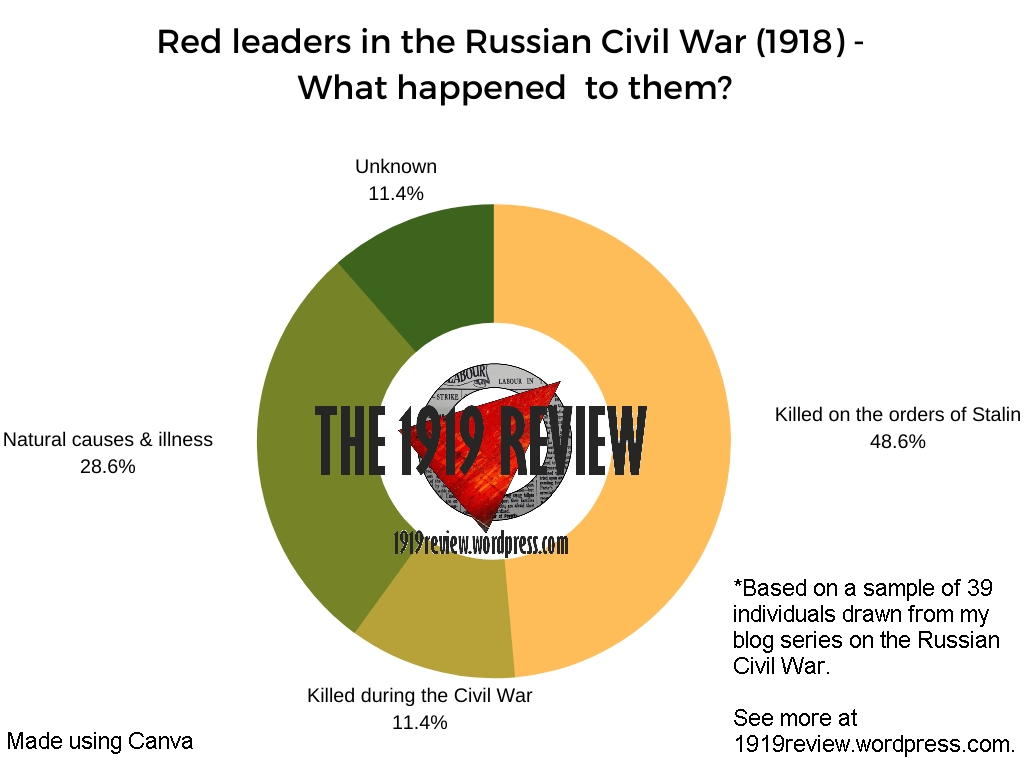
The graph is based on 39 people. It counts all Red supporters mentioned during Season 1 – so, Reds who were prominent during the year 1918, plus a scattering of accidental figures. There will be omissions, but it is broadly representative. I have in no sense deliberately weighted this sample so as to make Stalinism look bad. I could have weighted it far further in that direction without stretching credibility. For example, I have included Adolf Joffe under ‘Natural Causes or Illness’ even though his suicide was triggered by the persecution of the Left Opposition by the Stalin group.
So that you can see for yourself, here is the full list.
1. Alexander Serafimovich (Author, The Iron Flood) – Natural causes, 1949
2. Kliment Voroshilov (Red commander in Southern Army Group in 1918) – Natural Causes, 1969
3. Klavdia Nikoaevna (Editor of Kommunistka) – Killed in a German bombing raid, 1944
4. Vasily Chuikov (Red Guard, later commander at Stalingrad in 1942-43) – Natural causes, 1982
5. Vladimir Lenin (Leading figure in Bolshevik Party) – Illness, 1924
6. Nikolai Andreyev (Assassin of Count Mirbach) – Illness (Typhus), 1919
7. Felix Dzerzhinsky (Founder and leader of the Cheka) – Illness (Heart attack), 1926
8. Yakov Sverdlov (Leading figure in Bolshevik Party) – Illness (Spanish Flu?), 1919
9. Larissa Reissner (Red Army soldier and writer) – Illness (Typhus), 1926
10. Josef Stalin (Leading figure in Bolshevik Party) – Illness, 1953
11. Adolf Joffe, (Leading figure in Bolshevik Party) – Suicide, 1927
12. Mikhail Muraviev (Former Tsarist officer and Left SR) – killed by Reds, 1918
13. Dmitry Popov (Chekist, Left SR, Anarchist) – killed by Reds, 1921
14. Commissar Panteleev (Involved in mutiny at Sviyazhsk) – killed by Reds, 1918
15. Fyodor Podtelkov (Leader of Red Cossacks, SR) – killed by White Cossacks, 1918
16. V. Volodarsky (Bolshevik) – killed by SR assassin, 1918
17. Moisei Uritsky (Bolshevik) – killed by SR assassin, 1918
18. Nikolai Markin (Bolshevik sailor) – killed in battle, 1918
(‘Unknown’ means ‘I was unable to find out.’ I’d appreciate further info anyone has).
19. Vakhrameyev
20. Makhrovskii (Communist imprisoned at Tsaritsin)
21. Slavin (Unable to identify with certainty the identity of this individual)
22. Mitorfan Grekov (Civil War painter) – died in 1934
23. Maria Spiridonova (SR leader) – executed, 1941
24. Alexander Shlyapnikov (Bolshevik leader) – executed, 1937
25. Lev Trotsky (Bolshevik leader) – assassinated, 1940
26. Feodor Raskolnikov (Bolshevik sailor) – probably assassinated, 1938
27. Lev Kamenev (Bolshevik leader) – executed, 1937
28. Vasily Blyukher (Red officer) – executed, 1938
29. Yakov Blumkin (assassin of Count Mirbach, Chekist) – executed, 1929
30. Jukums Vacietis (commander of Latvian Rifles) – executed, 1938
31. Bela Kun (leader of Hungarian Communists) – executed, 1938
32. Yuri Sablin (left SR and Red officer) – executed, 1937
33. IM Vareikis (Bolshevik, assassin of Muraviev) – executed, 1938
34. Andrei Snesarev (Former Tsarist officer) – died in prison, 1934
35. Pavel Sytin (Former Tsarist Officer) – executed, 1938
36. Nikolai Bukharin (Bolshevik leader) – executed, 1938
37. Martin Latsis (Either a Left SR or a Bolshevik; accounts vary) – executed, 1938
38. Mikhail Tukhachevsky (Red Army commander) – executed, 1937
39. Konstantin Akashev (Red aviator, anarchist) – executed, 1931
Listen to this post on Youtube or as a podcast
In Stephen King’s novel The Stand two new societies emerge in a post-apocalyptic USA, based on opposite sides of the Rocky Mountains. A democratic society takes shape in Boulder, Colorado. Meanwhile in Las Vegas power is seized by a supernatural madman who punishes drug users with crucifixion. Only one of these two regimes can survive.
That great, flawed horror epic comes to mind because this post is about two distinct White regimes which emerged on either side of the Ural Mountains in Russia in 1918, and how one consumed the other. As we saw in Part 5, the Czech Revolt led to dozens of White-Guard governments popping up. The Right Socialist Revolutionary (SR) party set up a regime called Komuch (the Committee of Members of the Constituent Assembly) based in the Volga town of Samara. They wanted a republican, democratic counter-revolution, with a mandate from the Constituent Assembly and all the ‘t’s crossed and the ‘i’s dotted. Meanwhile across the mountains a faction of officers and Cossacks set up the Provisional Siberian Government at Omsk, a military dictatorship with a thin Siberian Regionalist veneer.
The most important difference was that Samara was anti-landlord and Omsk was pro-landlord. They were at loggerheads on the land question.
These two regimes did not use direct violence against one another – until the very end, when the outcome was no longer in any doubt. They were supposed to be on the same side against the Reds. But relations were tense; Omsk boycotted Samara’s manufactured goods, and Samara boycotted the grain of Siberia.[i] In August the Omsk regime shut down the Siberian Regional Duma – an elected body dominated by Right SRs, of which the Omsk regime itself was an ungrateful child. Komuch was never secure even within its own territory: ‘Russian officers as well as business and middle-class circles much preferred the state-conscious anti-Communism of Omsk.’[ii] And that territory was shrinking. In a strange twist of fate, the military men of Omsk resided safely a thousand miles in the rear while the Right SRs – civilian politicians – led the regime that was actually fighting the Reds on the Volga. From early September that fight was going very badly. As we saw in Part 8, Kazan and Simbirsk had fallen, and this had thrown Komuch into crisis.
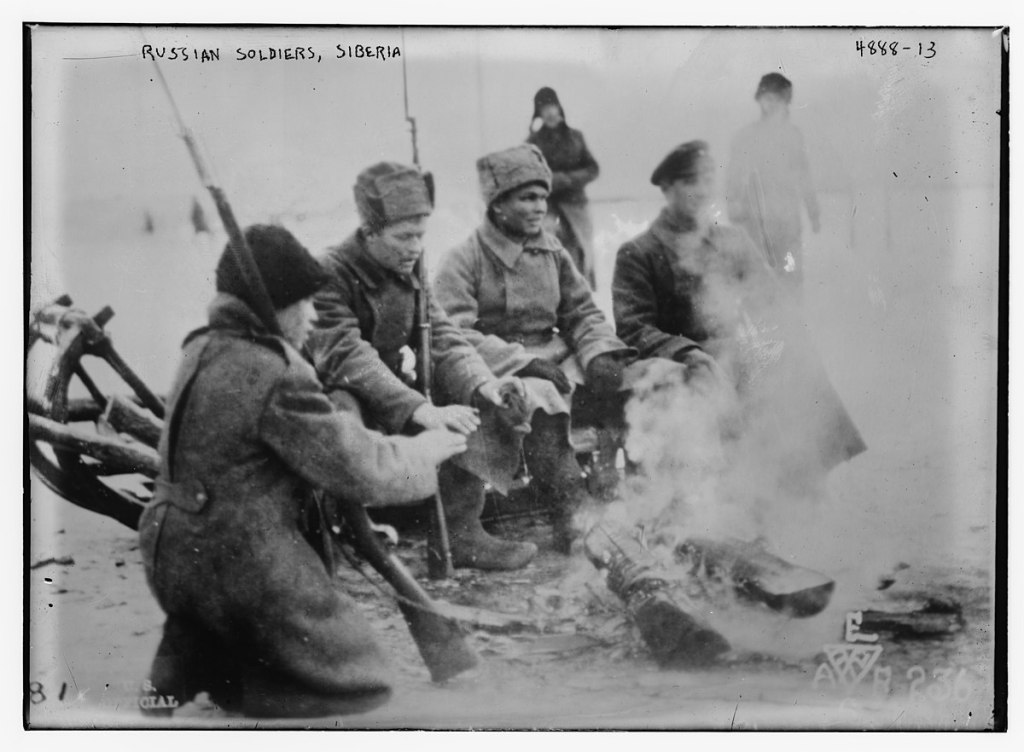
While Komuch had grown weaker, the Provisional Siberian Government had grown stronger. The Omsk government did not rest on popular support. Its political wing consisted of junior government officials, conservative refugees from central Russia and the Siberian Regionalists. Its military wing consisted of officers and Cossacks, assisted by a battalion of British soldiers from the Middlesex Regiment. This military wing had built itself up to a force of 38,000 by September, poaching officers from Komuch instead of helping them in any serious way.
The ‘Novoselov Affair’ of September 1918 manifested something that had been obvious for some time. The Siberian Regionalists wanted to increase their presence in cabinet, and a politician named Novoselov was their chosen candidate. But he was abducted by Cossacks and murdered. It was a clear signal, Smele suggests, that anyone who tried to challenge the officers and Cossacks would be found dead some fine morning by the banks of the Irtysh River.
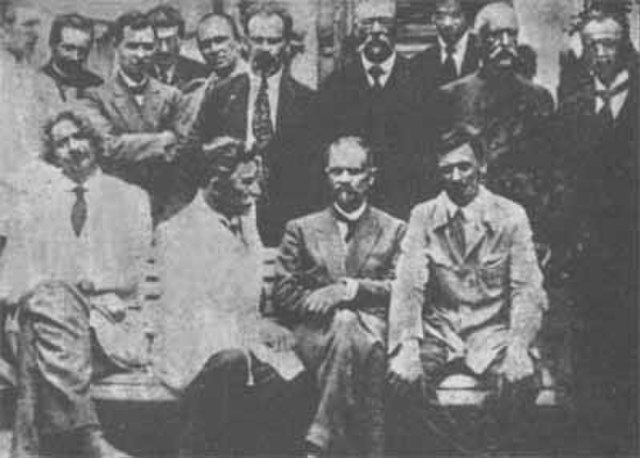
The western Allies looked on with impatience, and demanded Komuch and Omsk get their act together and present a united front. The result was the state conference at Ufa on September 23rd 1918. Ufa is a mountain town half-way between republican Samara and military Omsk. It was as if Stephen King’s two post-apocalyptic tribes held a conference somewhere in Utah. At the Ufa (not Utah) conference a wide array of different counter-revolutionary governments came together. Intellectuals, ‘moderate socialists’ and former terrorists sat down to discuss cooperation with Black-Hundred generals, foreign agents and Cossacks.
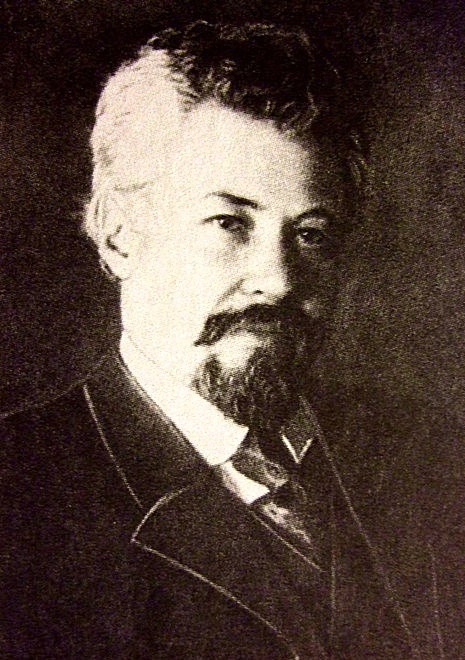
The centre of gravity within the SRs had swung from the Right to the Centre. This Centre was embodied in Viktor Chernov, the leading figure in the party, a stout man with a powerful presence who had served as Minister for Agriculture under Kerensky in 1917. During the few hours’ life span of the Constituent Assembly, the deputies had elected him president of Russia. Unlike most Right SRs, he had actually criticised the policy of coalition with the right during the year 1917, though like the others he had dragged his feet on land reform. In the view of his supporters, the October Revolution had vindicated his criticisms; in the view of the officers, he was largely responsible for ‘the weak and indecisive policy that led to the downfall of Mr Kerensky’s government.’[iii]
Now, along with others, he had arrived in Komuch territory arguing for the Right SRs to take a hard line at the Ufa conference. He was up against the resistance not only of officers and Cossacks but of many in his own party. The historian Radkey writes that many Right SRs had become ‘fervent patriots, partisans of the Entente, and devotees of the cult of the state.’ By 1917 ‘a large segment of the Populist intelligentsia had become [Constitutional Democrats] without admitting it.’[iv] We have already seen how the Left SRs split from the party in disgust at these developments. But the divisions ran deeper still. Even Chernov’s centre was divided into a right centre and a left centre. Chernov himself was prevented from going to Ufa by his own comrades, in case his presence upset the Omsk faction.
The Ufa conference opened with a religious service, then talks began. The numbers of delegates heavily favoured the left, but the various factions all had veto power, tipping the balance back to the right. On the other hand, the need to keep the Czechs happy and to impress the Allies put a certain weight on the scale for the left. Countering this in turn was the real balance of forces between Samara and Omsk, which worsened for Samara every day as the Reds advanced.
One sore point was the Constituent Assembly. The Right SRs insisted that it was the only legitimate state power in Russia, sanctioned by the elections of December 1917. Omsk refused to recognise this body, ‘elected in the days of madness and made up chiefly of the anarchist element.’[v] It appears the Omsk officers believed no election could be considered valid until half the Russian working class was dead or behind barbed wire, and until a knout-wielding Cossack could be placed next to every polling station to glower at the voters. An election held in conditions where the workers were organised and confident could not be considered legitimate in their eyes.
It could be argued that Samara won this round. The Omsk government accepted the legitimacy of the Constituent Assembly in principle. But they would not allow it to assume power until January 1919 at the earliest, and even then it must assemble a quorum of 250 elected deputies. To assemble such a quorum, in the chaos of Russia in 1918, was impossible; it had taken Chernov months to make his way to Samara. So it was a hollow victory for Komuch; the generals’ ‘recognition’ was meaningless.
The outcome of the conference was a merger of Samara, Omsk and other statelets into a government called the Ufa Directorate. Its programme: abolish the Soviets; return lost territories to Russia; resume the war against Germany; and set up a democratic regime.[vi] The Right SRs also changed their land policy to favour the White landlords with whom they were making a deal.[vii]
On paper, the five-member Directorate had a Socialist majority – a concession to the Czechoslovak Legion, who were increasingly war-weary and cynical of the rightward trajectory in the White camp.
But this was only on paper. Just two of the five members of the Directory were SRs, and they were the two most conservative and least authoritative SRs who could be found. The other member of the Directorate with ‘Socialist’ credentials was Tchaikovsky, who was safely in the Arctic Circle at the time, performing socialist fig-leaf duty for another White government.
The Right SR Central Committee had previously voted 6:2 in favour of Chernov’s position that the SRs should fight against ‘the left-wing Red dictatorship [and] an equally despotic Right-wing White dictatorship’ that would probably emerge. ‘In order to fulfil its historic role,’ the party ‘must emerge as a Third Force and fight a determined war for democracy on two fronts.’[viii]
But the same Central Committee flew in the face of this resolution when it voted 4:3 in favour of the Ufa agreement.
Toward the climax of The Stand, that compelling and problematic 1978 horror novel, the democrats from Boulder go to confront the dictator at Las Vegas. They are armed only with their own courage and moral rectitude, along with a mandate from a supernatural higher power.
You can read the book yourself to find out how this plan works out for them. But you only need to read on another few paragraphs to find out how the same method worked out for the SRs when they entered the Ufa Directorate.
If the comparison seems far-fetched, consider these words by the Right SR Avksentiev: ‘We must put our head in the lion’s mouth. Either it will eat us, or it will choke on us.’[ix]
Life in the lion’s mouth was not comfortable. The officers resented what little influence the Right SRs had in the Directorate . In their view, Chernov was whispering in their ears urging them to set up democratic soldiers’ committees inside the White Army. In fact Chernov was not supported by a majority on his Central Committee, let alone by Avksentiev. But he was the bogeyman conjured up by the ‘Siberians’ to add colour to the implausible assertion that the Directorate was dominated by elements who were only two steps away from Bolshevism. ‘The name ‘socialist’ was for them synonymous with ‘traitor.’’[xiii]
Meanwhile the Reds were advancing across Komuch’s territory.
The 6,000 workers of Ivashchenko near Samara rose up against the Whites. But this rising was premature; Komuch still had enough strength to put down the rising, killing 1,500.[x] The officers of the People’s Army went from village to village conscripting the peasants. They used the old tried-and-tested Tsarist recruitment methods: public floggings and violent reprisals for deserters and their families.
But they were not so bold in early October, when the Red Armies closed in on Samara. The White volunteers were too few to defend the town. The Czechs retired without a fight. The peasant conscripts deserted to the Reds. The Cossack Dutov withheld any aid. Nobody would defend Samara, but it gets worse; no-one could be found to organise its evacuation. It was a rout, everyone for himself (Chernov included) crowding onto trains to get away.
An SR leader named Volsky was reportedly found drunk and despairing, smashing glasses and ranting: ‘I drink to dead Samara! Can’t you smell the corpse?’
Czech officers taunted Constituent Assembly deputies: ‘Where’s your Army?’ ‘Government? You the government?’
As Samara fell to the Reds, Komuch lashed out at its Red prisoners, killing 306 of them.
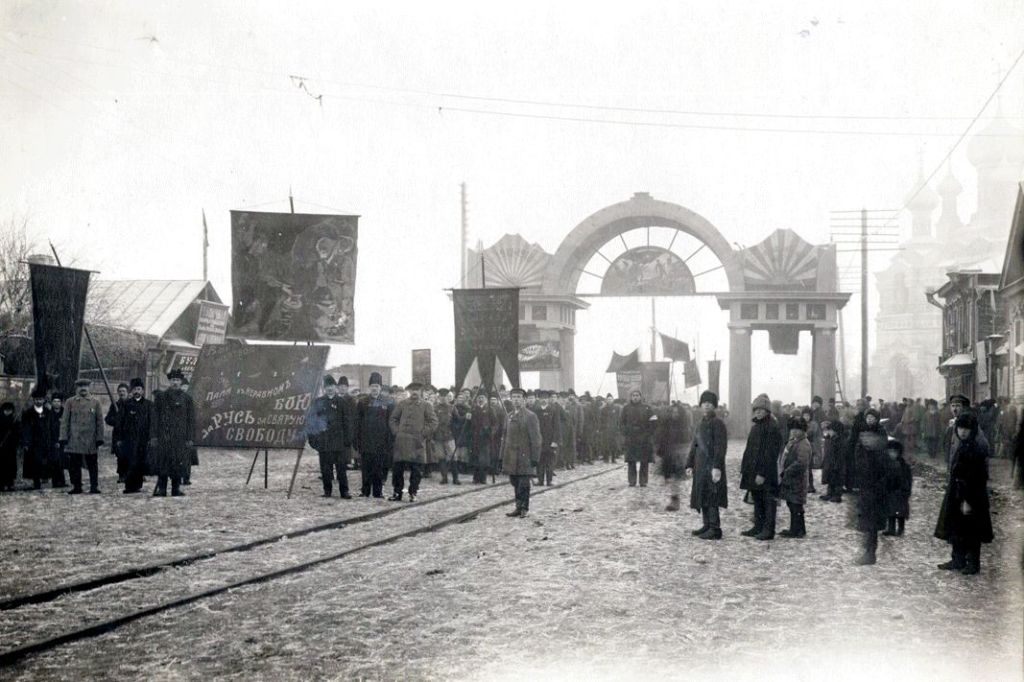
In spite of its name the Ufa Directorate spent most of its existence governing from railway cars, and officially moved to Omsk in early October. The Novoselov Affair had demonstrated that no civilian politician should push their luck in Omsk, where drunken officers still sang ‘God Save the Tsar.’ The Council of Ministers which served under the Directory was dominated by people more associated with Omsk than Samara. In that city the SR politicians felt the same sense of insecurity and isolation that they had felt in Petrograd in 1917, and in the words of Serge, ‘The very same illusions fortify their spirits. The vocation of parliamentary martyr rises in their breasts.’[xi] Think of Avksentiev with his head in the lion’s mouth. I don’t know what they were thinking; that if they did everything by the book, hosts of constitutional angels would come to their aid… Or that they would get their reward in parliamentary heaven.
Why all the hostility between Samara and Omsk? One way of looking at it is that the generals were too stubborn to recognise that the Right SRs could be a useful political fig-leaf for their cause. They could have kept many Right SR leaders on side by making a few superficial concessions. Their association with the Right SRs was used at the time and is still used today to claim democratic credentials they did nothing to deserve. But the other way of looking at it is that the generals were sophisticated enough to realise that the Right SRs were of little use even as fig-leaves. The Right SRs had only a very narrow base in 1918; their most reliable supporters were the Czechoslovak Legion. Their electoral mandate, such a powerful instrument in constitutional politics, might have been expected to translate into something impressive in the language of civil war. But it simply did not translate.
The Bolsheviks were wise not to recognise the authority of the Constituent Assembly – because practically no-one else did.
Two devastating scenes remained to be played out in the tragedy of the Right SRs. Their protagonist was Admiral Alexander Kolchak.
Alexander Kolchak arrived in Omsk in mid-October and was given the Ministry of War and the Marine.
Kolchak was a naval officer from a well-off military family. He explored the Arctic Circle in 1903, travelling by dog-sleigh and spending 42 nights on the open sea. After the disaster of the Russo-Japanese war he approached the Duma (the rigged Tsarist parliament) with plans for naval reform. During World War One he served as an admiral first on the Baltic and then on the Black Sea. During the Revolution, he defied a sailors’ committee by throwing his sword into the sea and declaring the men unworthy of him. ‘Many organisations and newspapers with a nationalist tendency spoke of him as a future dictator.’[xiv]
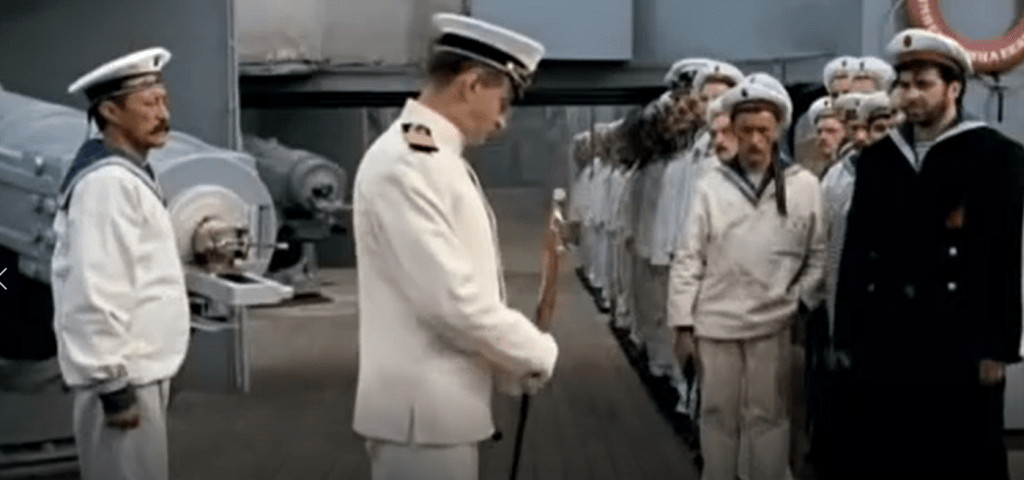
He spent a long time abroad on various wartime plans and projects with the US and other Allies which came to nought. He became an agent of the British state, and was called by London ‘the best Russian for our purposes in the Far East.’[xv] He returned to Russia with the Japanese invasion forces and tried to organise armed detachments in Manchuria and the Far East. Thence he came to Omsk.
A conspiracy coalesced around him, with or just-about-possibly without his knowledge. According to one of his comrades, he ‘had no part in the plot, but was in favour of a military dictatorship.’[xvi]
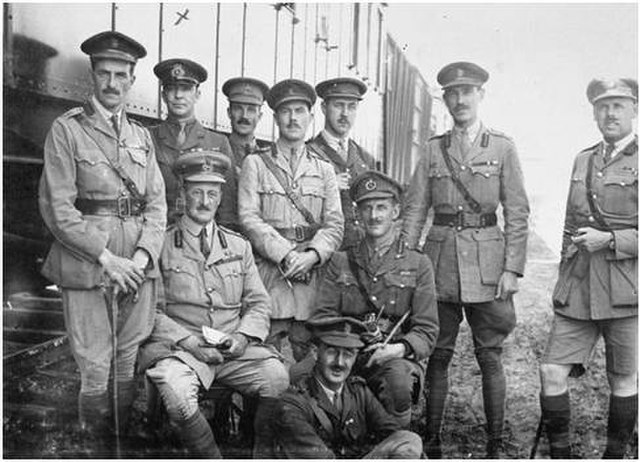
He had just returned from a tour of the front when it all kicked off. On the night of November 17th, a Cossack detachment arrested many Right SRs, including the two members of the Directorate. The Council of Ministers assumed power. There was a battalion of the British Middlesex Regiment stationed in Omsk at the time, and their leader General Knox knew about the coup before the event and did nothing because he hated the Directorate and was a ‘great champion’ of Kolchak.[xvii] The Omsk garrison commander was on board too. It was a clean sweep.
The Czechs were appalled; but the French and the British dissuaded them from taking any action, the French verbally and the British by physically defending the conspirators. So the coup was bloodless. A new power took over, calling itself the Council of the Supreme Ruler.
The ministers offered the vacant position of Supreme Ruler to Kolchak. He accepted the position, it appears, with a heavy heart, refusing it on the first offer.
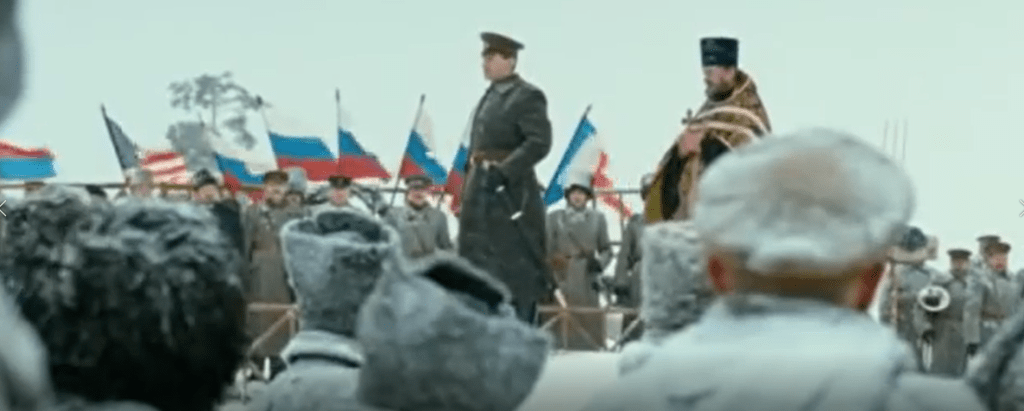
Apologists for the coup preferred not to use the word. It was simply ‘the change;’ one regime ‘gave place’ to another; ‘the directorate ceased to function, and its place was taken by Admiral Kolchak and his ministry,’ who ‘[took] the authority… into their own hands.’ It had been necessary, because the Right SRs had prepared the ground for the Bolsheviks in October 1917, and ‘The same fate now threatened the Directorate.’[xviii]
The Komuch deputies were holding a congress in the mountain town of Yekaterinburg when news arrived of the coup – news, soon followed by armed bands of Siberian Whites who surrounded the venue and arrested them all. The Czechoslovak general Gajda saved them from being murdered by taking them into his custody. There was one last attempt to raise the banner of Komuch with yet another congress, this time in Ufa on December 2nd. It was shut down by Kolchak’s men.
Alone and on the run, Chernov decided to propose a deal to the Reds. They would have the support of the Right SRs if they would only recognise the Constituent Assembly. Still he clung to it. And why wouldn’t he? With it, he was president of Russia. Without it, he was an isolated politician alone on the run.
The Right SRs were legalised – not due to Chernov’s efforts, and needless to say the Constituent Assembly was not recognised. Chernov went to Moscow where he lived in hiding for a year or so before leaving Russia forever.
Back in Siberia, meanwhile, the Regionalist tradition was openly discarded in favour of old-fashioned Russian chauvinism.[xix]
The lion had closed its jaws and, without choking, swallowed the head of the Right SRs. Chernov blamed his own party: ‘our comrades were among those who helped Kolchak’s dictatorship to happen. They pulled down the bulwark of democracy with their own hands.’[xx]
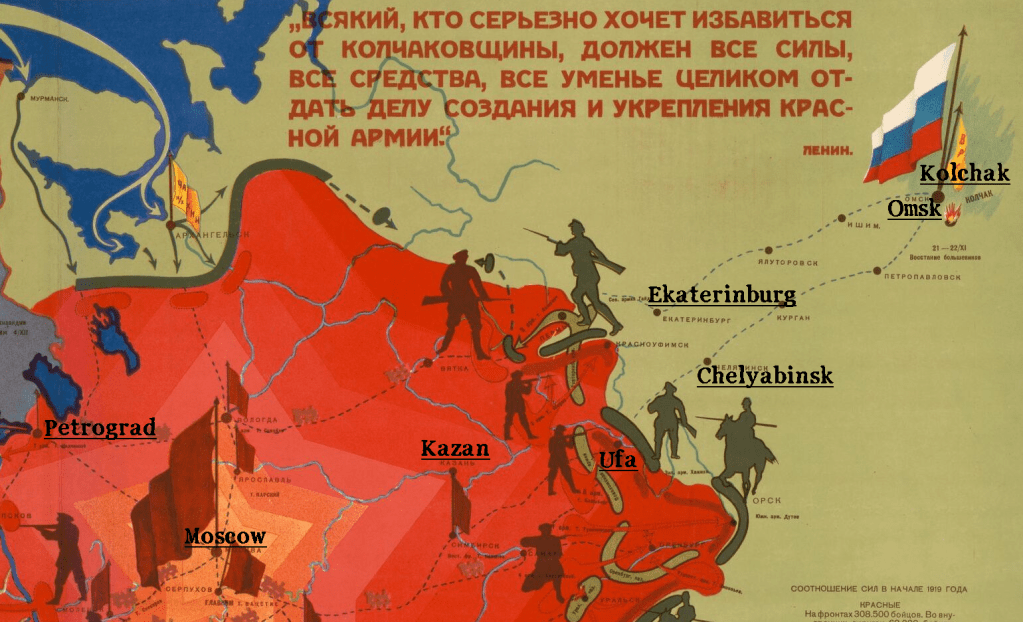
Kolchak had emerged as one of the two paramount leaders of the White cause. In Spring 1919 the Allies would recognise him as superior to Denikin. He was ‘Supreme Ruler’ and not ‘dictator,’ says Smele, ‘so as to maintain the decorum of the civic spirit.’
The note Kolchak struck in his first major address to the Russian people should be familiar to anyone acquainted with Denikin and his ‘I am not a politician, just a simple soldier’ routine:
I am not about to take the road of reaction or of disastrous party politics, but my chief aim will be the creation of a fighting army, victory over the Bolsheviki, and the establishment of justice and order so that the nation may without interference choose for itself the form of government that it desires.[xxi]
Joshua Rossett, an aid official from the United States, gives an insight into the perspective on Kolchak held by many in the Pacific port of Vladivostok. He paints a picture of the intelligentsia, workers, peasants and well-meaning Americans all working hard to deal with humanitarian problems, united under the zemstvo, or local government. Then comes the shock of the Omsk coup. He describes Omsk, and the Ufa Directorate which preceded it, as a coup by food hoarders.
At the last local elections in Vladivostok, 35,000 votes were cast. A commissar came down from Omsk and began striking names off the voter rolls, eventually leaving only 4,000 – whom Rossett says were monarchists and speculators.
Rossett had a more visceral shock when local authorities asked a Russian cavalry officer to provide escort for 600 prisoners – men, women and children, mostly Red, some criminals. They were infected with typhus and had to be moved into quarantine. The officer at first refused, then then ‘with genuine enthusiasm’ offered to kill them all.
Very soon there was resistance to the new regime – not from civic-minded people angry at Kolchak’s disregard for the Constituent Assembly, or from appalled American aid workers, but from peasants. They deserted from the White army, refused to supply food, resisted the return of old landlords and old Tsarist officials. The hand of the Supreme Ruler came down heavy on them with hundreds of townships bombarded or burned and peasants ‘shot in dozens.’[xxii] The Red workers had long since fled from White rule in their home towns and set up guerrilla armies in the endless forests of Siberia. Now they were joined by masses of peasants.
The guerrillas composed songs about the untouched forest that sheltered them: ‘Sombre taiga, danger-ridden, Massed, impenetrable trees! Yet we rebels, safely hidden in thy glades, found rest and ease.’[xxiii]
Soon resistance flared up right at the heart of Kolchak’s power. The last scene in the tragedy of Komuch was the December revolt in Omsk. Communists based in the city led a workers’ uprising against the Supreme Ruler. It was crushed, and in response Kolchak lashed out indiscriminately to his left. Serge says that 900 were killed in the repression. Many of the remaining Right SRs and Mensheviks, who had taken no part in the uprising, were included in the massacre. Mawdsley writes: ‘Prominent SRs, including several Constituent Assembly delegates, were summarily executed.’ Of those who were lucky enough to get away, many went over to the Reds. The less lucky survivors sat huddled in cold dungeons, shoulder-to-shoulder with the Communists as 1918, the year of Komuch, withered and died.
The Russian Civil War is so chaotic and confused that when, from time to time, a pattern emerges in the whirlwind of events, we should pause and examine it. In the White camp over the course of 1918 we can trace the following pattern:
The parallels should be noted well because in them we can see the complex mess of factions tending to resolve itself into united and powerful White armies. Cossack autonomy, Siberian regionalism and Democratic Counter-Revolution – transitional forms, gateway drugs – fall by the wayside and everywhere the White cause takes the form of a far-right military dictatorship.
[i] Mawdsley, Evan. The Russian Civil War, p 145
[ii] Pereira, NGO. ‘The Idea of Siberian Regionalism in late Imperial and Revolutionary Russia.’ Russian History, vol. 20, no. 1/4, Brill, 1993, pp. 163–78, http://www.jstor.org/stable/24657293.
[iii] Bechhofer, CE. ‘What happened in Omsk? Admiral Kolchak’s Credentials.’ Current History, Vol 10, no. 3, pt 1, June 1919, 484-485. Accessed on Jstor.org https://www.jstor.org/stable/45324453?seq=1#metadata_info_tab_contents
[iv] Pereira
[v] I copied and pasted this quote word-for-word from a reliable source – but I can’t remember which one! When I find it again (probably as I comb through my notes in search of something completely different six months from now), I will post a proper citation here.
[vi] Serge, Victor. Year One of the Russian Revolution, p 346
[vii] Smith, SA. Russia in Revolution, p 169
[viii] Trapeznik, Alexander. The Revolutionary Career of Viktor Mikhailovich Chernov (1873-1952). Masters’ thesis, University of Tasmania, 1988, p 283
[ix] Smele, Jonathan. The ‘Russian’ Civil Wars, p 74
[x] Serge, Year One 344
[xi] Serge, Year One, p 377
[xii] Mawdsley, 153
[xiii] M. I. Smirnov. “Admiral Kolchak.” The Slavonic and East European Review, vol. 11, no. 32, Modern Humanities Research Association, 1933, pp. 373–87, http://www.jstor.org/stable/4202781.
[xiv] Smirnov
[xv] Smele, 291
[xvi] Smirnov
[xvii] Smith, p 170
[xviii] Bechhofer
[xix] Pereira
[xx] Trapeznik, p 285
[xxi] Bechhofer
[xxii] Serge, Year One, p 378
[xxiii] Wollenberg, The Red Army, Ch 2 https://www.marxists.org/history/ussr/government/red-army/1937/wollenberg-red-army/ch02.htm
 The 1919 Review