
‘It’s going to change everything,’ people said, and even though they said it more often with dread than with excitement, it appeared they accepted it as inevitable.
When Generative AI became headline news a little over two years ago with the launch in late 2022 of ChatGPT, it was not simply oversold. It was hyped to within an inch of its life. Two years on, it has not revolutionized the way I work or live – thankfully. I’ve read about some ways that it’s useful and a lot of ways that it’s making the world a worse place. But in this post I want to pause and give you a full catalogue of how Generative AI has actually affected my life, as a snapshot of where the AI Revolution stands from the point of view of one individual in April 2025.
Of Bots and Men
At work I use a program called Canva and in early 2023 it drew my attention to its AI image generator, which I had a great time playing around with for a while. ‘Of Mice and Men but Lenny and George are Robots’, ‘World War Two in space’ and ‘alien spaceship in County Westmeath’ were all fun. People look doughy and uncanny, and machines look like they were drawn by someone even less mechanically literate than me, and the whole thing looks like the first three results in a Google Image search have been mashed together indiscriminately. It looks as uncreative and unimaginative as it is. But it’s fun, and I could plausibly claim that it was work; I wasn’t messing around on the job, I was upskilling to rise to the occasion of the AI Revolution. It is fortunate that I had that excuse in my back pocket, because all my colleagues could see ‘battle of Stalingrad with lasers’, ‘atom bomb on Dublin’ and other brainsick adolescent creations whenever they looked at the drafts folder. All in all, I can vouch for Generative AI as a fun toy.
As an aside, in the two years since, it’s possible this tool has gotten worse. In 2023 it gave me photorealistic rusty hobo robots in a Steinbeckian dust bowl scene; today it gave me cute robot mice.
And here’s another time AI impacted my life: I wrote about it here.
Who prompts the prompters?
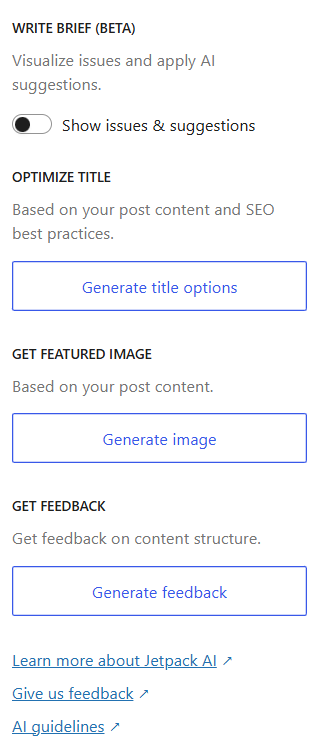
Gen AI is all about writing prompts. But two years on it feels like we humans are the ones being prompted. Tech companies are nagging us to use the AI tools they’ve spent so much money on, usually in contexts where I don’t want or need to. If I tap my phone screen the wrong way, it invites me to use AI tools to help me do internet searches. No thanks, I’m fine. Right now as I write this, over on the margin of this computer screen, WordPress is inviting me to use AI to generate a title, featured image and feedback for this post. The good people at WordPress don’t appear to understand that I’m writing because I enjoy writing.
Ned Beauman, in his 2022 novel Venemous Lumpsucker, was referring to this kind of thing when he wrote about an ‘almost libidinal desire to relinquish autonomy.’
My wife uses AI at work, for actual work. She uses it to write formal emails, and I’ve seen the results, and I think that’s a great use for these AI tools. I understand that there are other things like this, where AI can do boring jobs quickly. So as well as being a fun toy, it help you write the kind of letters there are already templates for online.
Tsunami of Slop
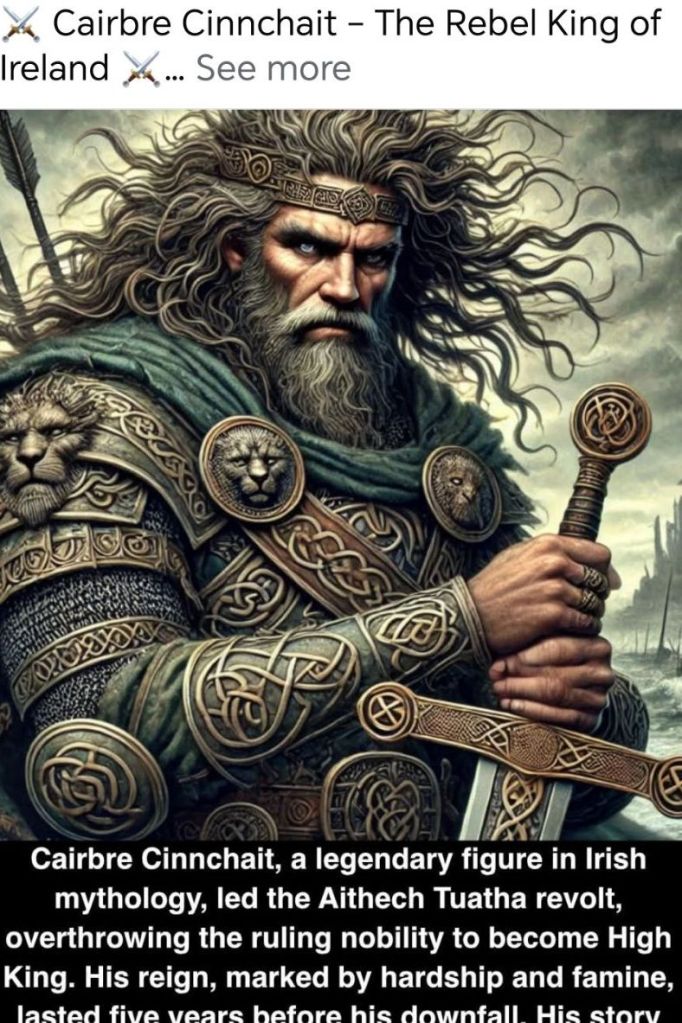
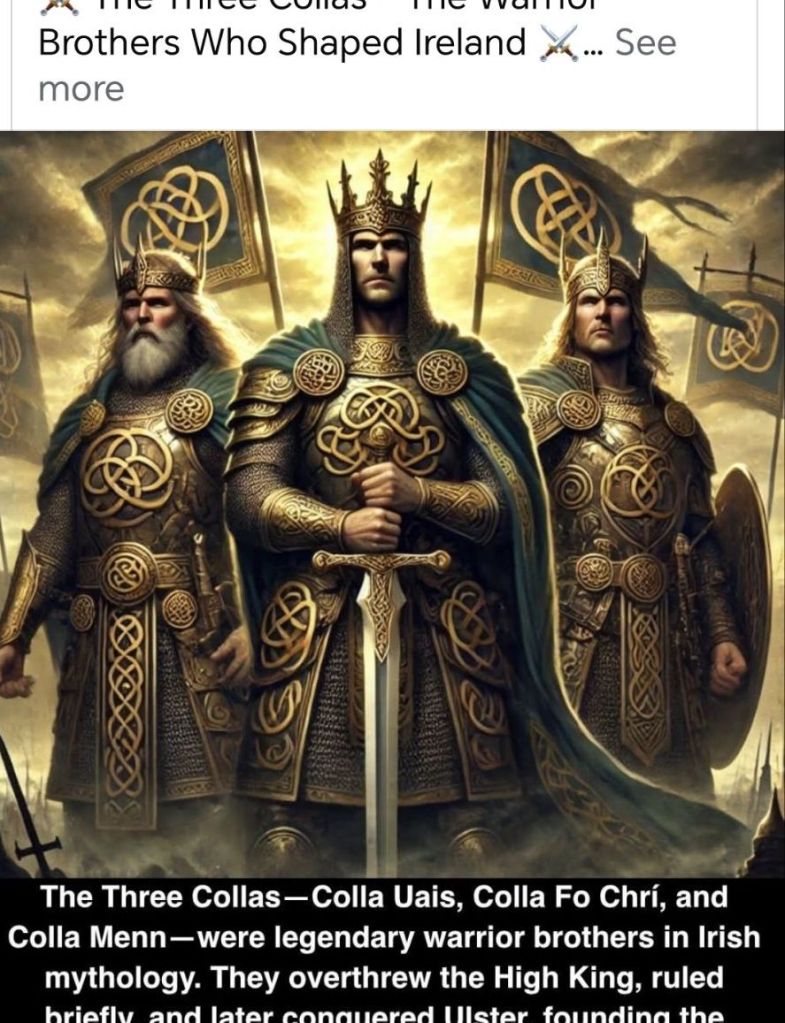
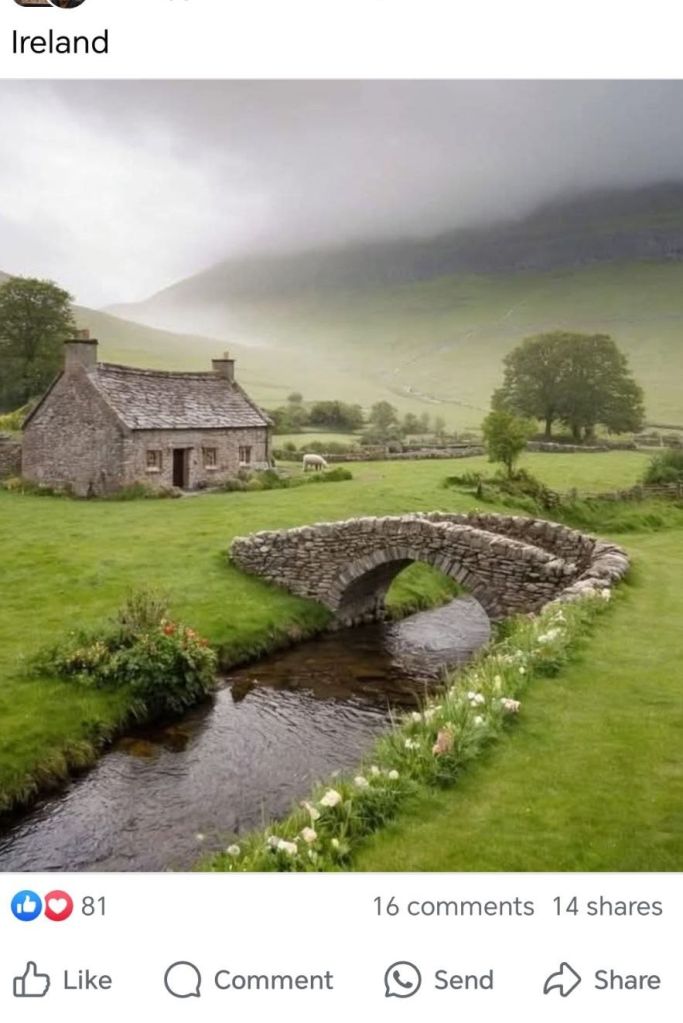
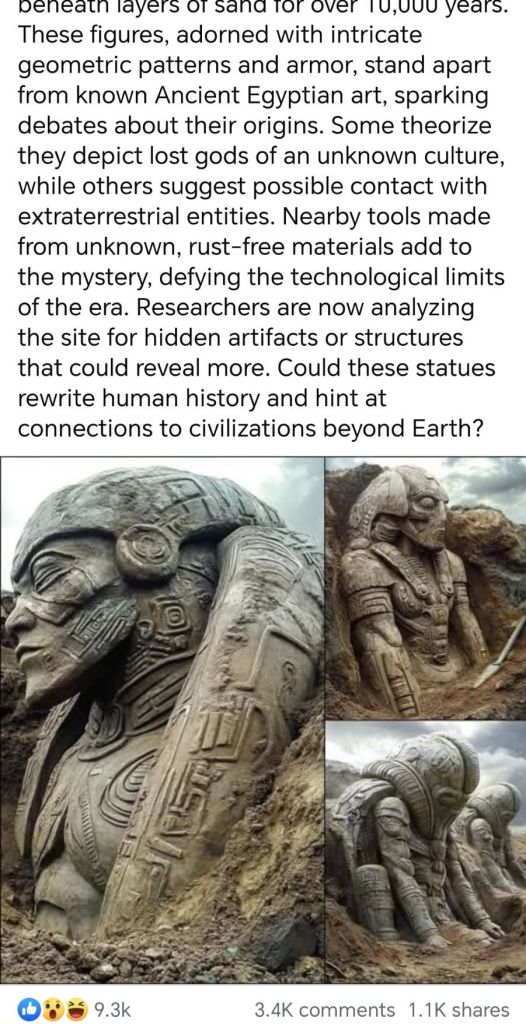
In fairness to Generative AI, it has significantly changed social media, in that it’s polluted my feeds with stupid, tasteless, uncanny or offensive imagery, sometimes accompanied by text riddled with inaccuracies and written in AI’s characteristic style of pseudo-intelligent noncommittal blandness. As far as I can see, two particular online constituencies have seized on Generative AI. The first group is anti-refugee protesters, who make hideous posters for their events and fake photographs to rile people up. The second group is Facebook pages about history and archaeology. They illustrate their chatbot-written posts with, say, a picture purporting to show Brian Boru at the Battle of Clontarf – but Clontarf has been transformed from flat coastal fields to high foggy crags, and Brian Boru looks exactly like the Witcher. Or a Viking ship landing on the Irish coast – in the shadow of a ruined Norman castle that couldn’t have been built, let alone fallen into ruin, for another 400 years.
One image I saw in my news feed claimed to be of Dublin. The buildings and quays looked Dublinesque, but they were all in the wrong place. Now what I think is that the image was designed to provoke me into pointing out in the comments that, say, Grattan Bridge was missing, or that Bono’s hotel is upside-down. I resisted the urge but I could see that thousands of people had already commented. There is probably a whole category of AI post now that’s just correction bait. Again, AI is prompting us now, not the other way around.
It doesn’t make any sense, but it’s a good way to maximise engagement – far more effective than, for example, posting something funny or good or clever.
While all this social media stuff is ugly and tacky, it’s at least interesting, in a Black Mirror kind of way. And image generators can be fun, and it’s nice to have software that can write the less enjoyable type of email. That’s it, really.
Maybe my experience is typical of a sizeable layer of people, maybe not. But if we make a rough balance sheet of the AI Revolution based on my experience, then it definitely wasn’t worth burning all those fossil fuels for.
Tune in next week for my thoughts on the question, ‘Can a machine write a story?’ And to finish off this post, here’s a small sample of the tsunami of slop that’s come down my news feed these last two years.




’til next week, Happy Birthday Solider.
 The 1919 Review
Thanks for this article! I really enjoyed the fabricated Irish kings. I feel vindicated in avoiding social media, but I guess I’m missing out on a few laughs.
I use generative AI at work too. It has its uses, but it’s a moderate productivity booster in certain situations, not a revolution. And I’ve used it in my writing too, to create the occasional image (always with attribution) and to give ideas when I’m drawing a blank on movies to talk about.
The hype is incredible though, and the constant pushing of generative AI tools is annoying. Big tech needs us using them far more so it can justify its massive investments.
LikeLike
‘a moderate productivity booster in certain situations’ is a good way of putting it. Thanks for the additional examples
LikeLiked by 1 person